
Did you know that the earliest bookmarks date back to the 6th century, often made of ornate leather and vellum? While those were reserved for precious manuscripts, today we have a much more colorful and accessible way to mark our place in a story.
If you are an avid colorist or a parent, you likely face a common dilemma: you have a growing stack of beautiful, finished printable coloring sheets, but they often end up sitting unseen in a drawer. Why let that creativity gather dust?
Turning your coloring art into custom bookmarks is the perfect way to “upcycle” your creativity and extend the benefits of mindful coloring for anxiety relief. It is a functional craft that encourages reading and makes for a heartwarming, personalized gift. In this guide, we will walk you through the professional secrets of cutting, laminating, and styling your bookmarks so they look store-bought but feel handmade.
Step 1: Choose the Right Materials
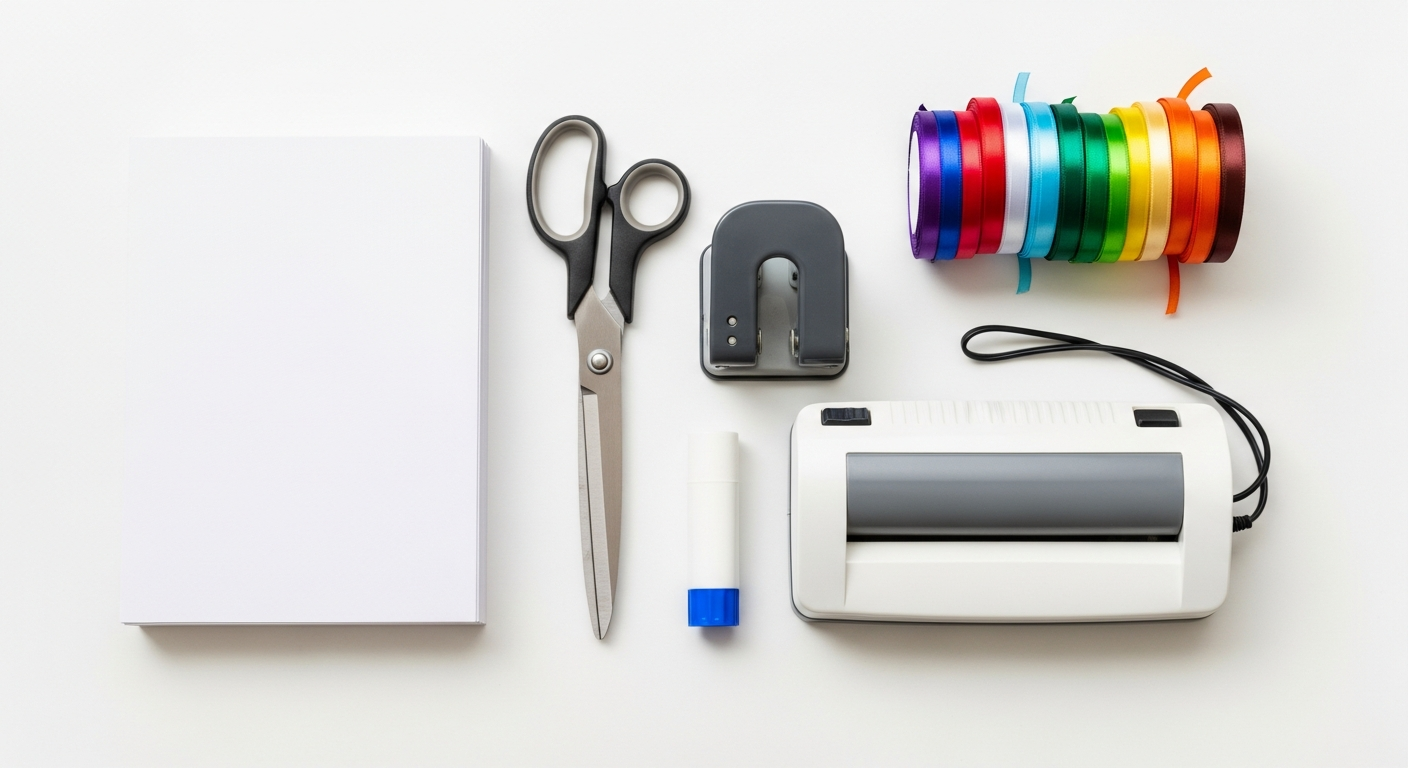
Craft supplies for making bookmarks including cardstock, scissors, hole punch, and a thermal laminator.
Before you even print your next design from YoloColoring.com, you need to consider your foundation: the paper.
The Best Paper for Bookmarks
Standard printer paper (usually 20 lb bond) is too thin for a durable bookmark. It creates a flimsy product that wrinkles easily.
- The Pro Choice: Use Cardstock (ideally 65 lb to 110 lb). This heavier weight handles ink better and provides the necessary rigidity.
- The “Sandwich” Trick: If your printer can’t handle thick cardstock, print on standard paper and glue your finished design onto a piece of colored construction paper or scrapbooking cardstock before cutting.
Coloring Tips for Small Spaces
When coloring for bookmarks, details matter. Since you will be cutting the page into strips, look for coloring pages with repetitive patterns or detailed focal points. Use blending techniques with your colored pencils to create smooth gradients—these look stunning when preserved under glossy laminate.
Step 2: Composition and Cutting
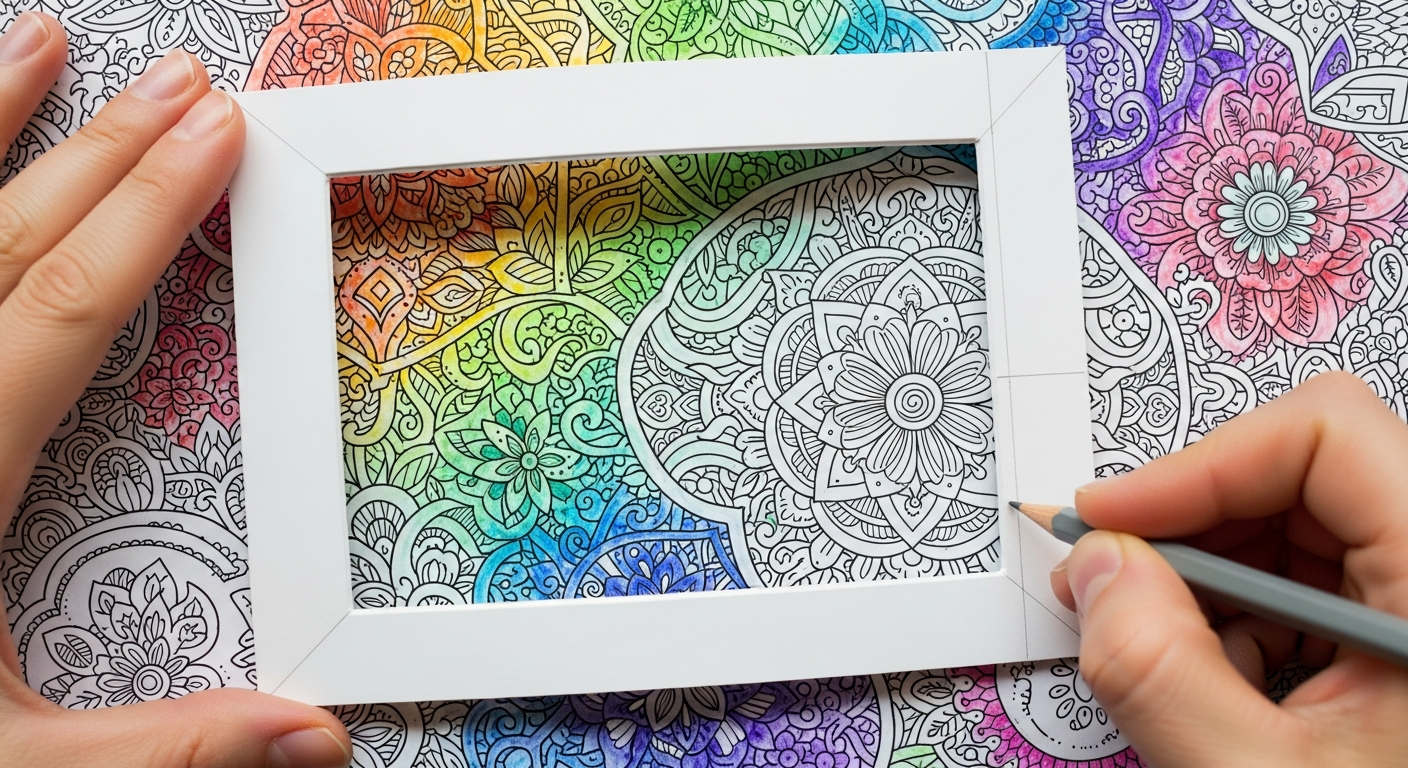
Using a paper viewfinder to select the best part of a coloring page for a bookmark.
A standard coloring page is usually 8.5″ x 11″, but a standard bookmark is typically 2″ x 6″ or 2″ x 7″. This means a single sheet can yield 4 to 5 bookmarks!
The “Viewfinder” Technique
Don’t just start cutting randomly.
- Cut a 2″ x 6″ rectangle out of a scrap piece of paper to create a window or “viewfinder.”
- Slide this window over your colored page to find the most interesting sections. Look for a specific character’s face or a pleasing slice of a mandala.
- Mark your lines lightly with a pencil.
The Cut
For the straightest edges, a paper guillotine or a rotary trimmer is superior to scissors. If you must use scissors, use long-bladed shears and cut slowly to avoid jagged edges.
Step 3: The Preservation Phase – Laminating
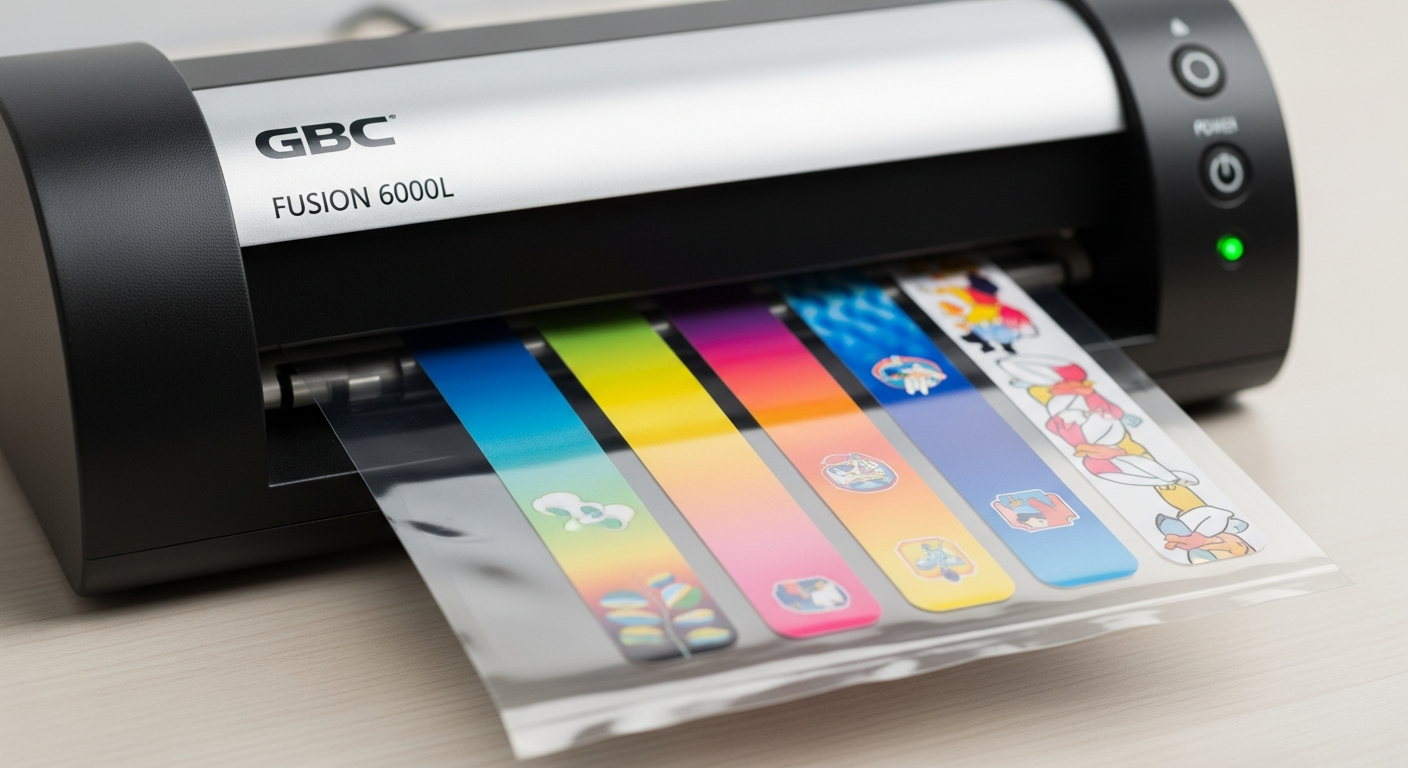
Feeding paper bookmarks into a thermal laminator machine with a clear plastic border.
Laminating is the secret sauce that transforms a piece of paper into a durable tool. However, you must choose the right method based on what you colored with.
The “Wax Warning”: Crayon vs. Heat
If you or your child colored the page with wax crayons or oil pastels, do not use a hot thermal laminator. The heat will melt the wax, blurring your beautiful art and potentially ruining your machine.
Solution: Use Cold Lamination (self-adhesive sheets) or clear packing tape for wax-based art.
The “Seal of Durability” Method
Many beginners make the mistake of laminating the whole sheet and then cutting out the bookmarks. This breaks the plastic seal, allowing moisture to peel the layers apart over time.
Follow this Pro Workflow:
- Cut First: Cut your paper bookmark to size (e.g., 2″ x 6″).
- Laminate: Place the strip inside the laminating pouch, leaving plenty of space around it.
- Cut Again: After laminating, cut it out again, but leave a 1/8th-inch border of clear plastic around the paper edge. This creates a permanent waterproof seal (gasket) that ensures your bookmark lasts for years.
Step 4: Adding Style with Ribbons and Tassels
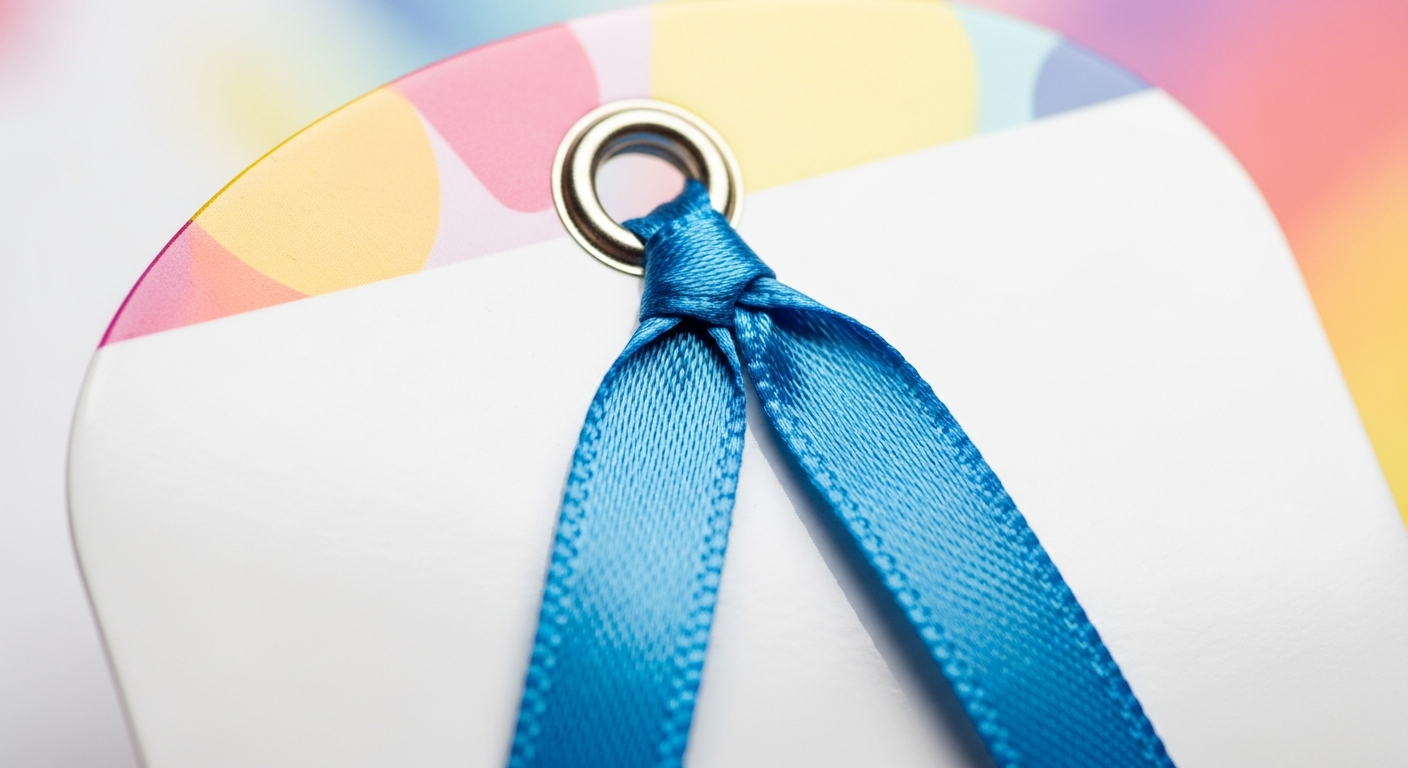
Tying a blue satin ribbon through the hole of a laminated DIY bookmark using a flat knot.
A bookmark isn’t complete without a tail! Adding a ribbon makes your bookmark easier to find in a book and adds a luxurious texture.
Punching the Hole
Use a standard hole punch or a Crop-A-Dile centered about 0.5 inches from the top. If you want extra durability, install a metal eyelet (grommet) to prevent the ribbon from tearing the laminate.
The “Flat Knot” Technique
Big, bulky knots can damage the spine of a book. Instead, try the Flat Knot:
- Feed your ribbon through the hole.
- Tie a simple overhand knot.
- As you tighten, manipulate the ribbon ends so one points Up (North) and one points Down (South). This forces the knot to lay flat against the page.
Why This Activity is Great for Kids (and Adults!)
Beyond the fun, this craft has serious developmental benefits.
- Fine Motor Skills: The acts of careful coloring, precise cutting, and threading ribbons are excellent for strengthening the small muscles in the hands.
- Reading Motivation: Children are often more excited to open a book when they have a special, handmade item to mark their progress.

A custom handmade coloring bookmark placed inside an open hardcover book next to a cup of tea.
Frequently Asked Questions (FAQ)
Q: Can I laminate a page colored with glitter gel pens?
A: Yes! Thermal lamination actually works great with glitter, as the heat helps the plastic conform around the texture. Just ensure the ink is 100% dry before laminating.
Q: I don’t have a laminator. What can I use?
A: You can use clear, wide packing tape. Lay a strip of tape sticky-side up, place your bookmark face down onto it, and then place another strip of tape on the back. Smooth out any air bubbles with a credit card.
Q: What is the best size for a bookmark?
A: The industry standard is 2 inches x 6 inches. However, for larger textbooks or hardcovers, a 2″ x 7″ or 2″ x 8″ bookmark might work better.
Q: How do I stop my ribbon from fraying?
A: If you are using a synthetic ribbon (like satin), you can briefly run the cut end near a flame to melt and seal it. For young crafters, a dab of clear nail polish on the end works perfectly to stop fraying.
Conclusion
Creating custom bookmarks is more than just a craft project; it’s a way to preserve your artistic journey. Whether you are making a simple marker for your paperback or a tasseled masterpiece for a gift, the effort you put into cutting, laminating, and styling makes all the difference.
Ready to get started? Head over to our collection of Free Printable Coloring Pages and pick your next project today! Happy coloring and crafting!

Sophia Williams is the voice of the YoloColoring community. As our Content Editor, she crafts all the helpful articles, guides, and descriptions you read on the site. She is also our Community Manager, dedicated to connecting with users, celebrating their creations, and fostering a warm, supportive environment for all colorists.