
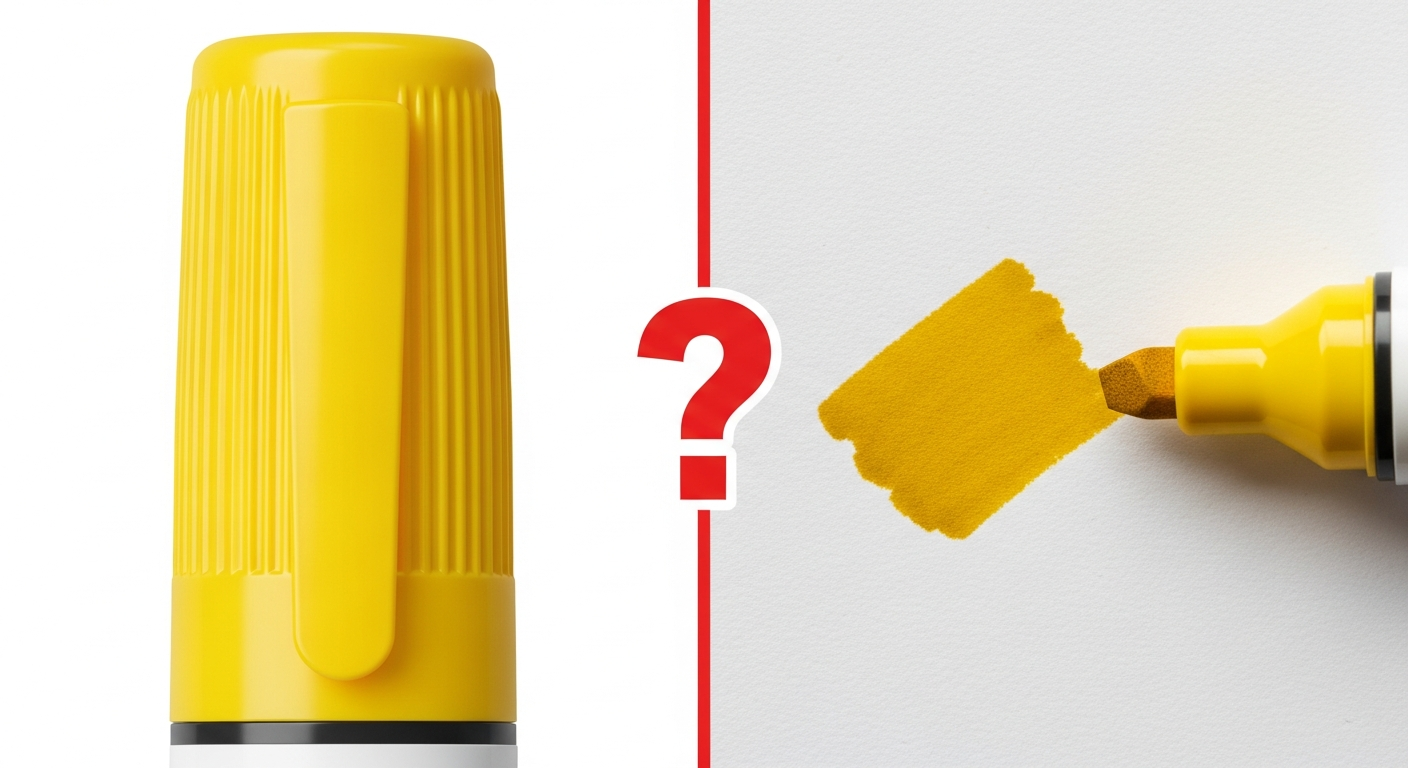
Have you ever picked up a marker because the cap showed a beautiful, sunny yellow, only to ruin your artwork with a muddy, mustard streak? You aren’t alone. Every artist, from professional illustrators to parents enjoying a relaxing Sunday with Free Printable Coloring Pages, has faced the “Cap Lie.”
The truth is, the colored plastic on a pen cap is mass-produced and rarely matches the actual ink inside. This discrepancy can turn a relaxing creative session into a stressful guessing game. But there is a simple, professional solution that is also incredibly satisfying: the DIY Color Swatch Chart.
Creating a swatch chart isn’t just about organization; it’s a gateway to better art. It teaches you how your materials interact with paper, helps you track your collection, and serves as a mindful warm-up before you dive into your main project. Whether you are using alcohol markers, colored pencils, or watercolors, this guide will walk you through creating the ultimate reference tool for your art supplies.
The Hidden Benefits of Swatching
Before we grab our rulers, let’s look at why this step is essential for anyone serious about their coloring pages.
1. Accuracy is Everything
Pigments behave differently depending on the surface they are on. A digital screen or a plastic cap cannot replicate how ink absorbs into paper fibers. By swatching, you reveal the true color, transparency, and texture of the medium.
2. The Mindfulness Factor
At YoloColoring, we believe in the therapeutic power of art. The repetitive nature of creating a swatch chart – drawing grids, filling boxes, and labeling numbers – induces a state of “flow.” This organizational task can significantly reduce anxiety and promote mindfulness, serving as a calming ritual before you begin a complex coloring page.
3. Inventory Management
Have you ever accidentally bought the same “Teal Blue” marker twice? A swatch chart acts as an inventory list. By keeping it up to date, you know exactly what you own and where the gaps in your collection are.
Step 1: Gather Your Materials
To create a chart that stands the test of time, you need the right foundation.
- The Right Paper: This is the golden rule – swatch on the same paper you use for art. If you print coloring pages on standard cardstock, swatch on that cardstock. If you use expensive marker paper for your masterpieces, use it for your chart.
- For Alcohol Markers: Use blending cardstock (like X-Press It) or heavy smooth cardstock to prevent bleeding.
- For Watercolors: Use 300gsm (140lb) watercolor paper to handle the water without buckling.
- Ruler & Waterproof Pen: You need a fine liner (like a Micron pen) that won’t smudge when you color over it.
- The Art Supplies: Gather all your markers, pencils, or paints. If you find any favorites that have stopped working, check our guide on how to revive dried alcohol markers before throwing them away.
- Download a Free Printable Swatch Template (or grab a ruler to draw your own!).
Step 2: Designing Your Grid
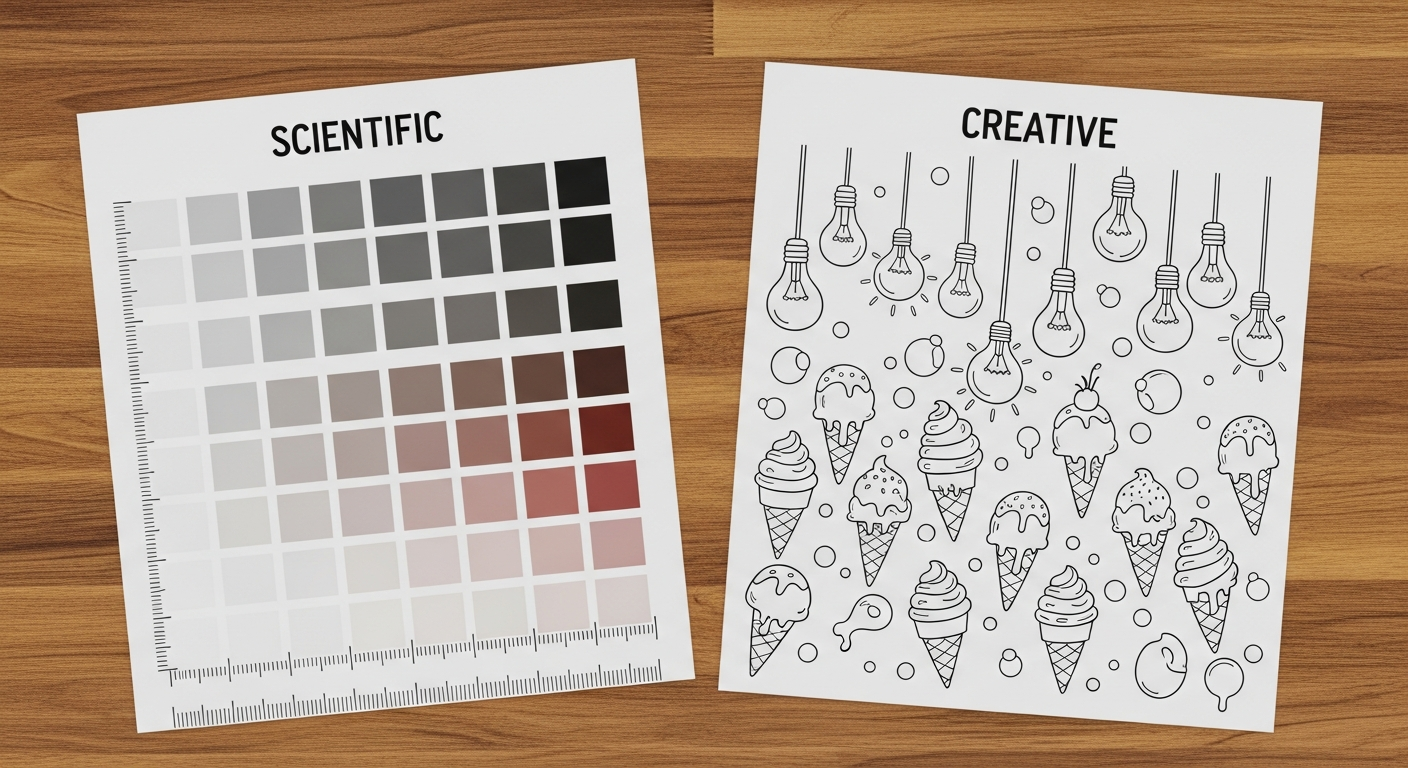
You have two main options here: Scientific or Creative.
- The Scientific Grid: Create a standard table using a ruler. Make boxes that are at least 1-inch square. Leave space underneath each box to write the color name and brand number.
- The Creative Bullet Journal Style: If you love the aesthetic of a bullet journal, draw hanging lightbulbs, ice cream scoops, or paint buckets. Fill these shapes with color for a chart that is as beautiful as it is functional.
Pro Tip: Organize your colors chromatically (Rainbow order: Red, Orange, Yellow…) rather than numerically. This makes it much easier to find the perfect shade for blending later on.
Step 3: The Swatching Technique
Don’t just fill the box with a solid block of color! A professional swatch tells you more than just the hue.
For Alcohol Markers (Ohuhu, Copic)
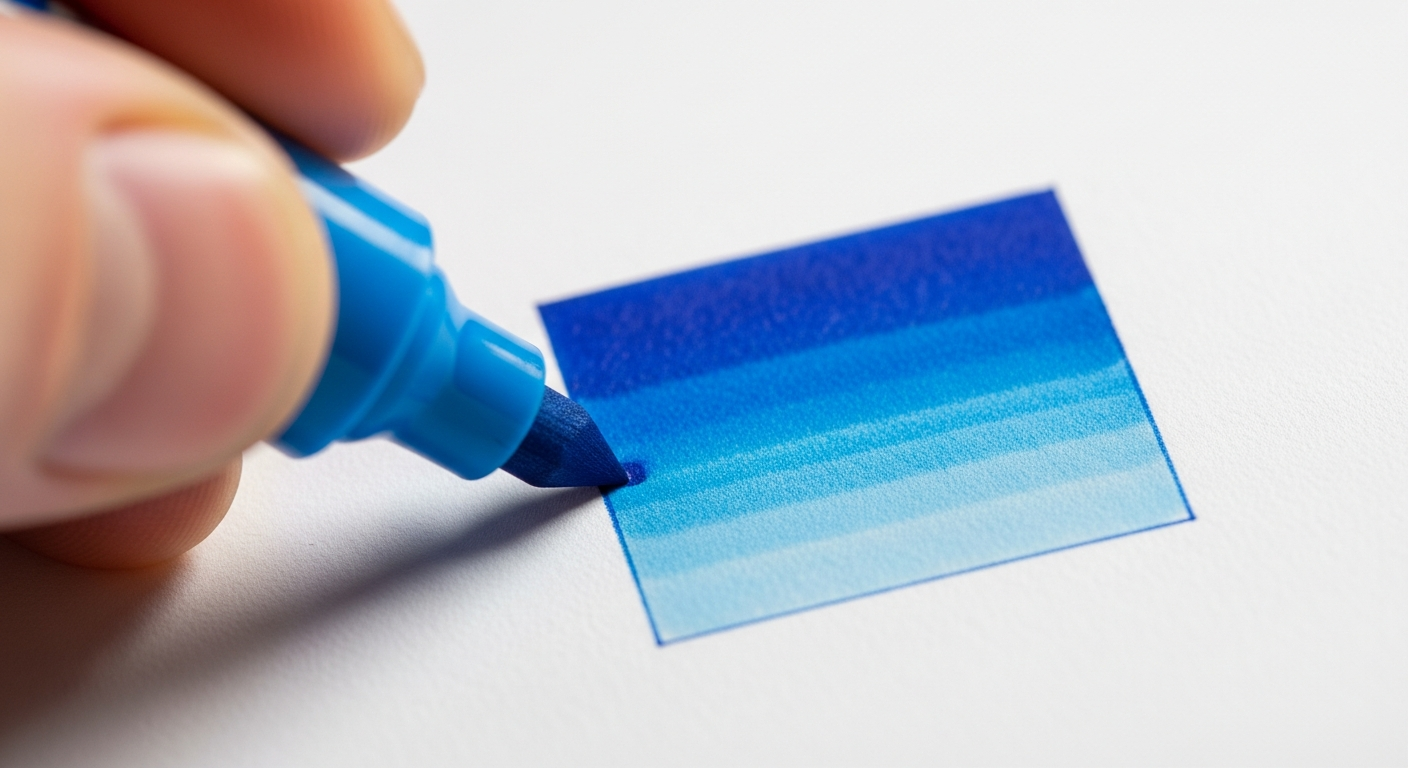
- The Gradient: Color the top of the box with 2-3 layers to show the “mass tone” (the darkest version). Then, use lighter flicking motions toward the bottom to show how the color fades.
- The Bleed Test: Place a scrap piece of paper under your chart. This will show you which markers are “juicy” and likely to bleed through your coloring pages.
For Colored Pencils
- Pressure Zones: Divide your swatch box into three zones.
- Heavy Pressure (Burnished): Press hard to fill the tooth of the paper completely.
- Medium Pressure: Normal coloring stroke.
- Light Pressure: A soft glaze of color.
- Layering Capability: This helps you see how transparent the pencil is and how it will look when you layer it over other colors.
For Watercolors
- Opacity Test: Draw a thick black line through your grid before you paint. If the black line disappears under the paint, the color is opaque. If it shows through clearly, the color is transparent.
- Granulation: Let the paint puddle slightly to see if the pigment separates into a textured, grainy pattern as it dries.
Step 4: Organization and Storage
Now that you have these beautiful charts, where do you put them?
- The Binder Method: Use plastic sheet protectors to store your charts in a 3-ring binder. This protects them from light (which fades color) and spills.
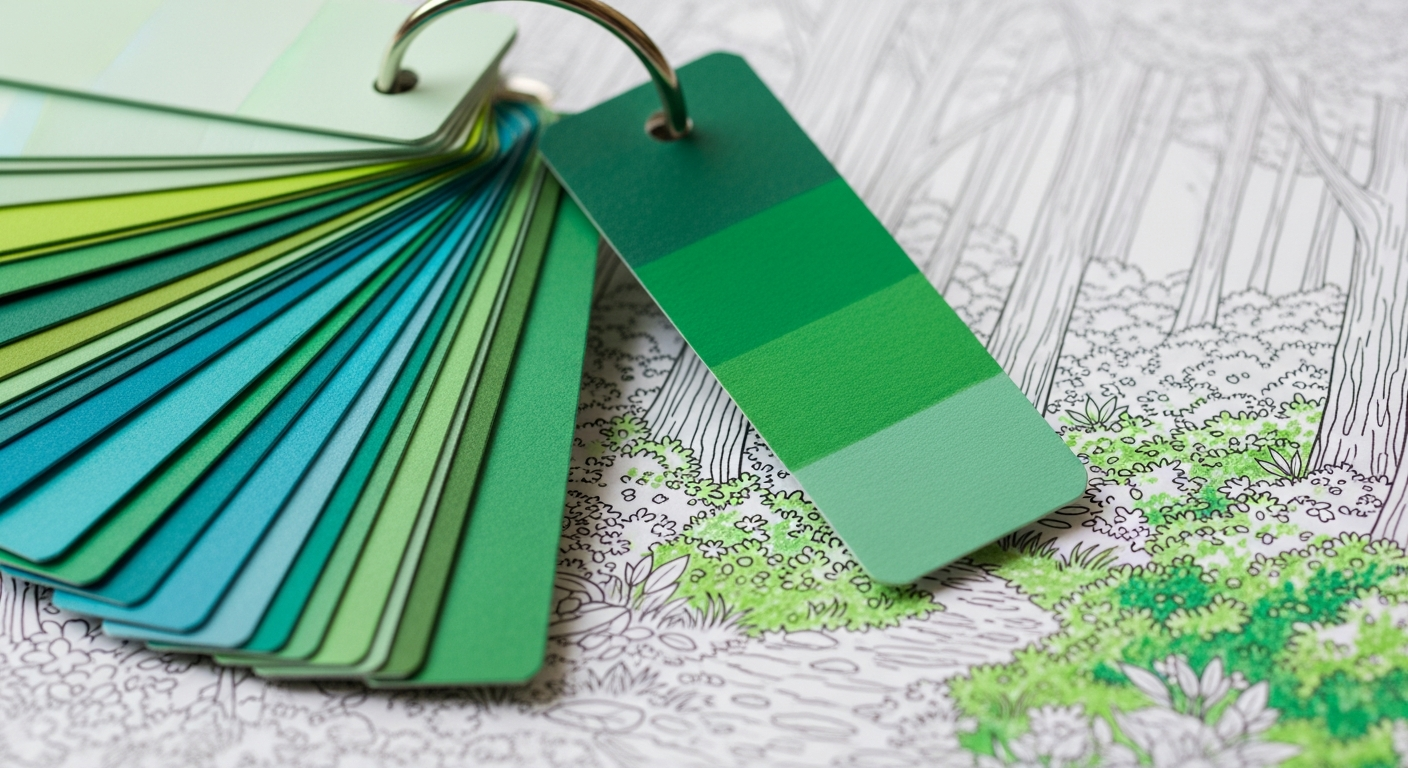
- The “Ring” Method: Cut your swatches into individual cards, punch a hole in the corner, and loop them onto a metal binder ring. This is fantastic because you can hold a specific color card directly against your artwork to see if it matches.
- Digital Backup: Take a photo or scan your charts. Keep them on your phone so you don’t buy duplicates when you’re at the art store!
Troubleshooting: Common Swatching Mistakes
Even pros make mistakes. Here is how to avoid the most common pitfalls:
- Ignoring Lighting: Always swatch in natural daylight or under a “Daylight” (5000K) lamp. Warm indoor bulbs can make yellows look orange and blues look dull.
- Touching Wet Ink: Alcohol markers and watercolors shift color as they dry. Wait at least 15 minutes before judging the final color or writing the label.
- Using the Wrong Pen for Lines: If you draw your grid with a standard ballpoint pen, the ink from alcohol markers will dissolve it, smearing black ink all over your pretty yellow swatch. Always use archival, waterproof ink.
Ready to Color?
Creating a DIY color swatch chart is a rite of passage for every artist. It transforms a messy pile of supplies into a powerful, organized tool kit. With your new charts in hand, you’ll approach your next coloring page with confidence, knowing exactly which Green works for the leaves and which Blue creates the perfect sky.
So, grab your ruler, turn on some relaxing music, and start swatching. Your future self (and your artwork) will thank you!
Frequently Asked Questions (FAQ)
1. What is the best paper for alcohol marker swatches?
The best paper is a smooth, high-quality cardstock specifically designed for markers, such as X-Press It Blending Card. It prevents the ink from bleeding too much and keeps the colors vibrant. If you print coloring pages on standard cardstock, swatch on that instead for accuracy.
2. Should I organize my chart by number or color?
Organizing by color family (Rainbow order) is usually better for artists. It allows you to see all your yellows, greens, and blues together, making it easier to pick shades for blending. You can create a separate numerical list for inventory purposes if needed.
3. How do I fix a mistake on my swatch chart?
If you color outside the lines or label a box wrong, don’t panic! You can cut a small square of fresh paper, glue it over the mistake, and swatch again. Or, use a white gel pen or opaque white paint to cover the error.
4. Why do my markers look different on the chart than on the cap?
Marker caps are made of colored plastic, while the ink is a chemical pigment. It is almost impossible to match them perfectly during manufacturing. Additionally, the ink interacts with the paper’s chemistry, changing its appearance once it dries.
5. Can I download a swatch template?
Yes! You can find many free printable swatch grids online, or create your own custom layout using tools like Canva. Check our Free Printables section for exclusive YoloColoring templates.

Sophia Williams is the voice of the YoloColoring community. As our Content Editor, she crafts all the helpful articles, guides, and descriptions you read on the site. She is also our Community Manager, dedicated to connecting with users, celebrating their creations, and fostering a warm, supportive environment for all colorists.