
Ever felt your coloring pages look a bit flat or streaky? Blending colored pencils is the secret to smooth, vibrant colors. With the right techniques, you can make any coloring page look like a work of art. In this guide, we’ll walk through three essential blending techniques – layering, burnishing, and using a solvent – that even beginners can master.
Why learn to blend? Not only will your drawings pop with rich shades and soft transitions, but the process is also fun and relaxing. For kids, learning these skills can boost fine motor skills and hand-eye coordination while they color. The best part is you don’t need fancy tools to get started – just some pencils, paper, and a little patience.
You can practice these tips using our free printable coloring pages. Grab a few of your favorite line art pages from YoloColoring and follow along step by step. Let’s dive in and turn simple coloring sheets into stunning, professional-looking art!
Materials Needed
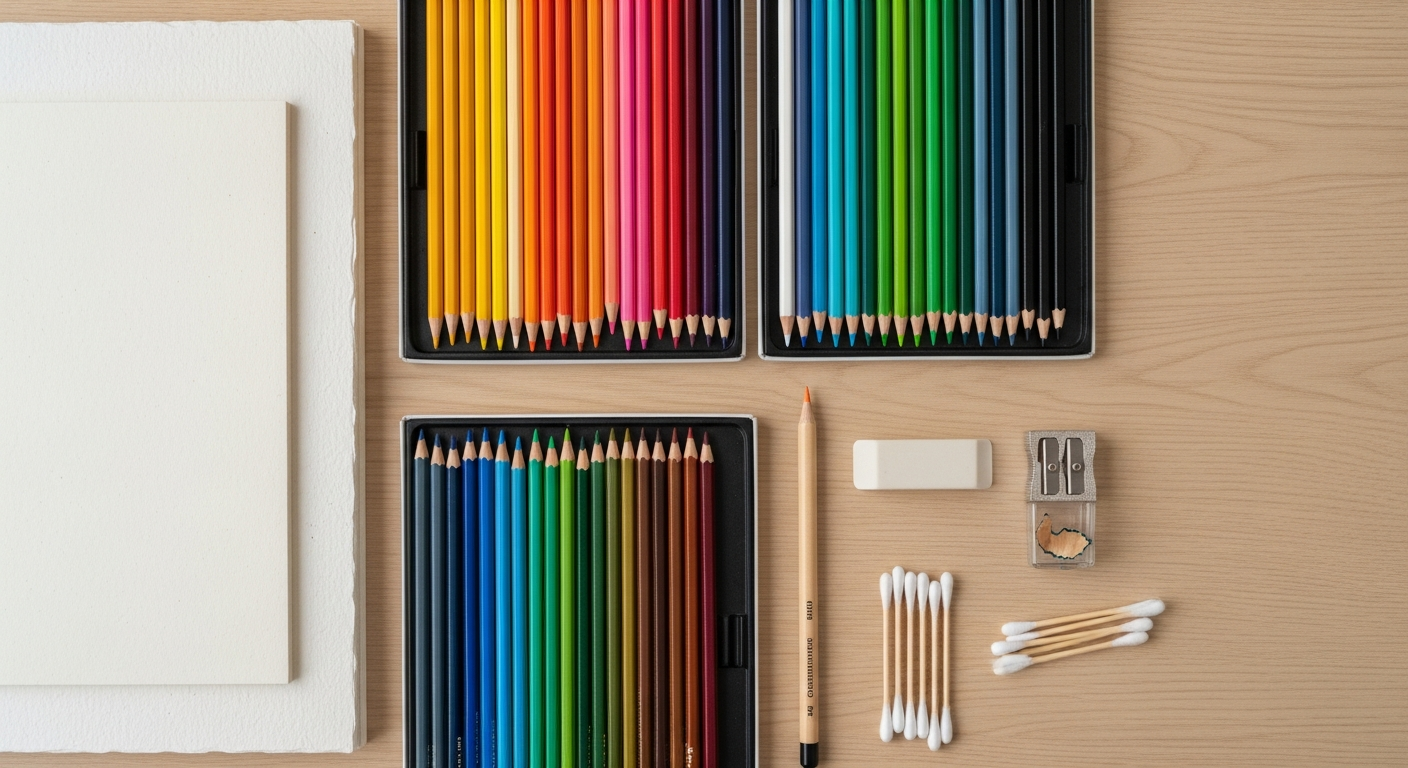
Art supplies needed for blending colored pencils like a pro
Before we start blending like pros, gather the following supplies:
- Quality Paper or Coloring Pages: Thick paper or a printed coloring sheet works best. Heavier paper can handle multiple layers and a bit of moisture without curling.
- Colored Pencils: Any colored pencil set will do. Wax-based pencils (like Prismacolor) are great for blending. Include a white pencil or a colorless blender pencil if you have one.
- Blending Tools (Optional): You can blend with just pencils alone, but tools help. A colorless blender pencil, blending stumps, or even a tissue or cotton swab can assist in smoothing out colors.
- Solvent (Optional): Use with adult supervision. A few drops of rubbing alcohol or baby oil can magically blend pencil strokes. Have cotton swabs or a small paintbrush handy to apply it.
- Sharpener and Eraser: Sharp pencils are key to fine blending and detail work. An eraser helps clean up mistakes or add highlights by lifting color.
With your materials ready, it’s time to learn the techniques. Make sure your pencils are sharpened and find a comfortable spot to color. Now, let’s get blending!
Step 1: Start with Light Layering
The first technique to master is layering. Layering means coloring in multiple light layers instead of one heavy coat. This is the foundation of smooth blending:
- Begin with a light touch: Choose two or three colors you want to blend (for example, blue and green). Lightly shade with the first color using small, soft strokes. Do not press hard – gentle pressure lays down a pale layer of pigment. It’s okay if you see paper showing through at first.
- Build up gradually: Next, lightly color over the area with your second color, overlapping into the first. The colors will start to mix visually. Continue alternating layers, going back to your first color and so on. Each pass should be done with a gentle, even stroke.
- Use small circles: For an even blend, try coloring in tiny circular motions rather than straight lines. This avoids harsh streaks and helps fill in gaps. Overlap your circles so the colors naturally merge.
- Keep pencils sharp: A sharp pencil allows you to control details and get pigment into the paper’s texture. If you notice scratchy lines, sharpen your pencil and use lighter pressure.
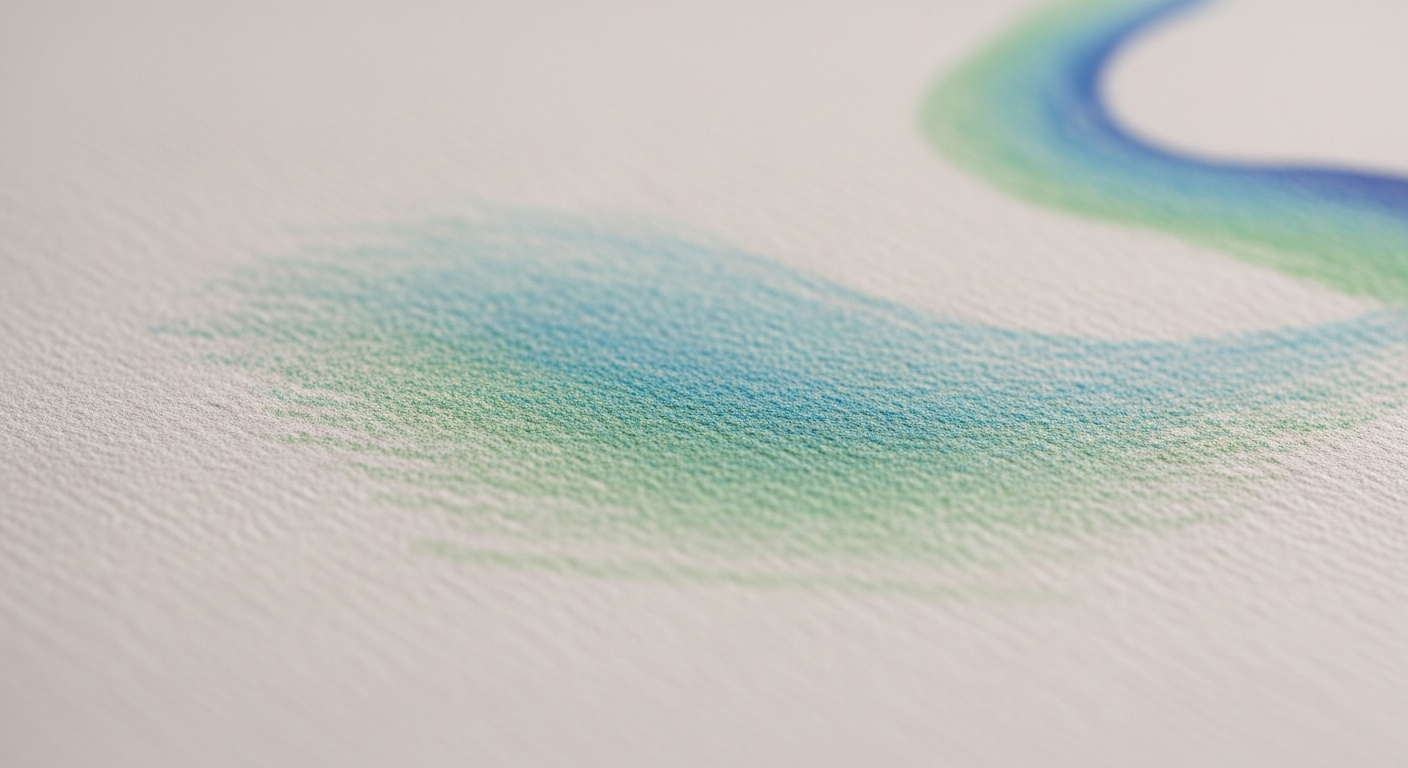
Close-up of layering colored pencils with light pressure
Layering takes a little patience, but you’ll see the colors transition smoothly. For example, blue layered into yellow will create a soft green gradient without any single harsh line. Practice layering on simple areas first. You might print out an easy coloring page with large shapes to get the hang of shading from light to dark. Remember, multiple light coats of color will always blend better than a single thick, heavy scribble.
Step 2: Burnishing for a Smooth Finish
Once you’ve built up layers of color, it’s time to burnish. Burnishing is a fancy term for using heavy pressure to blend and polish the layers together. Think of it as “color polishing” – it makes the colors look smooth and rich, almost like an oil painting.
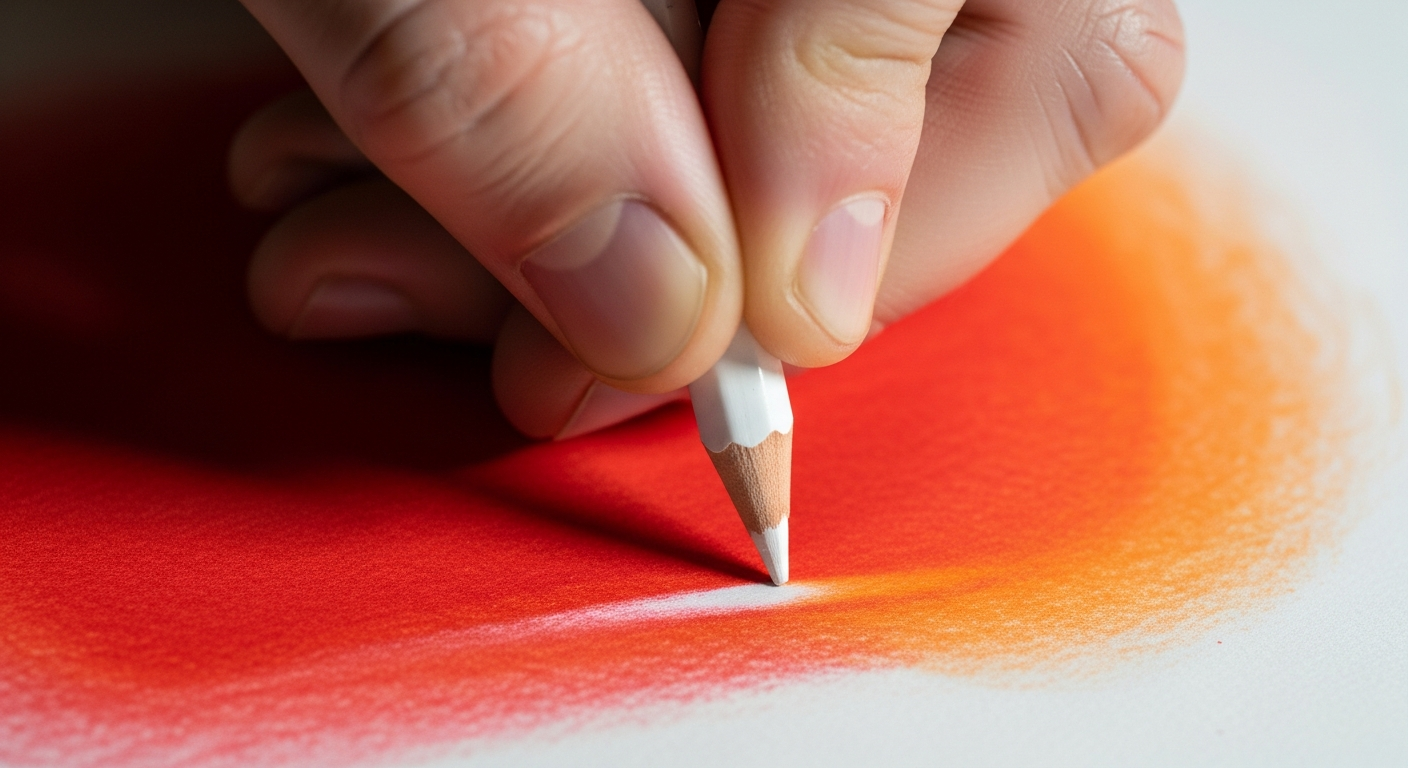
Burnishing with a white pencil to blend colored layers smoothly
Here’s how to burnish like a pro:
- Layer first, burnish last: Burnishing works best when you already have several layers of pigment on the paper. So layer your colors (as in Step 1) until the area is nearly finished. If the section still has white specks of paper showing, that’s a good time to burnish.
- Press down hard (with care): Take a lighter pencil (often a white pencil or a colorless blender pencil works great) and color over the area with firm pressure. You want to press down enough to blend the layers below. The friction and weight will “melt” the colors together, filling in the paper’s texture completely. Use a steady back-and-forth or circular motion.
- Use a neutral or light color: If you use a specific color to burnish (say, a light gray over a blue area), remember it can change the hue slightly. Many artists use a white pencil for burnishing because it smooths everything without adding much visible color (though it might lighten the overall tone a bit). A dedicated colorless blender pencil has no pigment at all and is designed for this purpose.
- Work in sections: Burnish one small section at a time, especially if you’re pressing hard. This gives you more control and prevents you from tiring your hand too quickly. After burnishing, that area will be harder to add more color onto, so make sure you’re happy with the color balance before you burnish everything.
When you burnish, you’ll notice the magic: all those gentle layers you drew suddenly look much more solid and vibrant. The colors merge and the surface gets a nice sheen. It’s very satisfying! Just be careful – burnishing flattens the tooth of the paper, which means adding extra layers afterward is difficult. In other words, save burnishing for the final touch to lock in that smooth look.
Step 3: Use Solvent for Ultra-Smooth Blending
For the ultimate smooth, painted effect, you can use a solvent to blend colored pencils. This is an optional but exciting technique. Solvents (like rubbing alcohol or baby oil) break down the binder in the pencil pigment (the wax or oil that holds the color together), allowing the color to spread and blend like watercolor paint.
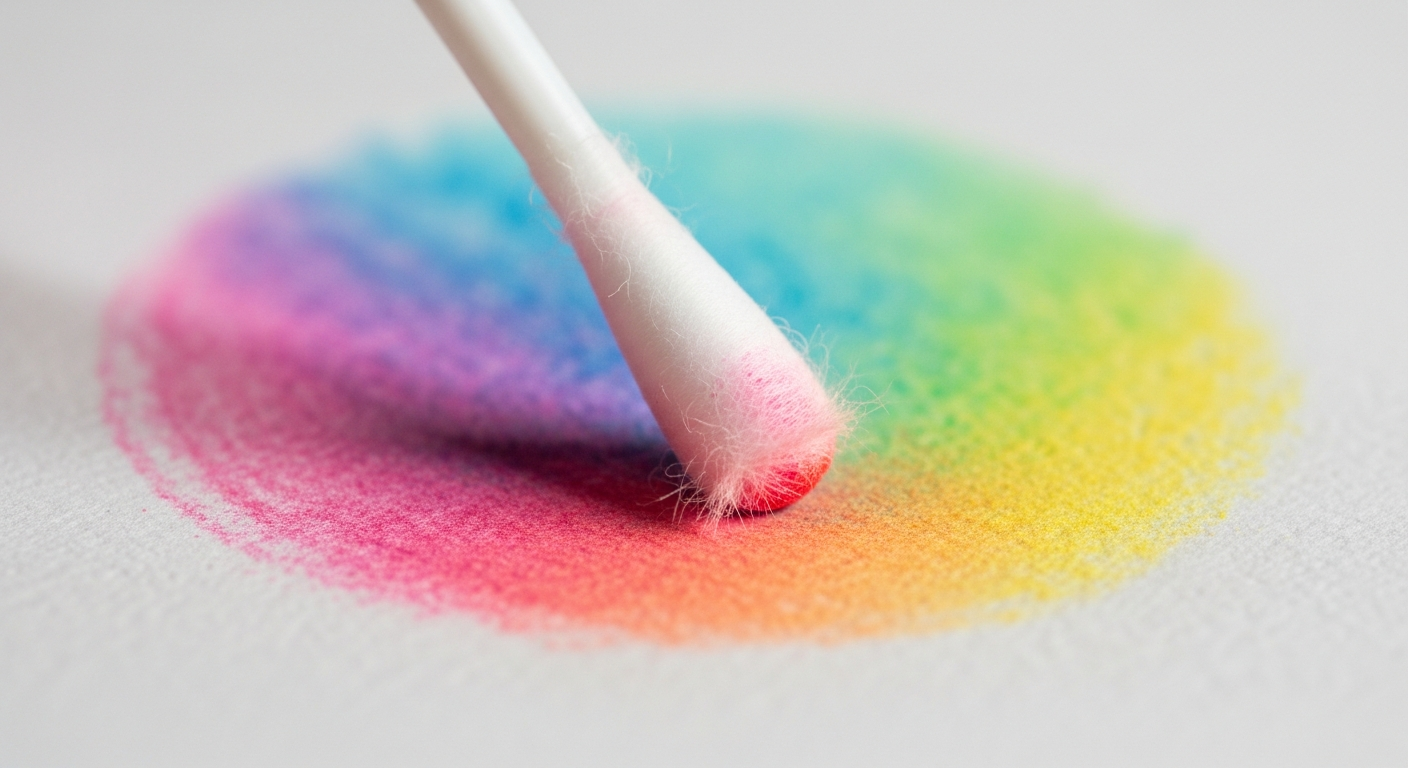
Blending colored pencils with solvent using cotton swab
Follow these steps for solvent blending:
- Color normally first: Just like burnishing, solvent works best if you’ve already colored an area with layered pencil. Fill in the area with layers of color – you don’t need to burnish, just regular coloring. The more pigment on the paper, the better the solvent can spread it.
- Dip a blending tool: Use a cotton swab, cotton ball, or a small paintbrush. Dip it lightly into your solvent of choice. Rubbing alcohol (isopropyl alcohol) is popular – it’s cheap, dries fast, and blends well. You can also use a few drops of baby oil on a cotton swab for a similar effect (baby oil takes longer to dry and can make the paper slightly oily, so use sparingly).
- Blend in gentle circles: Rub the damp cotton swab over the colored area in a circular motion. You’ll see the pencil strokes magically dissolve and the colors spread together smoothly. It’s very much like turning your pencil work into a painting! Don’t soak the paper; a little solvent goes a long way. If the colors aren’t blending as much as you like, pick up a bit more solvent and go over it again.
- Let it dry: Solvent will make the paper wet. Allow the area to dry completely before touching it or adding more layers on top. Alcohol will dry in a minute or two; baby oil may need a bit longer. Avoid over-scrubbing while it’s wet, as paper is more fragile then.
- Work in a ventilated area: If you use stronger art solvents or a lot of rubbing alcohol, be sure you have fresh air. And keep solvents away from kids unless supervised (opt for child-safe options like odorless mineral spirits or just use minimal rubbing alcohol under supervision).
The result of solvent blending is a very smooth, almost airbrushed look. It’s fantastic for large backgrounds or areas where you want no pencil lines at all. For example, if you’re coloring a sky or a smooth gradient on a printable coloring sheet, solvent can help you get an even blend without streaks. Just be mindful that not all coloring book pages are thick – if you printed on regular printer paper, use less liquid to avoid the paper curling or warping (we’ll cover fixes for that in the Pro Tips section below).
By now, we’ve covered three blending methods: layering (light, repeated coloring), burnishing (heavy pressure blending), and solvent blending (using a liquid to merge colors). You can use these techniques separately or even combine them. For instance, you might layer colors, then use a tiny bit of solvent in one spot, and burnish another spot for highlights. Feel free to experiment and find what works best for your artwork!
Pro Tips and Troubleshooting
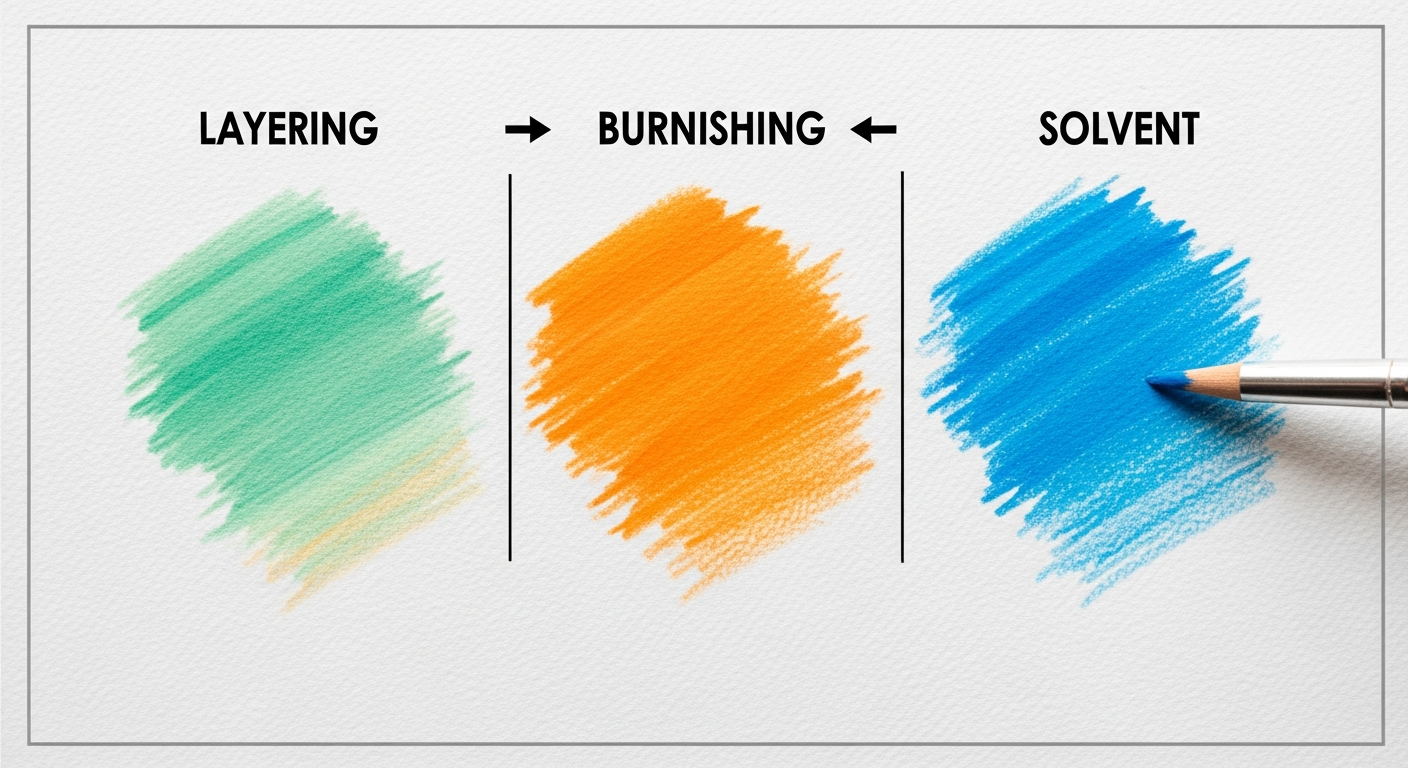
Comparison of three blending techniques: layering, burnishing, and solvent
Even pros have little tricks to overcome common issues while blending. Here are some insider tips to help you out:
- Prevent Paper Curling: If your paper curls or buckles when using solvent, don’t worry. First, use thicker paper or cardstock for coloring if you plan to blend with liquids – it can handle moisture better. Also, use only a small amount of solvent (your paper shouldn’t be soaked, just slightly damp). You can tape the edges of your paper down before you start coloring; this helps it stay flat as it dries. If it does warp, press the dry artwork under some heavy books overnight to flatten it back out.
- Fix Streaky or Uneven Color: Are you seeing streaks or patches? The fix is in your technique. Use sharp pencils and color with tiny overlapping circles to avoid those stripey lines from back-and-forth coloring. If an area looks uneven, layer another light coat of color over it (try a bit of the lighter color or even a neutral like cream). Patience is key – add more layers gently until the color smooths out. Remember, lots of light layers blend better than one heavy layer.
- Use a White Pencil for Blending: Don’t have a fancy blender pencil? A simple white colored pencil can do the trick. After layering your colors, take a white pencil and firmly color over the area (this is a form of burnishing). The white pencil’s wax will mix with the colors and smooth them out nicely. It might lighten the area a tiny bit, but you can always add a bit more of your original colors on top carefully. This technique is great for softening bright color transitions or achieving a pastel look. (Insider tip: a white pencil is excellent for blending skin tones or light colors where you don’t want to introduce a new hue.)
With these tips, you’ll overcome most blending challenges. Always remember that every artist develops their own style – there’s no single “right” way to blend. If something isn’t working, take a short break, then try a different tool or method. Sometimes using a tissue to rub the colors can work, or layering a completely new color on top yields a cool effect. Stay curious and don’t be afraid to experiment!
Conclusion

Child building fine motor skills while coloring with pencils
Blending colored pencils brings your coloring to the next level. With some practice in layering, burnishing, and using solvents, you’ll achieve those dreamy gradients and rich shades that make your artwork stand out. The key is practice and patience – the more you play with these techniques, the more comfortable you’ll become.
Why not start now? Grab your pencils and try these tips on one of our printable coloring sheets today. Pick a coloring page you love, apply these blending methods, and watch the transformation. Whether you’re a kid building fine motor skills or an adult unwinding with art, blending will add so much depth and fun to your coloring. Enjoy the process, and happy coloring!
FAQs
Q: What is the easiest way to blend colored pencils for beginners?
A: The simplest method is layering with light pressure. Make sure your pencil is sharp and use very gentle strokes to lay down color, then layer another color on top. Gradually build up 3-4 light layers. This slow build creates a smooth blend between colors. You can also gently rub the area with a tissue in small circles to lightly blend without any special tools.
Q: What does “burnishing” mean in coloring with pencils?
A: Burnishing is a blending technique where you press down very hard with a pencil to flatten and mix the layers of color beneath. It’s like polishing the drawing. Often a lighter pencil (like white or a specialized colorless blender pencil) is used. Burnishing fills in all the tiny white gaps on the paper, resulting in a smooth, shiny finish. It’s typically done after you’ve already layered several colors, as a final step to merge them together.
Q: Can blending colored pencils improve fine motor skills?
A: Yes! Coloring and blending are excellent for developing fine motor skills, especially in children. The process requires controlling pencil pressure and making small, precise movements. Over time, this builds up the muscles in the hand and improves coordination. Even adults benefit – blending techniques can steady your hand and enhance your attention to detail. Plus, as a bonus, it’s a relaxing exercise for creativity and focus.

Sophia Williams is the voice of the YoloColoring community. As our Content Editor, she crafts all the helpful articles, guides, and descriptions you read on the site. She is also our Community Manager, dedicated to connecting with users, celebrating their creations, and fostering a warm, supportive environment for all colorists.