
Imagine the proud moment when your little one hands you a neatly colored picture where most of the crayon marks stay inside the lines. Coloring inside the lines might seem like just a neatness goal, but it’s actually a fun learning exercise for kids. This activity builds important skills: it strengthens fine motor control in their fingers and wrists, improves hand-eye coordination, and even boosts their confidence as they see their coloring improve. In fact, staying within the lines is a little brain workout for focus and coordination – all while your child is simply having fun with colors!
The best part? You don’t need fancy tools to start teaching this. With a few clever techniques, you can set your child up for coloring success. We’ll walk you through wrist exercises, choosing thick-outlined coloring pages, and other tips to help your child gain control. You can even practice using free printable coloring pages from YoloColoring (we have lots of bold-lined images perfect for beginners). Let’s dive into the steps and discover how to make coloring inside the lines both achievable and enjoyable for your child.
A little artist focuses hard to color within the lines of a simple picture. At first, your child’s attempts might still cross the borders, but that concentration is helping build their visual motor skills. With time and practice, you’ll notice those wild scribbles turning into more controlled strokes. Encourage and cheer them on – every bit of progress deserves a proud celebration!
Materials Needed
Before you begin, gather a few simple supplies to set your child up for success:
- Thick-outlined coloring pages: Choose coloring sheets with bold, thick lines (these give a clear boundary and make it easier for little hands to stay inside). You can download free thick-outline coloring pages from YoloColoring or print simple images with heavy borders.
- Crayons or child-safe markers: Crayons are great for beginners. Tip: Use short or broken crayons to encourage a proper grip, since small pieces naturally make kids pinch with their fingers instead of fist-gripping. (This clever broken-crayon trick helps develop the tripod grasp.)
- Stable drawing surface: A flat table or clipboard to keep the page steady. Tape down the coloring page at the corners so it doesn’t slip or move while your child colors (this helps them focus on staying in the lines).
With these materials ready, you’re all set to begin the step-by-step process!
Step 1: Warm Up with Wrist and Hand Exercises
Before diving into detailed coloring, start with a quick and playful warm-up. Little hands sometimes need to get the wiggles out! Begin by doing a few wrist exercises together:
- Draw big imaginary circles: Have your child hold a crayon (or even just use their finger) and pretend to draw huge circles in the air or on a large blank paper. This motion loosens the wrist and arm.
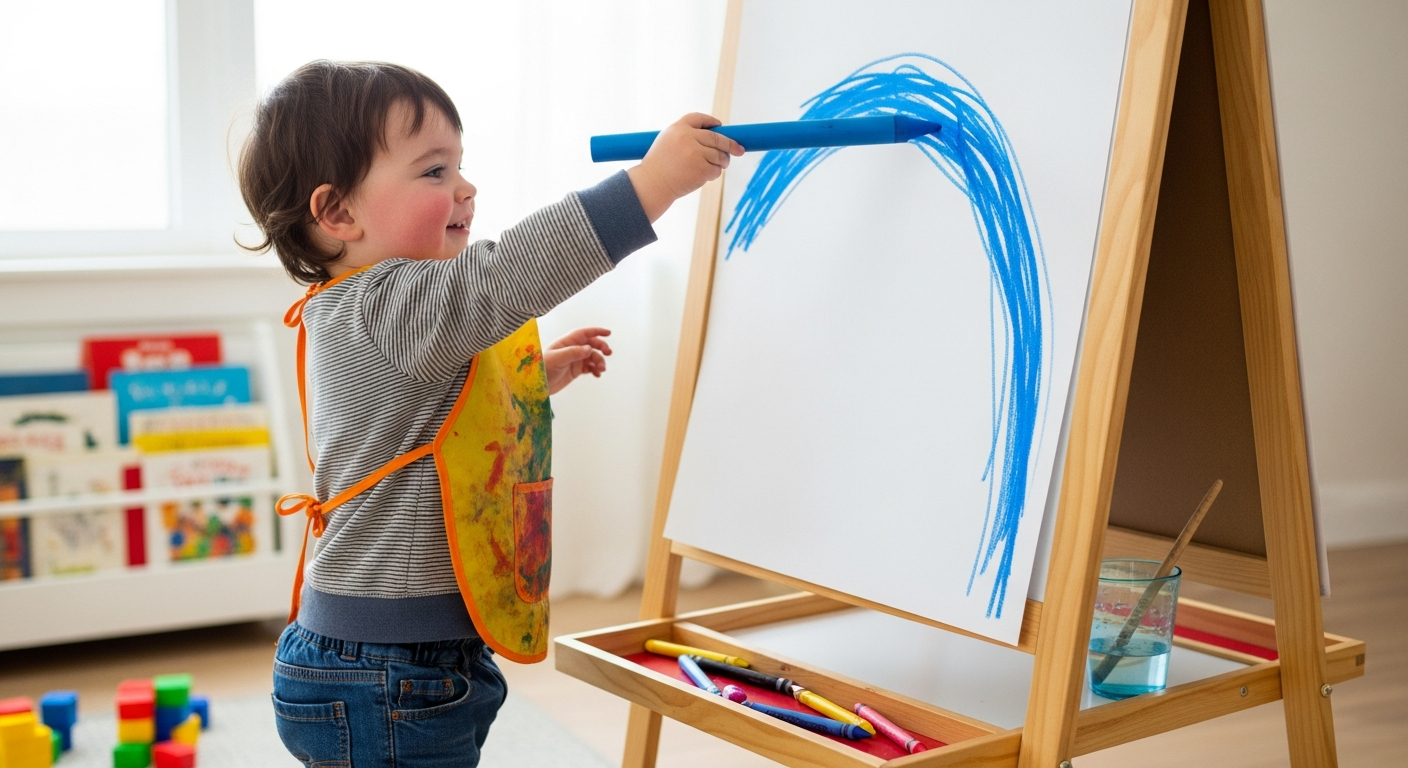
Toddler doing wrist warm-up by coloring on a vertical surface at an easel.
- Vertical coloring play: Tape a blank page to the wall and let them scribble freely for a minute or two. Coloring on a wall or easel forces the wrist into a good position (extended wrist), building strength for better control.
- Squeeze and release: Give them a ball of playdough to squish, or a soft stress ball to squeeze and release. This is like a mini workout for the hand and forearm muscles.
These fun warm-ups only take a few minutes, but they help activate the muscles your child will use for coloring. Plus, they signal that a fun activity is starting – getting your kid excited for the coloring session. Warming up reduces frustration and helps your child feel more in control when they start working on a real coloring page.
Step 2: Choose Simple Coloring Pages with Thick Outlines
Big, bold outlines and simple shapes are perfect for beginners learning to color inside the lines. In the image above, the thick borders give a clear target, and the large areas are easier for little hands to fill. Starting with such simple designs helps kids build confidence because there’s less tiny detail to worry about. They can happily scribble color into the shape without constantly overshooting the lines.
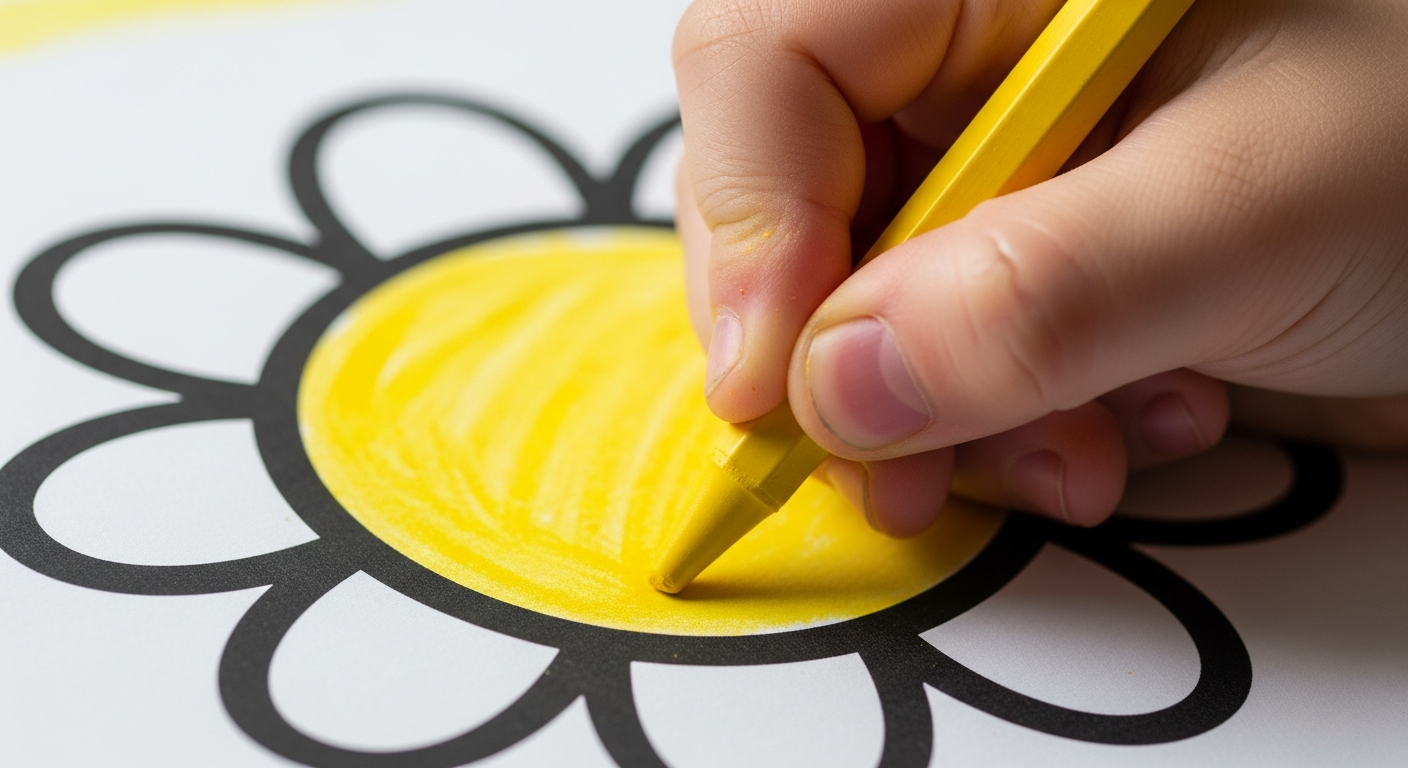
Child coloring a thick-outline sun on a printable coloring page.
Another tip: let your child pick a page that excites them, whether it’s a smiling sun or their favorite cartoon character. When they’re interested in the picture, they’ll be more motivated to stay focused and try their best to color it neatly. Bold outlines and larger shapes are very beginner-friendly – they set your child up for success by making the “inside” areas obvious and easy to target. Place the chosen page on the secured surface from Step 1, hand them a crayon, and you’re ready for the next step.
Step 3: Demonstrate Coloring Inside the Lines (Hand-Over-Hand Guidance)
Now it’s time to show your child what “coloring inside the lines” actually means. Sit beside your little one and demonstrate on a small part of the page. Use a slow, small circular motion with the crayon to fill in an area, staying within the outline. Explain what you’re doing in simple words: “See how I’m coloring this part? I’m making tiny circles with my crayon so the color stays inside this space.”
Next, guide your child with a hand-over-hand technique. Gently place your hand over theirs and color a section together, using those short strokes or circles. This helps them physically feel the controlled motion needed to stay inside the lines. After a couple of tries, let them do it on their own. If they start making wide strokes that go out of bounds, pause and remind them of the “little coloring circles” method, or suggest they outline the inside of the shape first (tracing along just inside the boundary) and then fill it in.

Parent helping child color inside the lines using hand-over-hand guidance.
Keep your tone positive and celebrate any effort. For example, if a lot of the crayon marks went outside the lines, you might still say, “I love how you chose such a bright color, and look – this part of the flower you colored stayed in the lines, great job!” Remember, the goal is to teach gradually. Even if it’s messy, they are learning the idea. This step is all about guiding and encouraging, not about perfection.
Step 4: Use the Right Tools and Grip Techniques
Short crayons (or broken pieces) naturally encourage a child to use a proper three-finger grasp. Notice in the image how the toddler’s hand is using the thumb, index, and middle finger to hold the crayon—that’s the tripod grip. Using a small crayon nub leaves no room for a full fist grip, so it automatically promotes better technique. In other words, snapping crayons in half is not a bad thing – it’s an effective hack to develop pencil-holding skills (we even have a full guide on this broken-crayon tripod grip technique if you want to dig deeper).
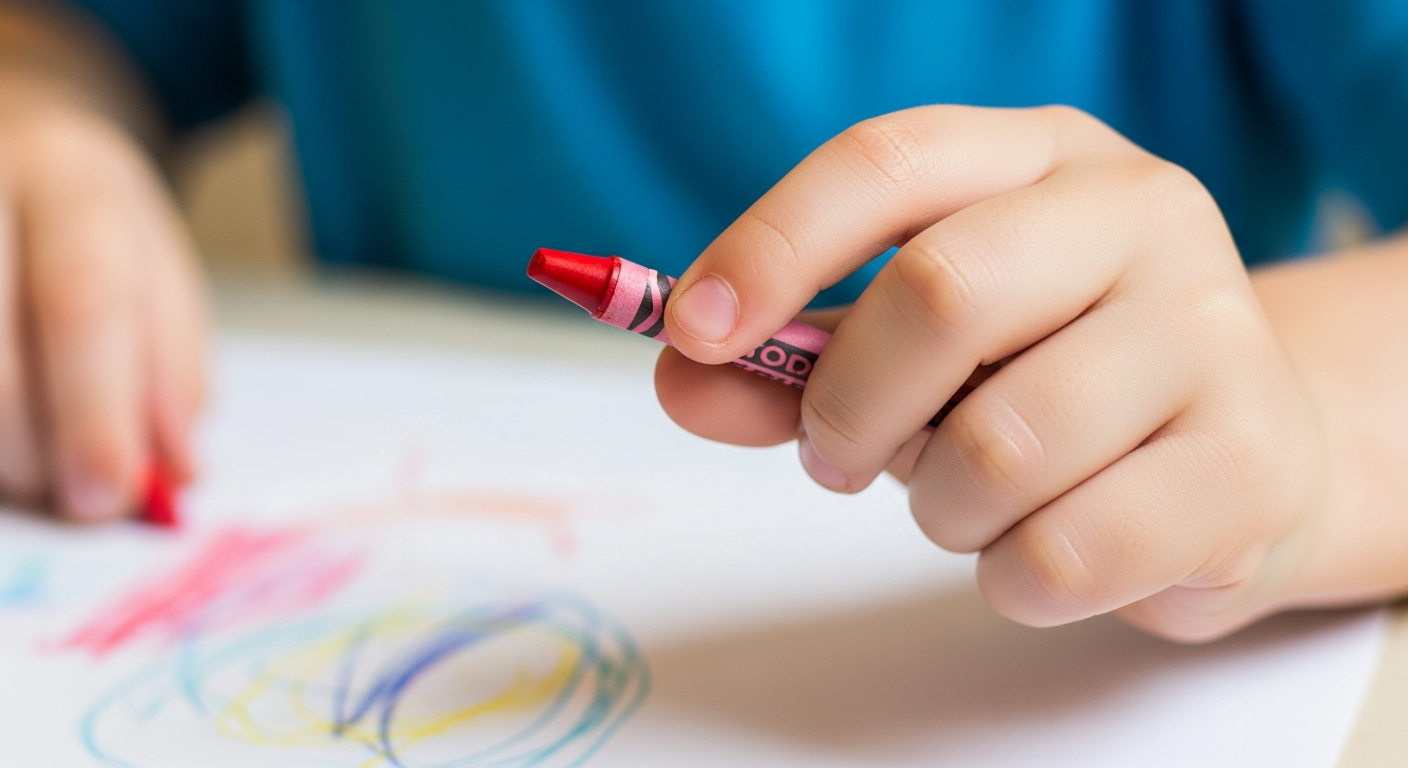
Child using proper tripod grip with a short broken crayon.
Aside from crayons, you can experiment with other coloring tools to see what your child finds easiest. Some kids do well with thicker jumbo crayons or markers that are easy to hold, while others prefer skinny crayons or colored pencils. Let them try a variety – the goal is to find a tool that they can manage comfortably. There are even triangular crayons and special pencil grips that naturally guide finger placement if your child is struggling with how to hold the crayon.
As your child colors, gently remind them (occasionally) of how to hold their crayon “like a writer” – using their pinching fingers, not a fist. But be sure to keep it light. The priority is that they enjoy coloring. Over time, using the right grip and tools will become second nature, and you’ll see their coloring control improve significantly.
Step 5: Practice Regularly and Keep it Fun
Like any skill, coloring inside the lines gets better with practice. Encourage your child to color often, but keep practice sessions short and sweet. For young kids, a 10-minute coloring session can be plenty to start with – you want them to end feeling happy, not frustrated or tired. Maybe set aside a little coloring time each day, so it becomes a fun routine rather than a “lesson.”
When practicing, start simple and gradually increase the challenge. Once your child does well with very basic pictures, try something with slightly smaller spaces or a bit more detail next time. For example, after they’ve mastered filling in a big circle or a simple smiley face, you might introduce a coloring page of a flower with a stem and leaves (the borders are still thick, but the coloring sections are a little smaller). This gentle increase in complexity strengthens their fine motor skills bit by bit without overwhelming them.
Most importantly, praise their efforts and keep the mood positive. If they go out of the lines a lot, that’s okay! You might say, “I see you worked hard on this. I love the colors you picked!” If they managed to stay in the lines on a portion of the picture, point it out and celebrate that progress. Positive reinforcement boosts their confidence and motivates them to keep trying. Some parents even make a little game of it – for instance, you can color alongside your child and playfully challenge, “I wonder if we can both color this shape without touching the edges?” Turn it into a bonding activity.
Finally, remember to be patient. Every child develops at their own pace. The goal is to help them enjoy coloring. When they enjoy it, they’ll do it more, and naturally, they’ll improve over time. So keep it fun, grab those crayons regularly, and cheer on every colorful creation they make!
Pro Tips and Troubleshooting
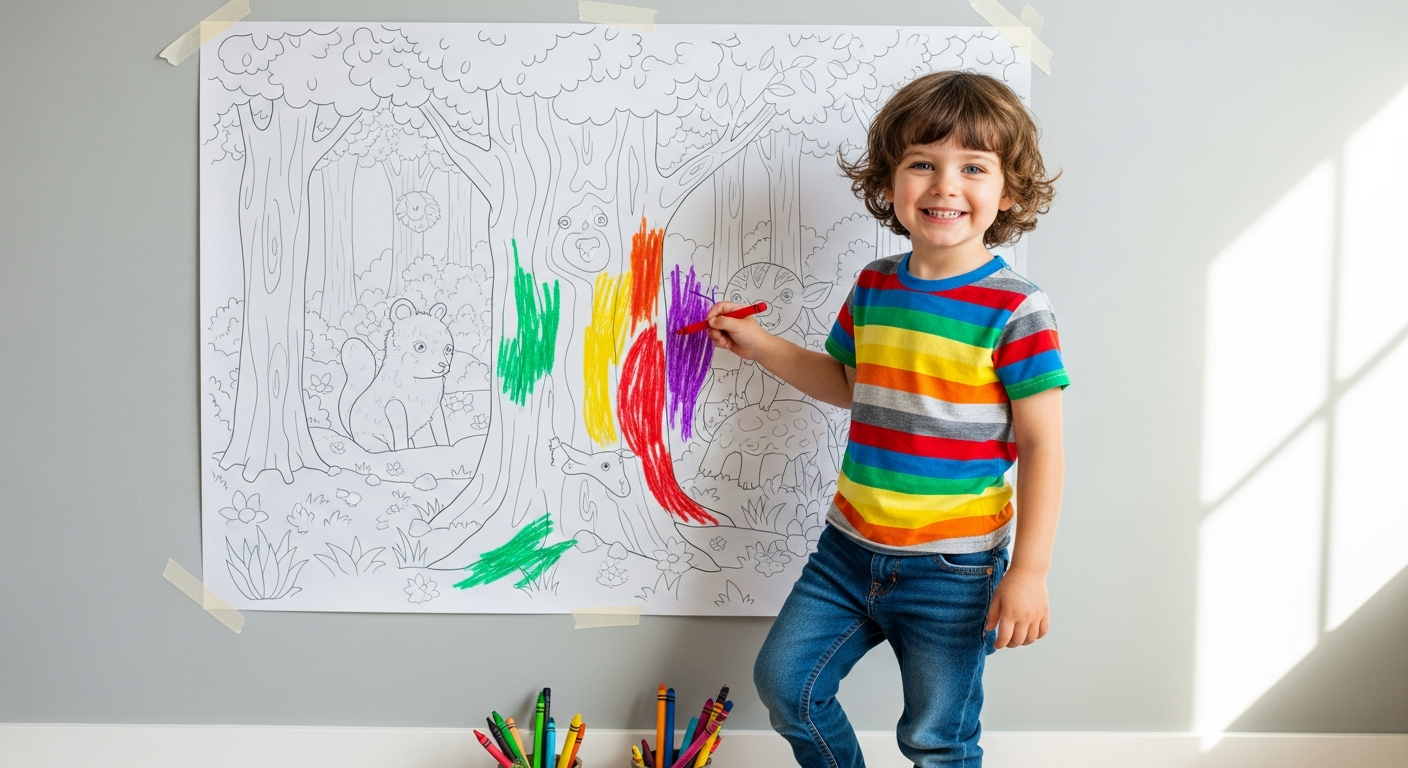
Child coloring a large picture on the wall to build arm strength and control.
Even with the steps above, you might run into some bumps. Here are some insider tips to make coloring inside the lines easier and address common issues:
Paper keeps curling: If your coloring pages wrinkle or curl (especially when using markers), try printing or drawing on thicker paper. Heavier cardstock resists curling and bleed-through. You can also tape down the edges of the paper before your child starts coloring, which keeps the page flat. After coloring (if the page is a bit warped), placing it under a heavy book for a few hours can help it flatten out again.
- Crayon strays outside the lines: A clever trick from occupational therapists is to provide a tactile border. Use puffy paint or a line of clear glue (let it dry) to trace the outline of the picture. This creates a subtle raised “bumper” that your child can feel as they color. Their crayon will bump against the edge, providing gentle feedback to stay within the area. It’s like training wheels for coloring inside the lines!
- Encourage small strokes: Teach your child to color using small, controlled strokes (those little circles or short lines) rather than big sweeping scribbles. Smaller strokes give them more control and precision. If your child tends to scribble wildly, gently remind them to slow down and “color in little bits.” You can even demonstrate again if needed – sometimes seeing you color a small area slowly will inspire them to try the same technique.
- Keep it creative: Coloring inside the lines doesn’t mean your child’s creativity is limited. Encourage them to choose fun color combinations and even try simple blending techniques as they advance. For example, they can experiment with shading from one color to another within a large shape. This way, they still feel expressive and arty while practicing precision within boundaries.
Coloring on an upright surface (like a wall or easel) can be a game-changer for kids. It’s not only a fresh way to keep them engaged, but also helps strengthen their arm and wrist – key for improving coloring control. In the image above, you can see a toddler enjoying a coloring activity on the wall. This kind of vertical play encourages larger arm movements and builds the stability needed for fine motor tasks. So next time your child seems restless, try taping a coloring page to the wall or even let them draw with sidewalk chalk outside – you might be surprised how this simple change boosts their interest and their skills!
By using these tips, you’ll handle common problems like paper issues or technique challenges like a pro. Remember, the journey to neat coloring should be enjoyable. With a few tricks up your sleeve, you can ensure your little artist stays encouraged and engaged.
Conclusion
Coloring inside the lines is a wonderful skill for kids to learn – not because we want every picture to be perfect, but because of all the great benefits hidden in this simple activity. It develops fine motor strength, coordination, focus, and patience, all of which will help your child in many other tasks (from writing their name to zipping up their coat). And it does all that while your child is having a good time coloring their favorite pictures!
Now that you know how to help your child with this skill, you can put it into practice right away. Grab some free printable coloring sheets (check out our selection of beginner-friendly designs with thick lines) and set up a fun coloring session today. Remember to keep the atmosphere positive and pressure-free. Your enthusiasm will rub off on your child – if you’re excited about their progress (no matter how gradual), they will be too.
So print out those pages, gather your crayons, and give these tips a try. Happy coloring! With a little practice and a lot of encouragement, you’ll soon witness your child proudly staying within the lines and enjoying every minute of it.
FAQs
At what age do children start coloring inside the lines?
Most children begin trying to color inside the lines during the preschool years (around ages 3-5). It’s a developmental milestone that shows growing fine motor and cognitive skills. Every child is different, though – some may do it a bit earlier, others later. It’s normal for toddlers to spend a long time scribbling, and that’s okay. By kindergarten (around 5-6 years old), many kids have improved control. If your child is older (6+ years) and still having a lot of trouble, you might practice a bit more or consult with their teacher or pediatrician just to rule out any issues. But in most cases, it comes with time and plenty of coloring fun.
Should I correct my child when they go outside the lines?
It’s best to encourage rather than pressure. Instead of pointing out coloring “mistakes,” offer gentle guidance. You can say things like, “Oops, a little went out – that’s okay, let’s try slowing down.” Focus on praising their effort and the parts they did color neatly, not on the spots that slipped out of bounds. If you constantly correct them, coloring can start to feel like a chore. You want it to remain a fun, creative activity. Over time, with positive reinforcement, they will naturally get neater. Remember that the goal is progress, not perfection.
How can I make coloring practice fun and engaging for my child?
To keep your child interested in coloring (and practicing those skills), try to make it about fun and creativity. Use coloring pages that feature their favorite things – whether it’s dinosaurs, princesses, trucks, or superheroes. Incorporate storytelling while they color: ask them about the scene or characters and create a little story together. You can also switch up materials to keep it exciting – crayons one day, markers or watercolor pencils another. Experts suggest using themed pages related to your child’s interests and varying the art tools to maintain engagement. Also, consider coloring together with your child. Kids love doing activities with a parent – it makes the experience feel special. The key is to keep it light-hearted and playful. When coloring is enjoyable, they’ll want to do it more often, and the more they practice, the better they’ll get at staying in those lines.

Sophia Williams is the voice of the YoloColoring community. As our Content Editor, she crafts all the helpful articles, guides, and descriptions you read on the site. She is also our Community Manager, dedicated to connecting with users, celebrating their creations, and fostering a warm, supportive environment for all colorists.