
Have you ever looked at a coloring page featuring a rustic barn or a majestic oak tree, reached for your brown pencil, and ended up with something that looked more like a flat chocolate bar than real timber? You aren’t alone.
Wood texture is one of the most challenging – yet rewarding – skills to master in adult coloring. It’s not just about picking the right “brown.” It’s about capturing the life, history, and organic chaos of the tree.
Whether you are a coloring enthusiast looking to level up your art or a parent helping your child develop fine motor skills, this guide will walk you through the process. By the end, you’ll be able to turn any blank space into a rich, textured wooden masterpiece using free printable sheets from YoloColoring’s extensive collection.
The Secret Ingredient: It’s Not Just “Brown”
The biggest mistake beginners make is starting with a dark brown pencil. Real wood glows from the inside out. If you look closely at a pine board or an oak table, the underlying color is usually a warm, golden yellow.
The Golden Rule: Always start with Yellow Ochre, Cream, or a light Wheat color. This “inner light” makes your wood look alive rather than dead and heavy.
What You Need (Tools of the Trade)
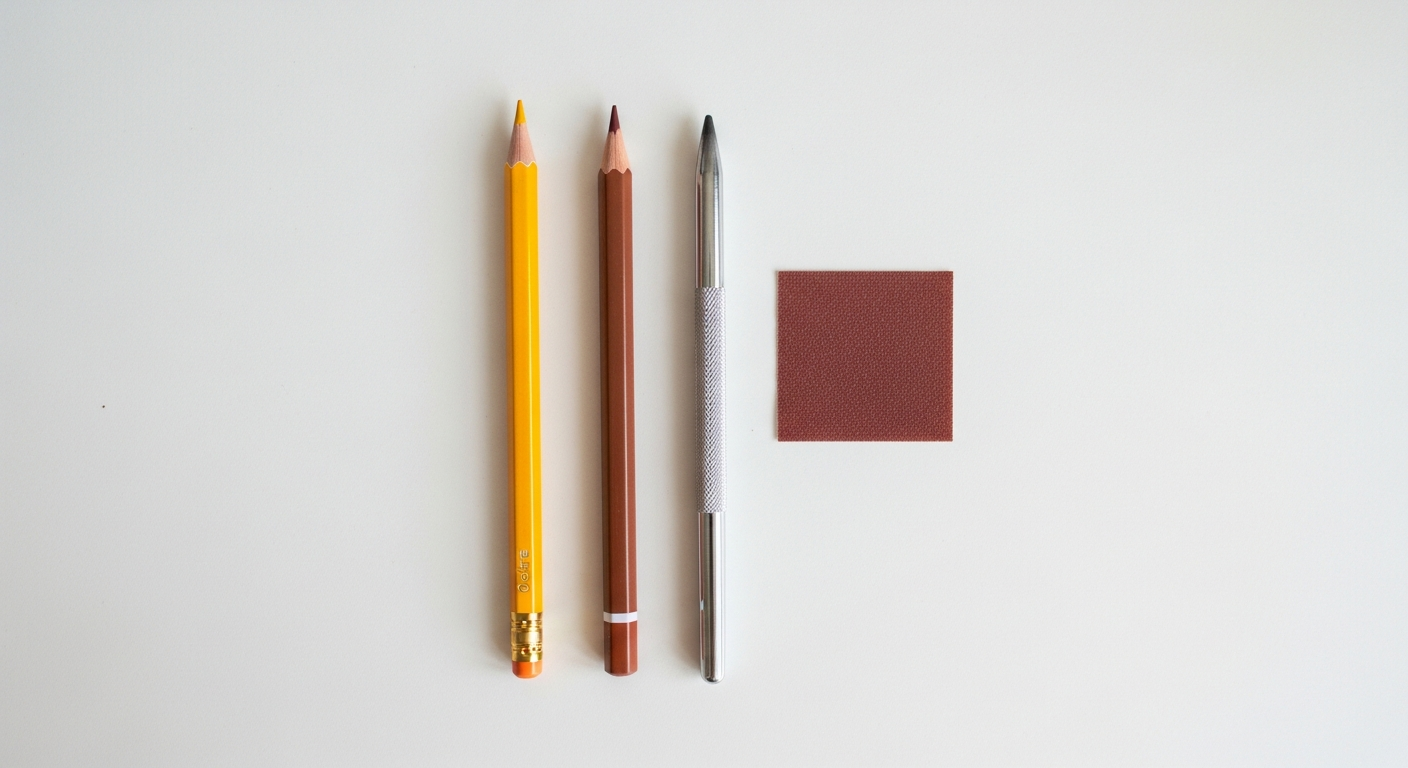
You don’t need an expensive art studio to get great results, but a few specific tools will help:
- Colored Pencils: A mix of wax-based (soft, good for blending) and oil-based (hard, good for details) pencils is ideal. To keep track of your warm and cool tones, consider creating DIY color swatch charts before you start.
- The “Magic” Stylus: An embossing tool, an empty ballpoint pen, or even a toothpick. We’ll use this for the “Indenting Technique” to create realistic cracks.
- A Rough Surface (Optional): A piece of sandpaper or a textured book cover for “frottage” techniques.
Step-by-Step: Drawing Realistic Wood Grain
Let’s break down the technique used by professional artists into four simple steps.
Step 1: The “Glow” Base Layer
Start by lightly shading the entire wood area with your Yellow Ochre or Cream pencil. Keep your pressure even. This represents the “Earlywood” – the fast-growing, lighter part of the tree ring.
Step 2: Create Texture with Indenting
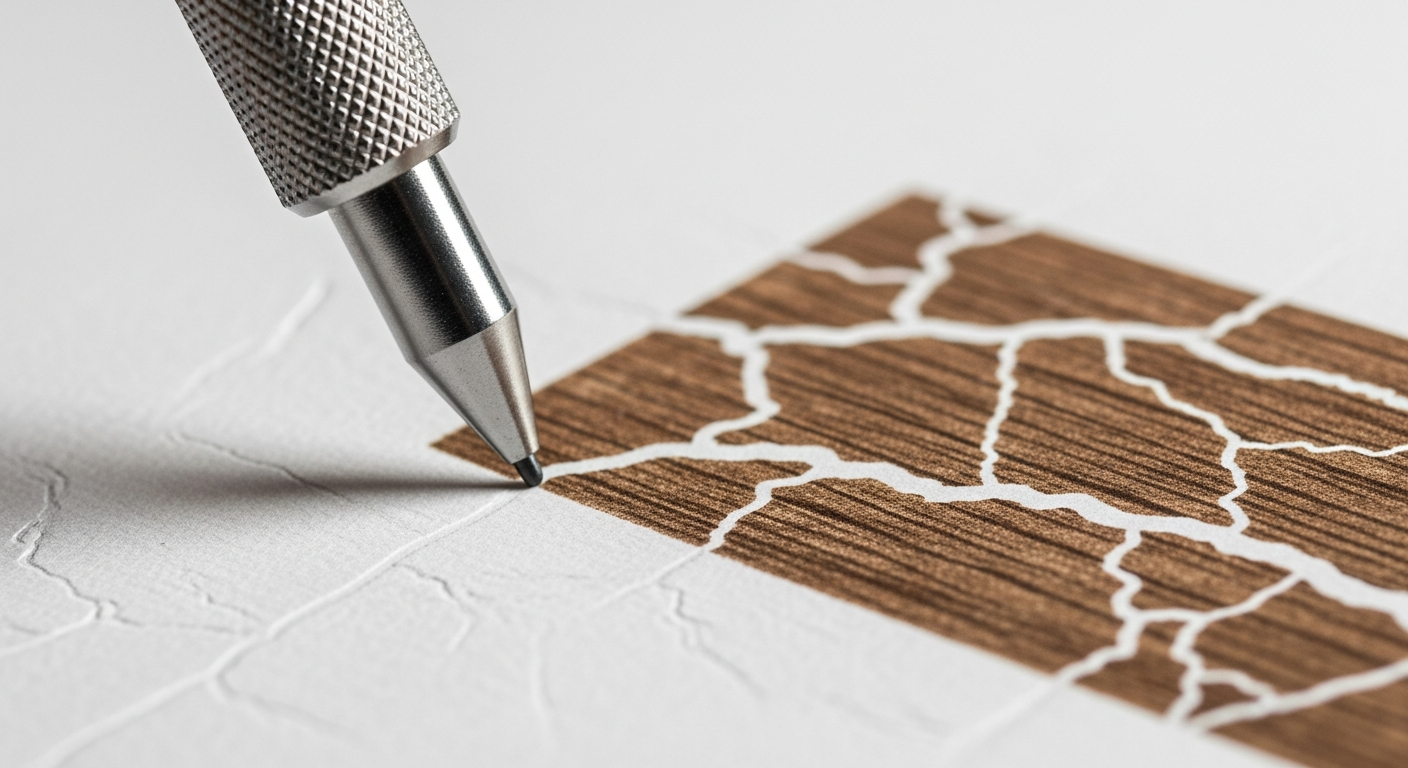
Before you add any dark colors, take your stylus (or empty pen) and press firmly into the paper to draw random, jagged lines. These will be your cracks and splits. When you color over them later, the pencil will skip these grooves, leaving them bright and distinct.
Step 3: The “Wobble” Technique
Now, take a sharper, darker pencil (like Terra Cotta or Light Umber). It’s time to draw the grain.
- Don’t use a ruler! Trees don’t grow in straight lines.
- Use a “controlled wobble.” Lock your wrist and move your whole arm to create long, flowing lines that drift and wave down the page.
- The Cathedral Pattern: Occasionally, draw a stacked “V” shape (like a mountain peak). This is a classic wood grain figure known as a “cathedral”.
Step 4: Knots and Flow
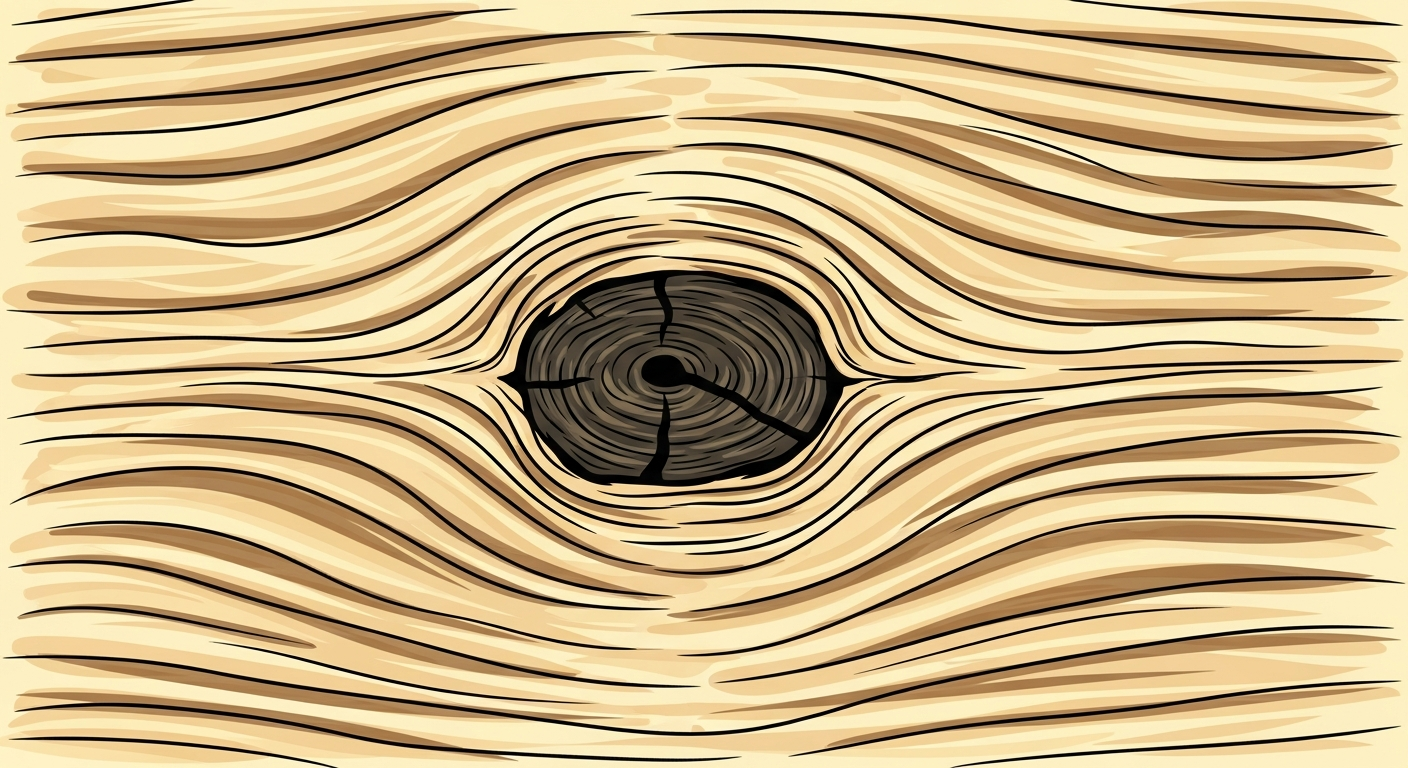
Knots are the “character” of the wood. Draw a dark, irregular oval (the knot). Then, make your grain lines flow around it like water in a stream flowing around a rock. The lines should bunch up tight on the sides of the knot and widen out above and below it.
Step 5: Deepening the Shadows (Ban the Black!)
To add depth, avoid using a black pencil, which can make your wood look muddy or “rotten”. Instead, use Indigo Blue, Dark Green, or Dark Purple to shade the darkest corners and the edges of your planks. These cool colors contrast with the warm wood tones, creating a vibrant, 3D effect.
Why This Matters: More Than Just a Pretty Picture
Practicing wood grain textures isn’t just about art; it’s a fantastic developmental exercise.
- Fine Motor Skills: The act of varying pressure – pressing hard for dark rings and light for the base – builds “proprioception” (body awareness) in the hands.
- Pincer Grasp: Tracing the intricate, wobbly lines of wood grain strengthens the muscles used for handwriting.
- Mindfulness: The repetitive, organic nature of drawing grain induces a “flow state,” helping both adults and children reduce stress and improve focus.
3 Quick Tips for Pro Texture
- Frottage (Rubbing): Place your coloring page over a rough surface (like a concrete patio or a textured book). Rub your pencil over the paper to pick up that gritty, natural texture instantly.
- Highlighting: Use a white gel pen at the very end to add sharp, shiny highlights on the edges of the wood if you want it to look varnished or wet.
- Blending: If your wood looks too scratchy, use a white or cream pencil to burnish (rub hard) over the top. This mixes the colors together for a smooth, furniture-grade finish.
Conclusion
Realistic wood grain is about embracing imperfection. Real trees have bumps, scars, and wobbly lines – and your art should too! By layering your colors from light to dark and mastering the “wobble,” you can turn a simple coloring page into a work of art.
Ready to give it a try? Grab your Yellow Ochre pencil and head over to our free coloring pages library to get started today!
Frequently Asked Questions (FAQ)
Q: What is the best color for the base of wood?
A: Yellow Ochre or a light Cream is the best starting point. It mimics the natural “glow” of the wood fibers found beneath the bark.
Q: How do I make wood look old and weathered?
A: Use cool grays and blues instead of warm browns. “Weathered” wood has lost its yellow lignin due to sun exposure, leaving it grey. Add lots of cracks using a sharp dark pencil.
Q: Can I use markers for wood grain?
A: Yes! A great technique is to use a light yellow or tan alcohol marker as your base layer to fill the white space quickly. Then, use colored pencils on top to draw the detailed grain lines.
Q: Why does my wood grain look fake?
A: You might be drawing the lines too straight. Remember to use the “wobble” technique. Trees are organic and rarely grow in perfect straight lines. Relax your hand and let the lines meander.

Sophia Williams is the voice of the YoloColoring community. As our Content Editor, she crafts all the helpful articles, guides, and descriptions you read on the site. She is also our Community Manager, dedicated to connecting with users, celebrating their creations, and fostering a warm, supportive environment for all colorists.