
We’ve all been there. You’re in the zone, shading a beautiful mandala or adding the finishing touches to a superhero’s cape on one of our YoloColoring coloring pages. You reach for that perfect shade of blue, uncap the marker, and… nothing. Just a scratchy, dry squeak against the paper.
The frustration is real. For parents, teachers, and artists, dried-out markers often feel like the end of the road. But before you toss them in the trash, wait! A “dead” marker is usually just sleeping. The vibrant pigment is often still trapped inside the core, waiting for a little chemistry to wake it up.
In this guide, we’ll show you exactly how to bring your alcohol markers back to life using a simple household item. It’s quick, eco-friendly, and will save you a trip to the art store. Plus, having juicy, flowing markers is the secret to mastering those advanced blending techniques and helping little ones develop their fine motor skills without frustration – which is essential if you want to encourage a reluctant child to draw.
Ready to rescue your art supplies? Let’s dive in.
Why Do Markers Dry Out?
To fix the problem, it helps to understand what went wrong. Unlike water-based markers (like standard Crayolas), alcohol markers rely on a solvent, usually ethanol or isopropanol, to carry the dye to the paper. This alcohol evaporates very quickly, which is great for drying your artwork instantly but bad for the marker’s lifespan if the cap is left loose.
When a marker “dries out,” the dye is usually still there, clogging the fiber core and the nib. The vehicle (the alcohol) has just driven off. By reintroducing the right solvent, we can dissolve that hardened dye and get the ink flowing again.
What You’ll Need: The Rescue Kit
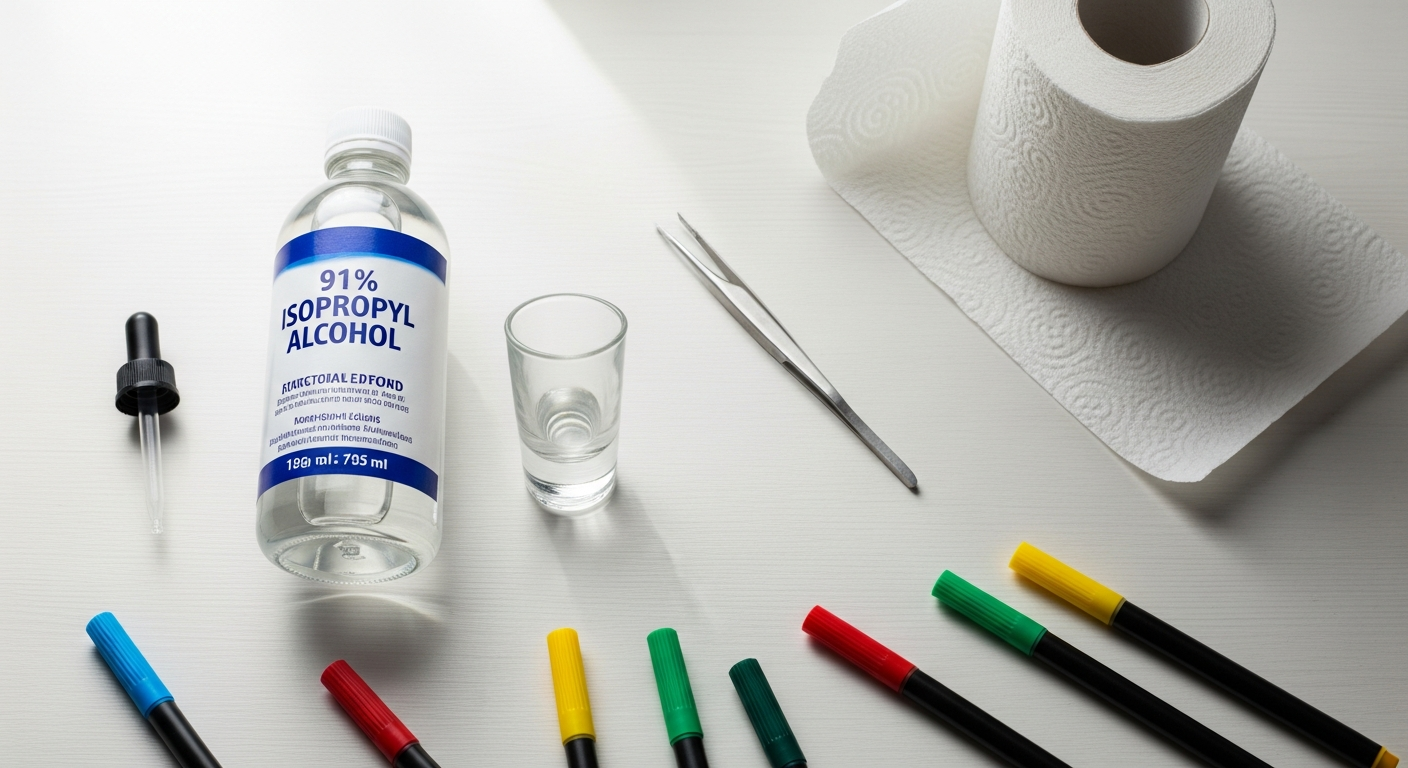
You don’t need expensive equipment. You can perform this “surgery” on your kitchen table in under five minutes.
- 91% Isopropyl Alcohol (Rubbing Alcohol): This is the magic ingredient. While 70% works for disinfecting, it contains too much water for art supplies. The 91% version is stronger and closer to the marker’s original solvent, ensuring your ink stays vibrant and dries fast.
- A Small Cup or Shot Glass: For soaking.
- Tweezers: Flat-tipped ones are best to avoid damaging the nib.
- Paper Towels: Things might get a little messy!
- A Dropper or Pipette (Optional): For the advanced injection method.
- Your Dried Markers: Gather them up!
Need something to test your revived markers on? Download our free printable coloring sheets at YoloColoring!
Method 1: The “Capillary Soak” (Easiest Method)
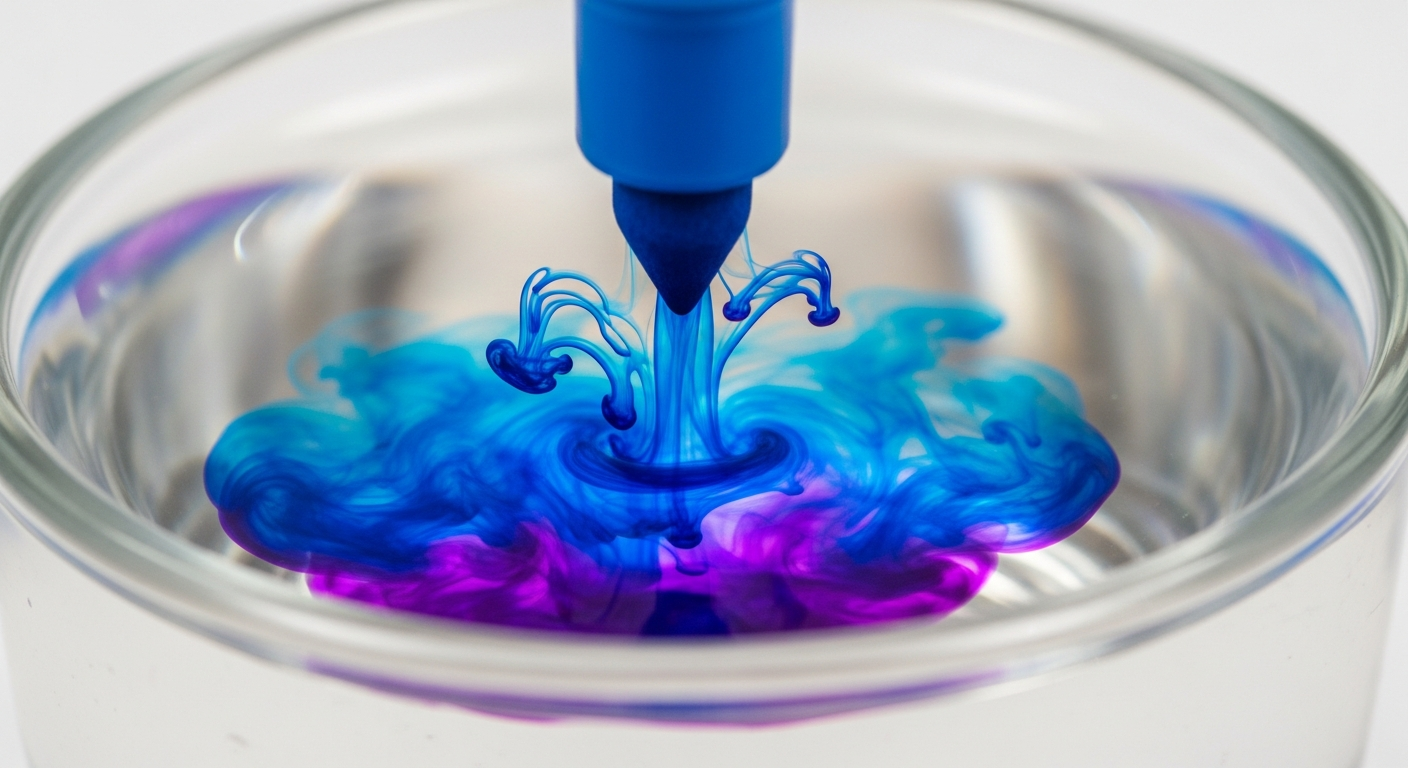
This method is perfect for markers that are just a little streaky or were left uncapped for a few hours. We let physics do the heavy lifting.
- Pour the Alcohol: Fill your small cup with about 0.5 cm of 91% Isopropyl Alcohol.
- Soak the Tip: Uncap your marker and place it tip-down into the alcohol.
- Watch the Magic: You’ll see plumes of color drifting into the clear liquid. This is good! It means the hardened clog is dissolving.
- Wait 5-10 Minutes: Don’t leave it too long, or you might leach out too much dye.
- Wipe and Cap: Remove the marker, wipe the excess fluid off the nib, and cap it tightly.
- The Rest Period: This is crucial. Lay the marker horizontally for at least 15 minutes. This allows the fresh alcohol to travel from the nib back into the core, mixing with the old dye.
Method 2: The “Surgical Injection” (For Stubborn Markers)
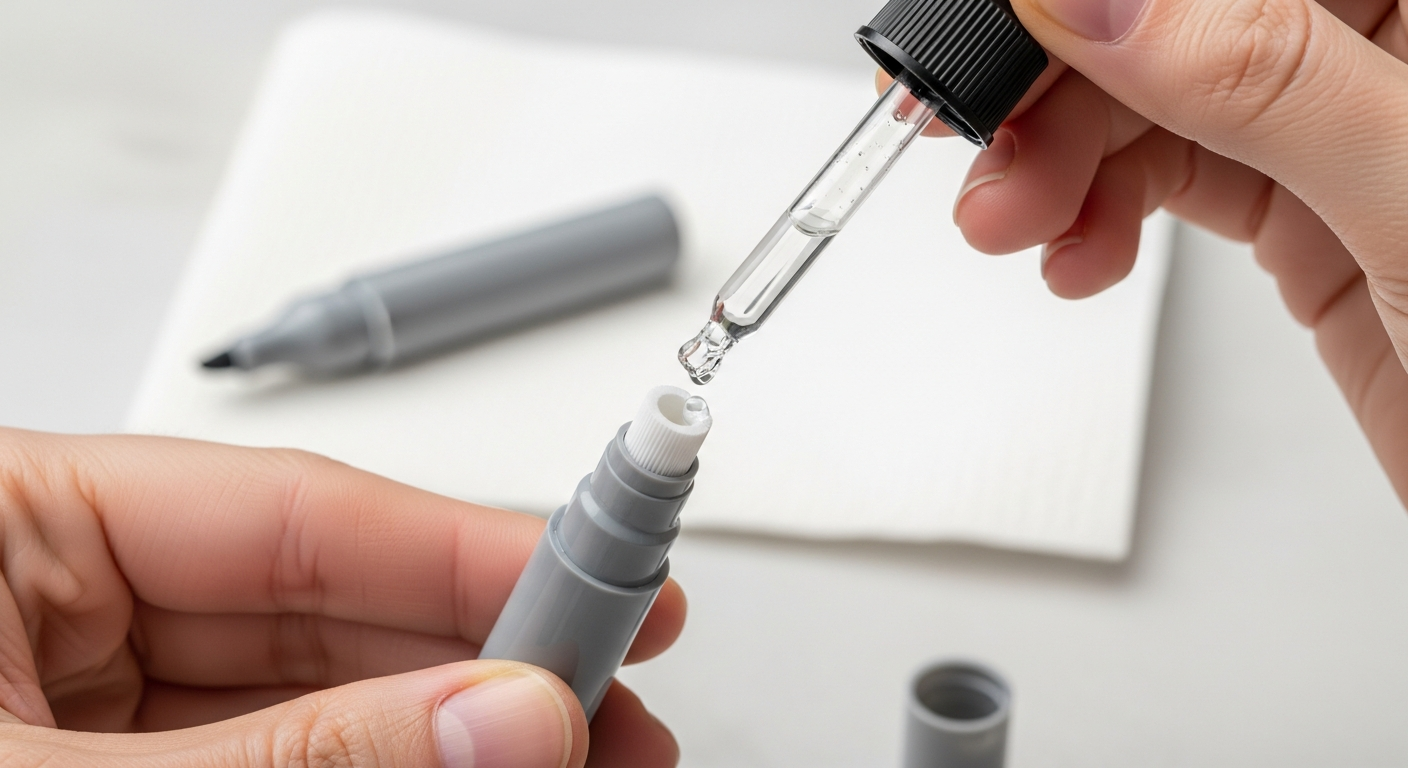
If your marker is bone-dry, a simple soak might not be enough. You need to get the alcohol directly into the reservoir core.
- Remove the Nib: Using your tweezers, gently pull the nib straight out. Pro Tip: If you have a dual-tip marker, remove the chisel tip (the broad one). It’s sturdier and easier to remove than the delicate brush tip .
- Inject the Alcohol: With the nib removed, you’ll see the fibrous core inside. Using your dropper, slowly drip about 3 to 5 drops of 91% alcohol directly onto this core . Let each drop absorb before adding the next.
- Reassemble: Push the nib back in firmly until it clicks or seats securely.
- Shake and Store: Cap the marker and give it a gentle shake to mix the solution. Store it tip-down for 30 minutes to let gravity pull the refreshed ink down to the nib.
Method 3: The “Blender Kiss” (The On-the-Go Fix)
Stuck without a bottle of alcohol? If you have a Colorless Blender marker in your kit, you can perform a quick rescue.
- Touch Tips: Hold your juicy Colorless Blender vertically above your dried-out marker.
- The Transfer: Touch the tips together for 15-20 seconds.
- The Flow: The solvent from the blender will transfer into the dry nib, re-wetting the dried ink crust . Scribble on scrap paper to clean the blender tip afterwards.
Troubleshooting: What If It’s Not Perfect?
- The Color is Too Pale: You might have added too much alcohol, diluting the dye. Leave the marker uncapped for a few minutes to let some alcohol evaporate, then store it horizontally for a day to let the pigment settle.
- The Nib is Fuzzy: Rubbing alcohol fixes the ink, not the felt. If your nib is frayed, the marker will feel mushy. You can use sharp scissors to trim the fuzz or buy replacement nibs for brands like Ohuhu or Copic.
- It’s Leaking: The core is over-saturated. Store the marker tip-up for a while and wipe the cap clean with alcohol.
Expert Tips for Marker Longevity
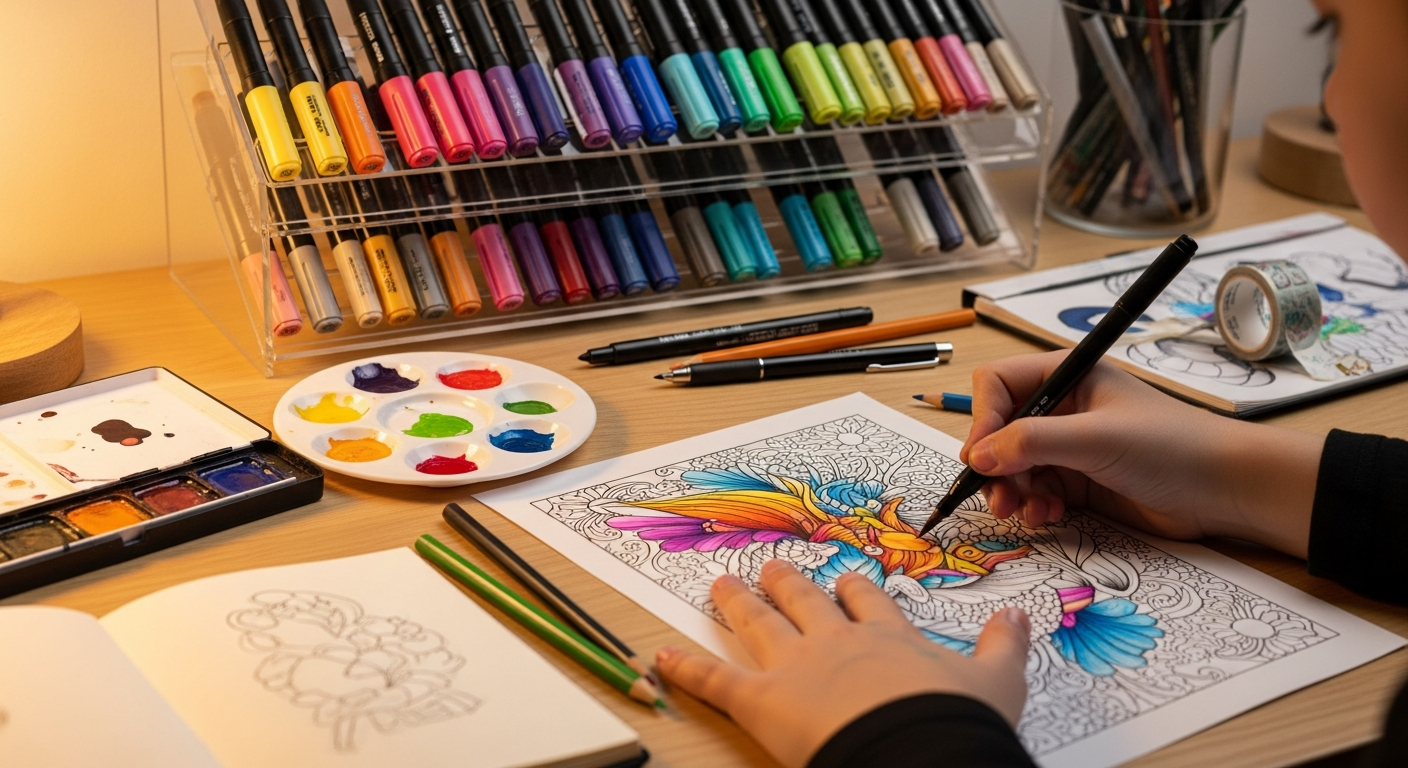
Now that your markers are back in action, keep them healthy with these pro tips:
- Store Horizontally: This is the golden rule for double-ended alcohol markers. It keeps the ink evenly distributed so neither tip dries out.
- Listen for the Click: Always ensure the cap clicks shut. Even a tiny gap allows solvent to escape.
- Keep Cool: Heat is the enemy. Don’t leave your art case in a hot car or on a sunny windowsill.
Revive, Reuse, and Keep Coloring!
Reviving your markers isn’t just about saving money (though that’s a great bonus!); it’s about sustainability and respecting your tools. By maintaining your supplies, you ensure that nothing stands between you and your creativity.
Now that your markers are juicy and vibrant again, put them to the test! Whether you are practicing smooth gradients or just relaxing after a long day, we have the perfect canvas for you.
Visit YoloColoring.com to browse our huge collection of free printable coloring sheets. Download your favorites today and let the colors flow!
Frequently Asked Questions (FAQ)
Q: Can I use hand sanitizer instead of rubbing alcohol?
A: We don’t recommend it. Hand sanitizers often contain gels, scents, and moisturizers (like aloe) that can clog the marker nib and leave a sticky residue on your paper. Stick to pure isopropyl alcohol for the best results .
Q: Will this work on water-based markers (like Crayola)?
A: No, alcohol is for alcohol markers. For water-based markers, simply dip the tip in warm water for a few minutes to revive them .
Q: How do I know if my marker is alcohol or water-based?
A: Check the label! Alcohol markers are usually marked “Permanent” or “Alcohol-based” and have a distinct smell. Water-based markers are often labeled “Washable” and have little to no scent .
Q: My marker revived, but the color is very light. Why?
A: This means the dye inside the marker is physically running out, not just dried up. You have successfully restored the flow, but there isn’t enough pigment left. In this case, you will need a dedicated ink refill bottle for that specific color .
Q: Is 70% alcohol okay to use?
A: It can work in a pinch, but 91% (or higher) is much better. The 70% solution contains 30% water, which dries slower and can damage the paper or cause the ink to streak rather than blend smoothly.

Sophia Williams is the voice of the YoloColoring community. As our Content Editor, she crafts all the helpful articles, guides, and descriptions you read on the site. She is also our Community Manager, dedicated to connecting with users, celebrating their creations, and fostering a warm, supportive environment for all colorists.