In a world where 64-count crayon boxes are the ultimate prize, we often forget that art isn’t about having every color, it’s about understanding how to make them. Handing a child a pre-mixed “Grass Green” crayon allows them to color, but teaching them to layer Blue over Yellow allows them to create.
Teaching color mixing with a limited palette of just three crayons (Red, Yellow, and Blue) is one of the most effective ways to boost creativity, enhance fine motor skills, and introduce the fascinating science of light and pigment. Plus, it turns every coloring session into a magical science experiment!
Whether you are a parent looking for DIY craft ideas or a teacher planning a lesson, this guide will show you how to master the art of blending using the vast library of free printable coloring sheets available here at YoloColoring.
Why Limit the Palette? The Power of Three
Constraint-based learning, limiting tools to spark creativity, is a powerful educational method. When a child reaches for a green crayon and finds it missing, they encounter a problem. Solving that problem by mixing Yellow and Blue engages critical executive functions in the brain .
Using only the three primary colors offers distinct benefits:
- Cognitive Development: It forces children to hypothesize (“What happens if I add more red?”) and analyze results .
- Fine Motor Skills: Mixing wax crayons requires “layering” or “glazing,” which demands much more subtle pressure control than simple coloring. This helps refine the hand muscles used for handwriting .
- Process Art: The focus shifts from the final picture to the process of creating it, which is essential for building artistic confidence.
The Science of Crayon Mixing: Wax and Tooth
Before we start blending, it helps to understand the medium. Unlike paint, which mixes wet, crayons mix physically and optically on the paper.
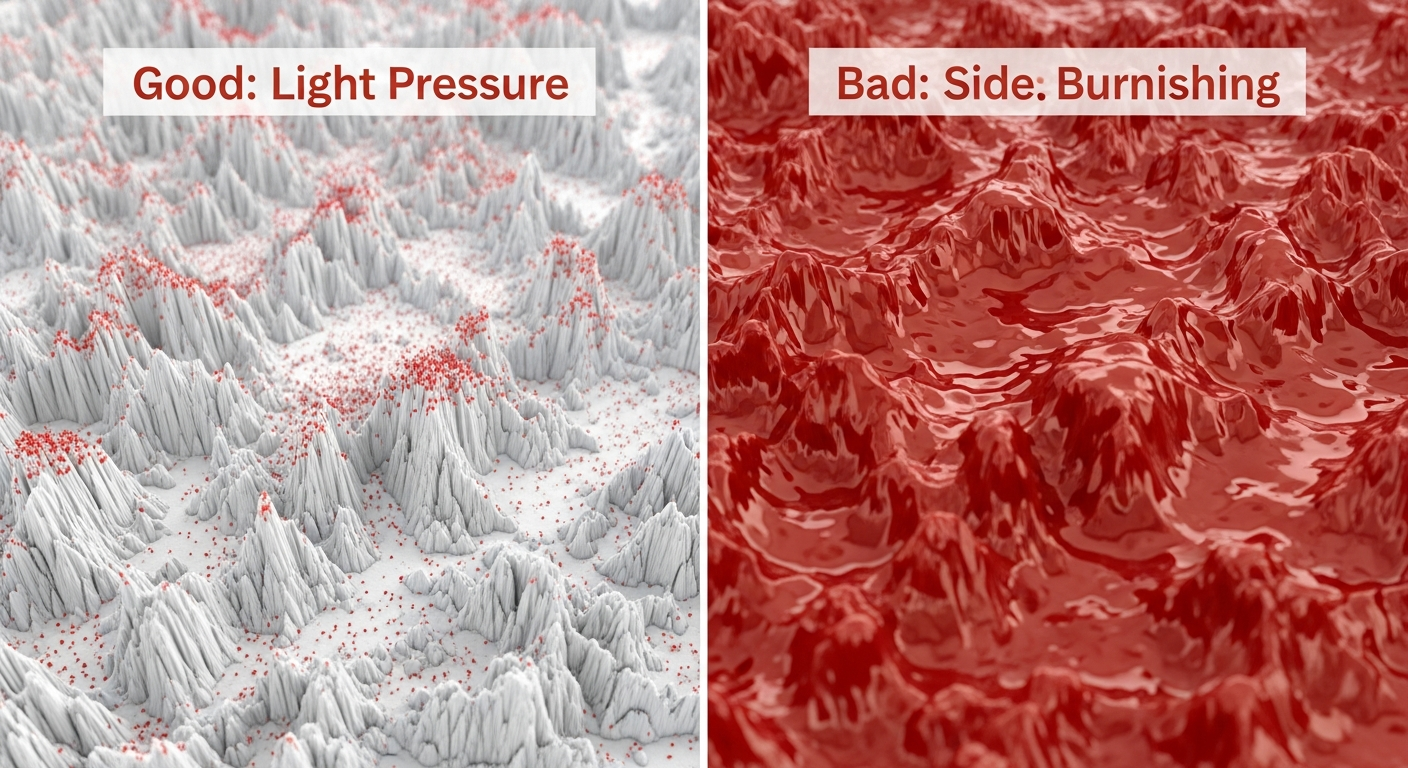
Paper has a texture called “tooth”, microscopic hills and valleys. When you color lightly, the wax sits on the “hills,” leaving the “valleys” white. This allows you to layer a second color on top. If a child presses too hard (burnishing), they flatten the tooth and seal the paper, making it impossible to add more color .
The Golden Rule: Always start with a “Whisper Touch” (light pressure) to keep the tooth open for mixing.
Step-by-Step Guide to Mixing Secondary Colors
Ready to start? Grab three crayons – Red, Yellow, and Blue – and download a few simple designs from our Animal Coloring Pages collection to practice on.
1. The “Sunset” Mix: Creating Orange (Yellow + Red)
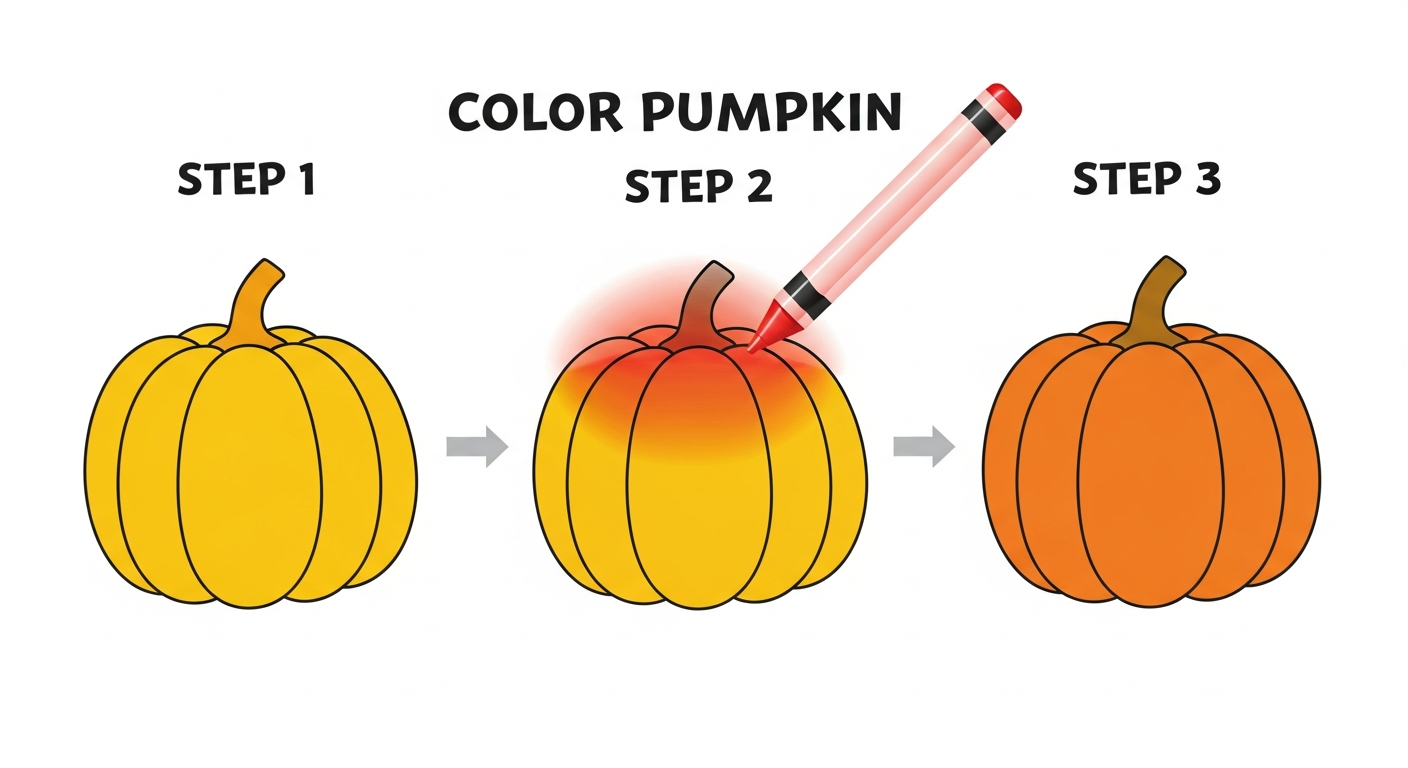
Orange is the easiest secondary color to master because red and yellow blend naturally without turning “muddy.”
The Subject: A pumpkin, a tiger, or the sun. (Try our Nature Coloring Pages)
The Technique:
- Base Layer: Color the object entirely with Yellow using medium pressure. Yellow is a weak pigment, so it needs to be the foundation .
- Top Layer: Gently layer Red over the yellow.
- The Result: The translucent red wax sits on top of the yellow, filtering the light to create a vibrant orange.
2. The “Forest” Mix: Creating Green (Yellow + Blue)
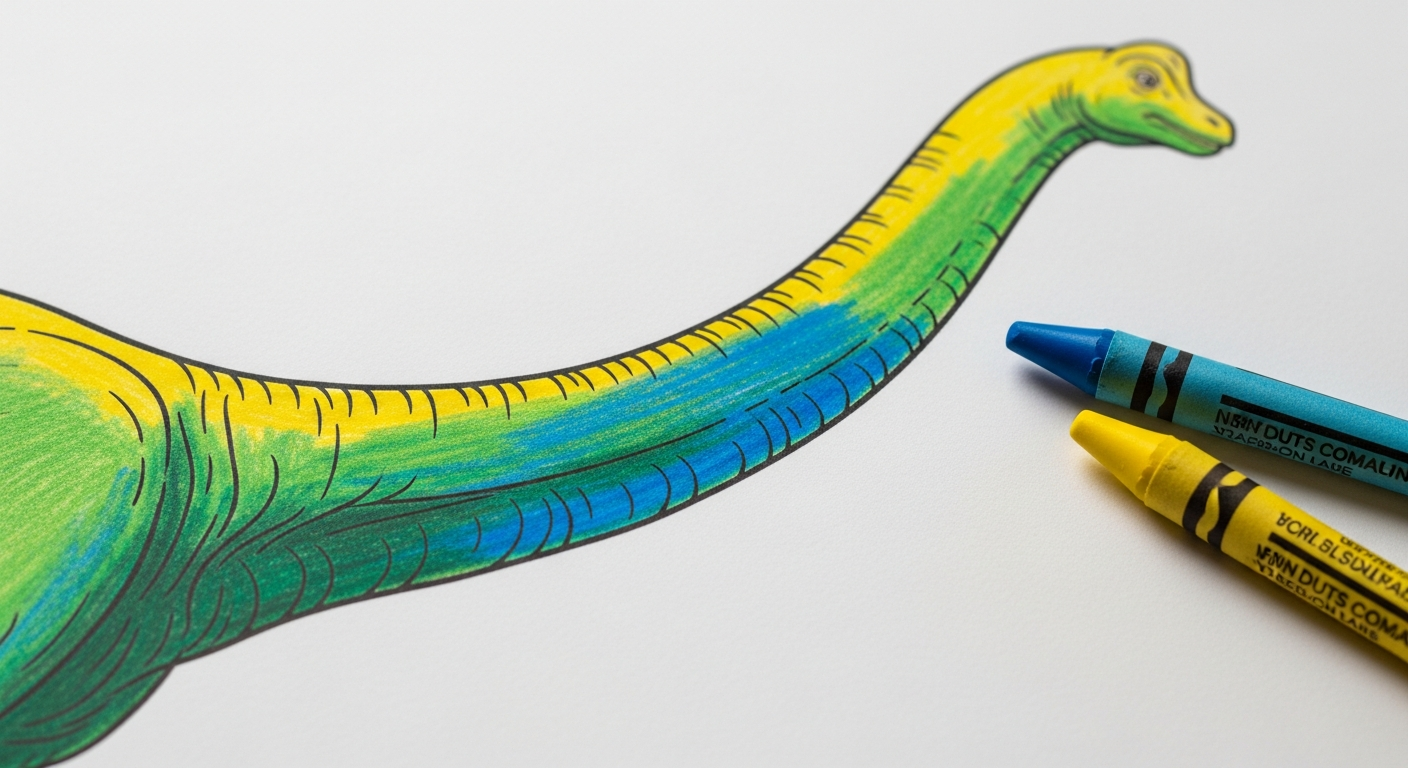
Green requires more care because Blue is a very strong, dark pigment that can easily overpower Yellow.
The Subject: Dinosaurs, lizards, or trees.
The Technique:
- Base Layer: Always lay down a solid Yellow base first.
- Top Layer: Whisper-lightly shade Blue on top.
- Adjusting: If it looks too teal, add more yellow. If it looks too neon, a tiny scratch of red will turn it into an earthy Olive Green.
3. The “Royal” Mix: Creating Purple (Red + Blue)
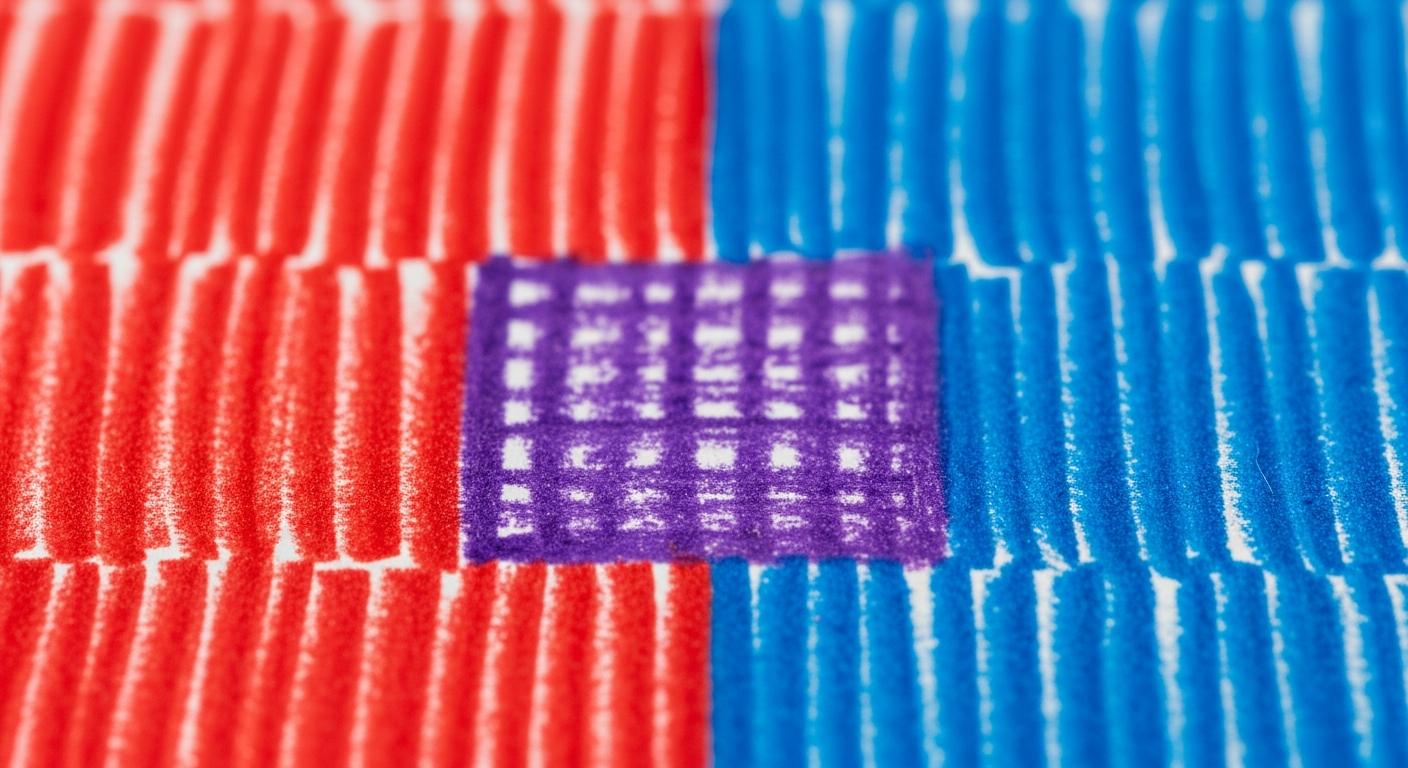
This is the hardest mix. Standard red crayons often have a yellow tint (making them “warm”), and blue crayons often have a green tint. When you mix them, you are accidentally mixing all three primaries, which results in brown instead of purple .
The Subject: Wizard robes, flowers, or galaxies. (Check out Fantasy & Mythology Coloring Pages)
The Technique:
- Texture Blending: Instead of layering heavily, try Stippling (dots) or Hatching (lines). Draw vertical red lines and horizontal blue lines.
- Optical Mixing: From a distance, the eye blends these lines into purple without the pigments physically mushing into brown.
- Pro Tip: If you have a choice, use a “Magenta” or “Rose” crayon instead of a standard “Fire Engine Red” for better purples.
Advanced Techniques: Brown, Skin Tones, and Black
Once your child masters the secondary colors, challenge them with the “Tertiary” colors.
Making Brown (The “Mud” Mix)
Brown is simply a mix of all three primary colors.
- Recipe: Create Orange (Yellow + Red) first. Then, lightly layer Blue over it. The blue neutralizes the orange into a rich brown .
- Application: Perfect for tree trunks or bear fur in our Animal Coloring Pages.
Creating Skin Tones
Skin tones are complex versions of orange and brown.
- Pale/Medium Tones: Start with a very light Yellow base. Add a whisper of Red to make a pale peach.
- Tan/Dark Tones: Build a stronger Orange base, then slowly add Blue to darken and desaturate the color into rich browns and umbers .
- Practice: Use the diverse characters in our People Coloring Pages.
Chromatic Black
Don’t use the black crayon! “Chromatic Black” is deeper and more vibrant.
- Recipe: Press hard (burnish) with Red, then Blue, then Yellow, and repeat until the paper is saturated. This creates a deep, complex dark color perfect for space scenes.
Fun Activities & Challenges by Age Group
For Toddlers (Ages 3-5): The “Walking Water” Concept
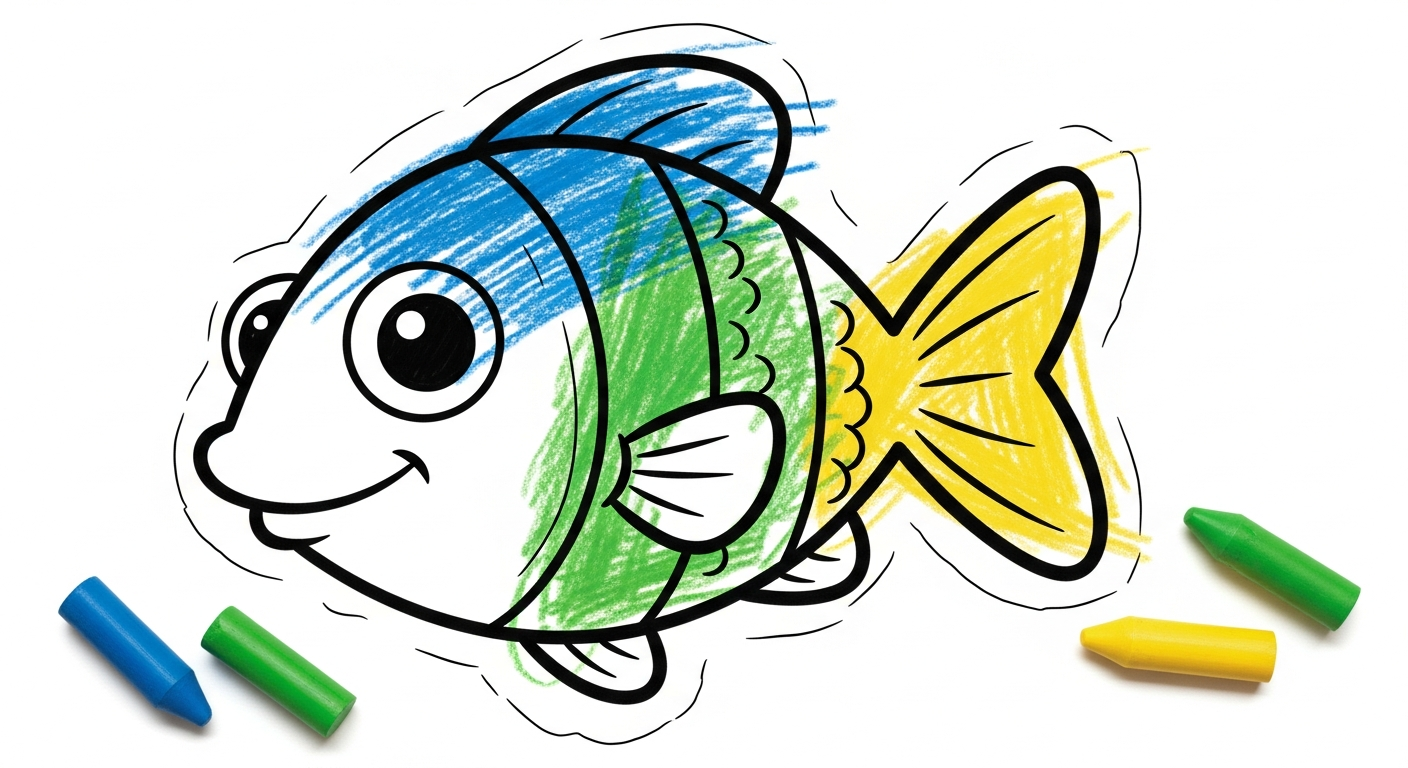
Keep it simple. Don’t worry about perfect blending.
- Activity: Print a fish from Animal Coloring Pages. Color the head Blue and the tail Yellow. Ask them to make the colors “meet in the middle” to see the magic Green appear .
For Early Elementary (Ages 6-9): The “3-Crayon Challenge”
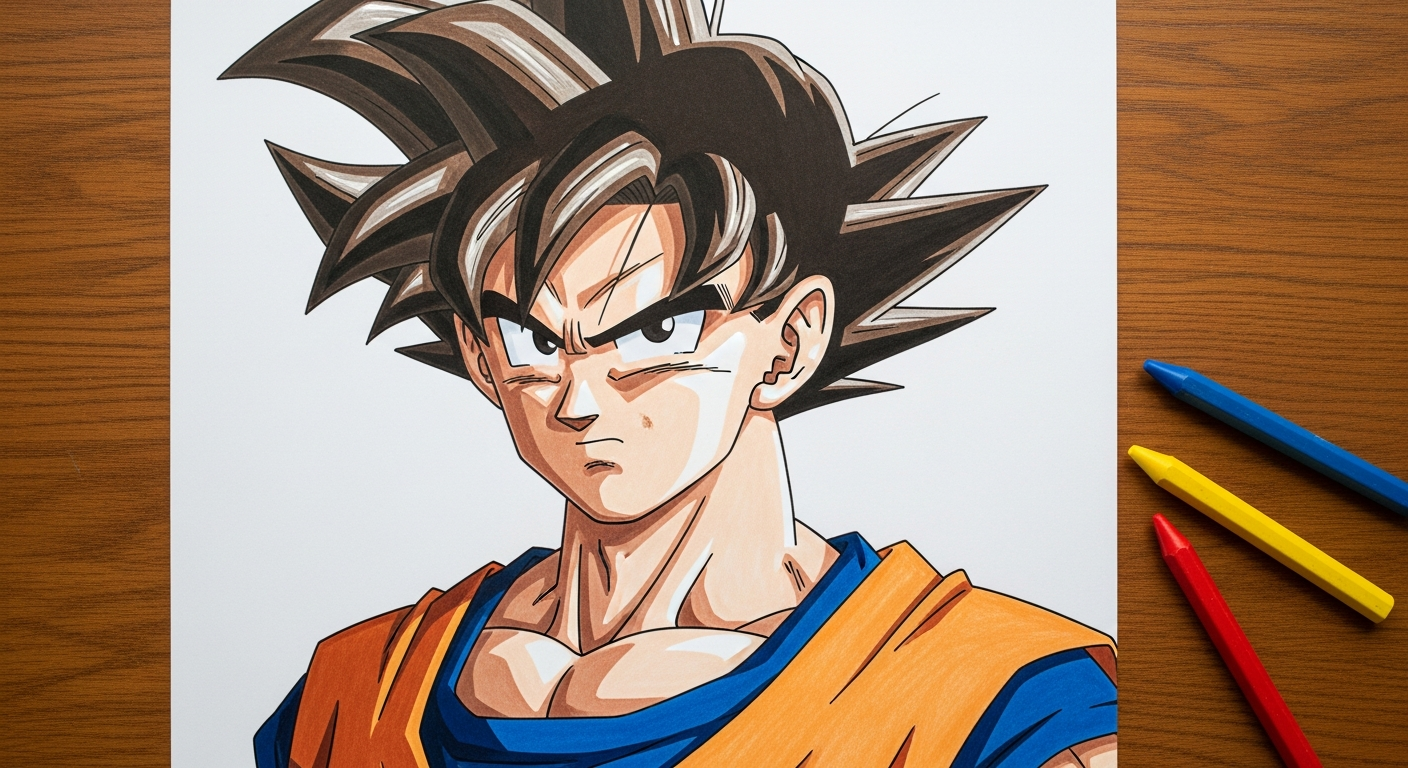
Gamify the learning!
- Activity: Download a complex Anime & Manga Coloring Pages sheet. Hide all crayons except Red, Yellow, and Blue. Challenge them to color the entire character realistically using only those three.
Bonus: Can they make the character’s shadow? (Hint: Don’t use black; use the complementary color! Use Green to shade a Red cape) .
For Tweens & Teens: Texture Mastery
- Activity: Use Sgraffito (scratch art). Color a heavy layer of Yellow, then cover it with heavy Blue. Use a toothpick to scratch designs into the blue, revealing the yellow underneath. This is great for adding scales to dragons in our Fantasy & Mythology Coloring Pages.
Troubleshooting Common Issues
- Problem: The paper is ripping or tearing.
Solution: You are pressing too hard on standard printer paper. For heavy blending, print your YoloColoring pages on cardstock.
- Problem: The colors won’t stick anymore (Wax Bloom).
Solution: The paper’s tooth is full. Gently scrape the drawing with a fingernail to remove excess wax, or use a paper towel to buff it .
- Problem: My Purple looks like mud.
Solution: This is usually due to “warm” reds containing yellow. Try applying the red very lightly, or switch to a “dot” pattern (Pointillism) to mix the colors with your eyes rather than on the paper.
Conclusion
Teaching color mixing with crayons is about more than just art, it’s about resourcefulness. By limiting the tools, you expand the imagination. Your child learns that they don’t need to buy the right color; they can build it.
Ready to test these techniques? Head over to our Home Page, pick a category like Space, Nature, or Disney, and print your canvas. Clear the table, grab those three primary crayons, and watch the magic happen!
Frequently Asked Questions
1. Can I use these techniques with colored pencils?
Yes! Colored pencils are actually easier to layer than crayons because they are harder and more translucent. However, the “Yellow First” rule still applies to keep colors bright .
2. Why does mixing red and blue make brown instead of purple?
Standard “red” crayons often contain a bit of yellow pigment (making them orange-red). When you mix this with blue, the hidden yellow combines with the red and blue to create brown. For a vibrant purple, try using a magenta crayon if available .
3. What is the best paper to print coloring pages on for blending?
Standard copy paper works for light coloring, but for heavy blending and layering, use cardstock or a slightly textured “tooth” paper. This holds more wax layers without ripping .
4. How do I make skin color with primary crayons?
Start with a very light layer of yellow. Add a tiny amount of red to make a pale orange. To darken it for different skin tones, add microscopic amounts of blue or green to create tans and browns.
5. Are there free coloring pages specifically for mixing practice?
Yes! Simple shapes like balloons, fish, or large abstract patterns are best for beginners. Check out the Holiday Coloring Pages (Easter eggs work great!) or Food Coloring Pages on YoloColoring.com.

Sophia Williams is the voice of the YoloColoring community. As our Content Editor, she crafts all the helpful articles, guides, and descriptions you read on the site. She is also our Community Manager, dedicated to connecting with users, celebrating their creations, and fostering a warm, supportive environment for all colorists.