
In a world where food is delivered in minutes and movies stream instantly, the ability to wait is becoming a lost art. We live in an “attention economy” designed to fracture our focus, leaving both children and adults struggling to sit still and finish a single task. But what if the antidote to this modern restlessness was as simple as a box of pencils and a piece of paper?
At YoloColoring, we believe that coloring is more than just a fun pastime, it is a sophisticated tool for cognitive training. By using a method called scaffolding, where you progress from simple images to complex, detailed coloring pages, you can actually rewire your brain to value patience over instant gratification.
Whether you are a parent trying to teach your child focus or an adult looking to reclaim your attention span, this guide will show you how to turn coloring into a practice of profound mindfulness.
Explore our collection of free printable coloring pages to start your journey.
Why Coloring Builds Patience
Patience isn’t just a personality trait; it’s a mental muscle located in the prefrontal cortex, the part of the brain responsible for planning and impulse control. Psychologists distinguish between two systems in our brains:
- The “Hot” System: Emotional, reflexive, and seeks immediate rewards (like checking your phone).
- The “Cool” System: Cognitive, reflective, and capable of delayed gratification (waiting for a bigger reward later).
When you color an intricate design, you are engaging the “Cool” system. You are forcing your brain to slow down and focus on a repetitive motor task. This calms the amygdala (the stress center), reducing anxiety and allowing you to enter a “flow state” where time seems to disappear.
Research, such as the famous “Marshmallow Test,” has shown that the ability to delay gratification is a strong predictor of future success, leading to better academic performance and stress management. Coloring provides a safe, low-stakes environment to train this vital skill.
The Strategy: “Scaffolding” Your Way to Focus
You wouldn’t run a marathon without training, and you shouldn’t start with a hyper-detailed architectural drawing if you struggle with patience. The secret is scaffolding, breaking the learning process into manageable chunks.
Here is the 3-step progression we recommend using YoloColoring’s diverse library of sheets:
Phase 1: The Foundation (Simple Shapes)
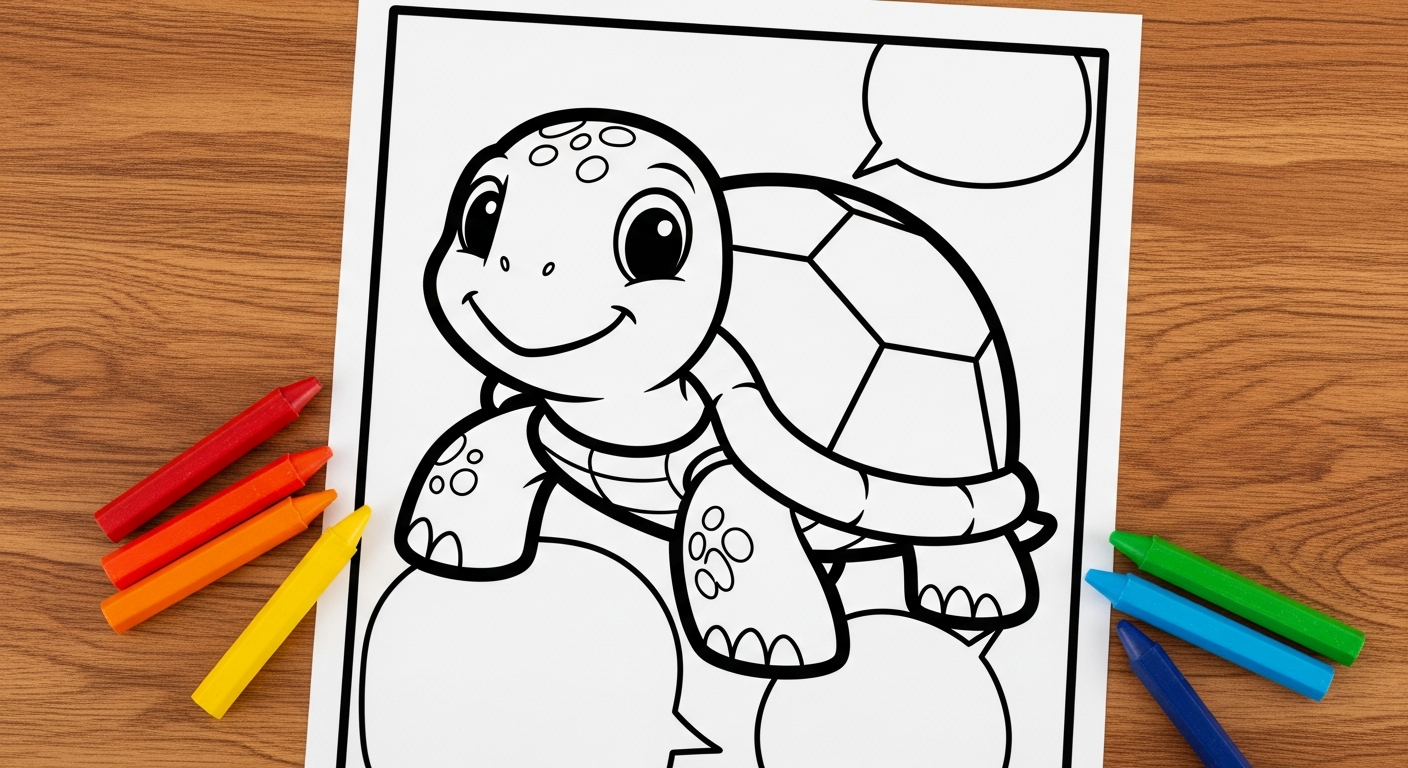
Goal: Build confidence and overcome the fear of starting. Recommended Pages: Large animals, cartoons, or objects with thick outlines.
For beginners or young children, start with images that offer quick wins. This approach is the perfect first step to establishing a quiet time coloring routine for high-energy kids.
- Thick Lines: These act as “bumpers,” reducing the stress of going outside the lines and making the task feel achievable.
- The 10-Minute Rule: If sitting still is hard, set a timer for just 10 minutes. Tell yourself (or your child), “We don’t have to finish. We just color for 10 minutes.” This lowers the stakes and often leads to longer sessions once focus kicks in.
Phase 2: The Bridge (Mandalas and Patterns)
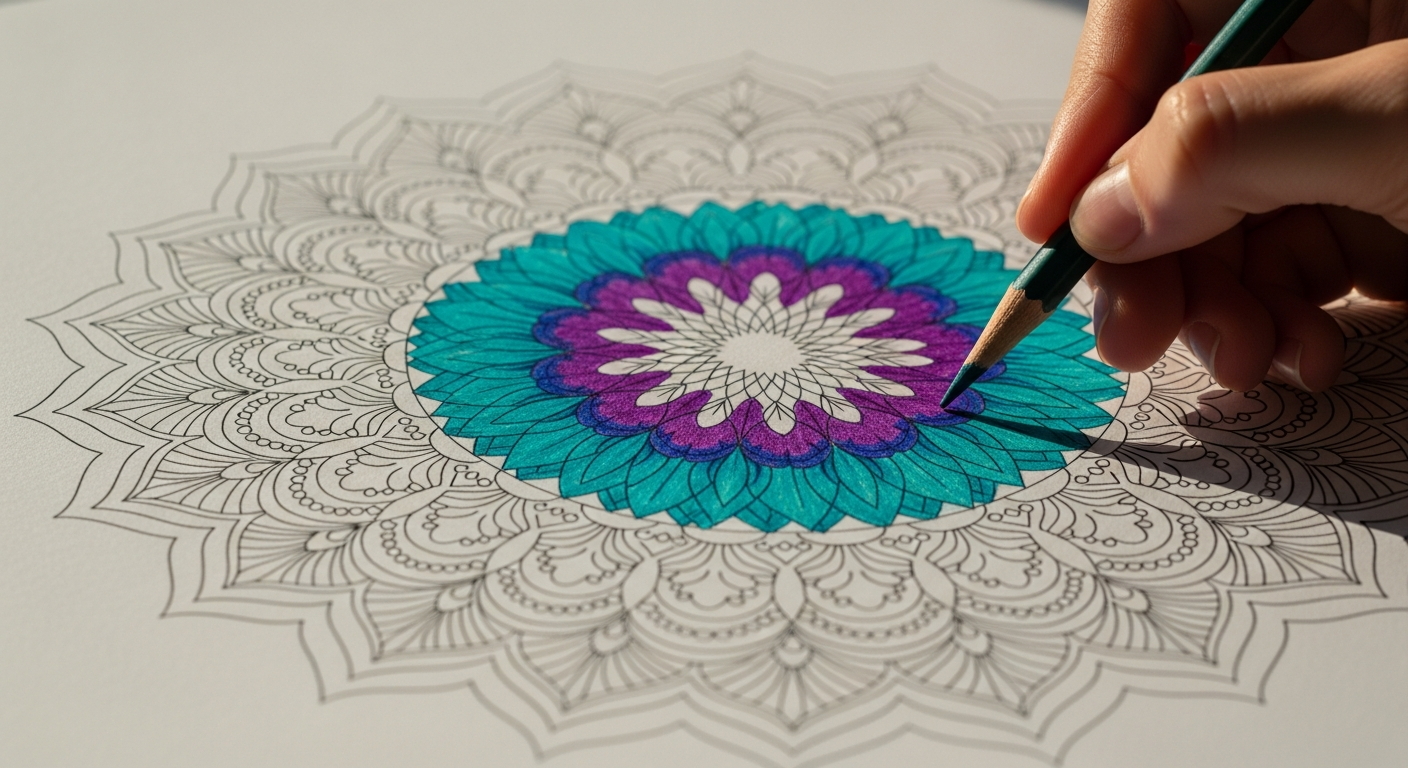
Goal: Establish rhythm and enter the “Flow State.” Recommended Pages: Mandalas, tessellations, and repeating patterns.
Once you are comfortable with the basics, move to mandalas.
- Predictability: Mandalas are symmetrical. Once you choose a color for one section, you know the matching sections will be the same. This reduces “decision fatigue” and allows you to settle into a meditative rhythm.
- Centering: Working from the center outward provides a visual progress bar. Seeing the design expand gives a sense of accomplishment that fuels you to keep going.
Phase 3: The Mastery (Intricate Detail)
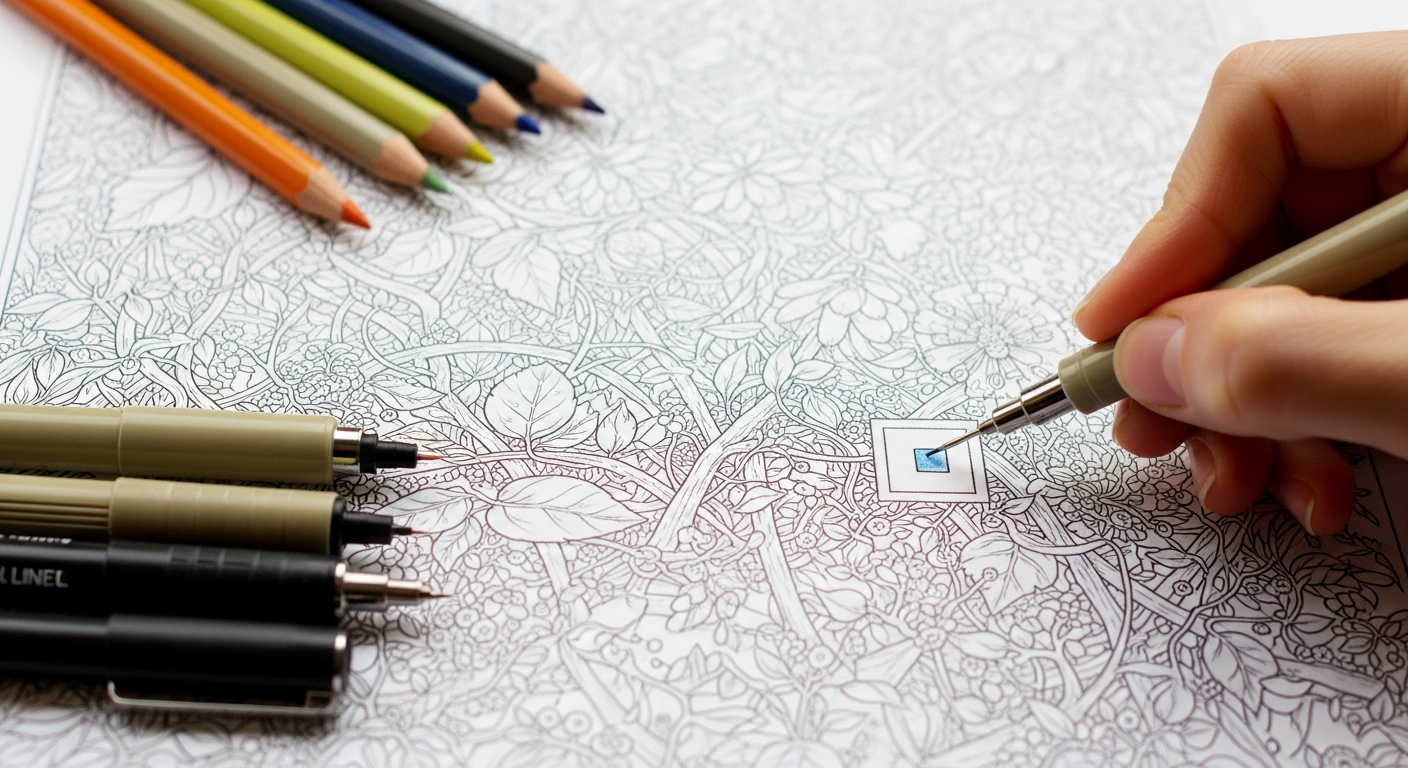
Goal: Deep delayed gratification and resilience. Recommended Pages: Detailed cityscapes, “Hidden Garden” scenes, and realistic portraits.
This is the expert level. These pages cannot be finished in one sitting.
- Chunking: Use a blank sheet of paper to cover 75% of the image, revealing only the small section you are working on. This prevents overwhelm and helps you focus on the micro-details.
- The Multi-Day Commitment: Working on a single page for a week teaches you that great results require sustained effort over time, the very definition of delayed gratification.
Technical Skills That Enforce Slowness
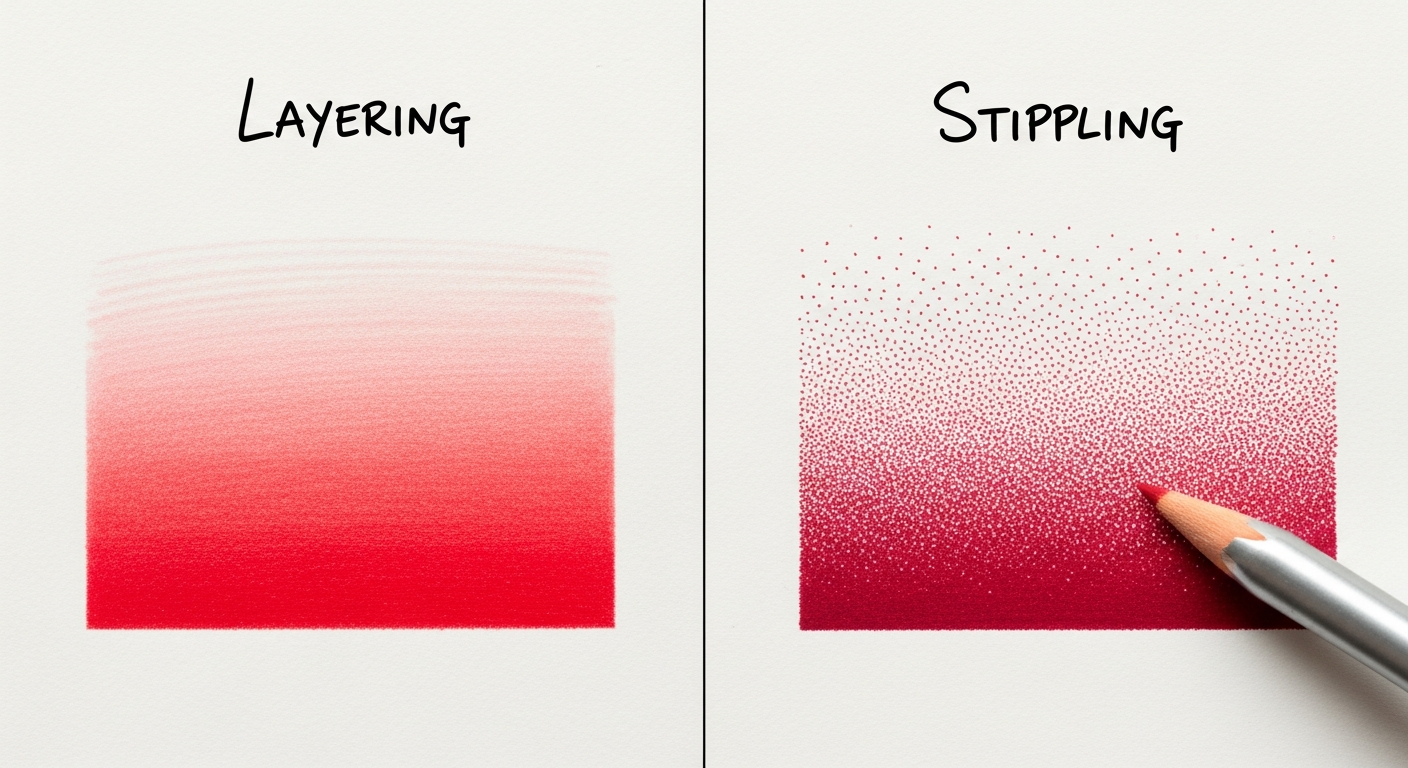
To truly master patience, you can adopt art techniques that require you to slow down. The medium itself becomes the teacher.
1. The Art of Layering
Beginners often press hard to get bright colors quickly (instant gratification). However, this creates a waxy buildup known as “wax bloom”. The patient artist uses layering.
- How to do it: Hold the pencil further back for a light touch. Apply a whisper-light layer of color. Repeat this 10 to 20 times to build up a rich, deep hue.
- The Lesson: Depth comes from accumulation, not force. This technique physically prevents rushing.
2. Stippling (Dotwork)
Stippling is the ultimate test of focus. Instead of coloring with lines, you use thousands of tiny dots.
- How to do it: Use a fine-liner pen. Tap gently to create dots. To make an area darker, add more dots rather than pressing harder.
- The Lesson: You cannot rush stippling; if you speed up, the dots become messy dashes. It forces you to synchronize your hand and your breath.
Mindfulness: Breathing Color
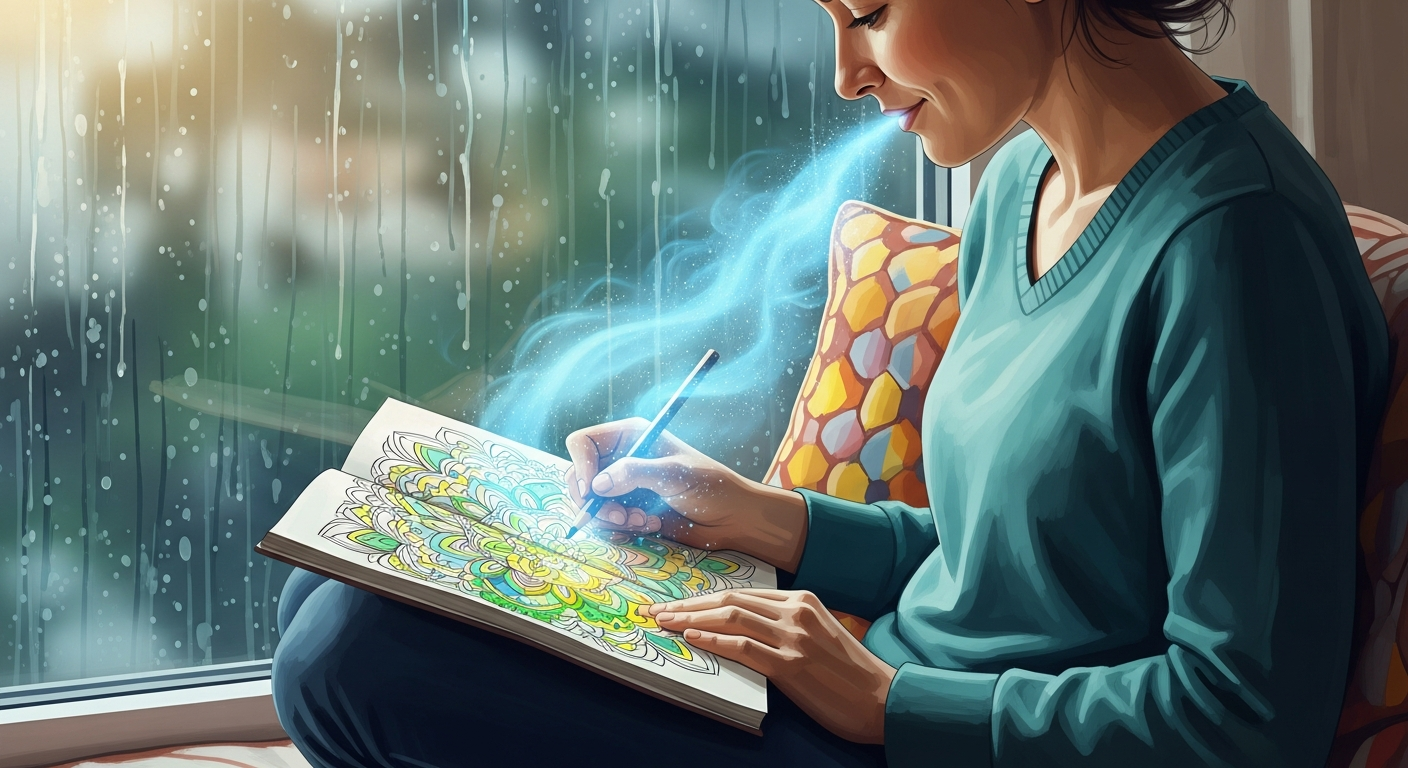
To deepen the focus, combine coloring with breathwork. This “Color Breathing” technique is excellent for reducing anxiety.
- Inhale (4 counts): Visualize a calming color (like Blue) entering your body.
- Hold (2 counts): Feel the focus gathering.
- Exhale (4 counts): Only color the paper during the exhale. Stop coloring when you inhale.
By physically linking your hand movement to your breath, you prevent frantic scribbling and ground yourself in the present moment.
Troubleshooting: Dealing with Frustration
Even with the best intentions, frustration happens. Here is how to handle common obstacles:
- Hand Fatigue: If your hand cramps, you are gripping too tight (a sign of mental tension). Switch to an “overhand grip” (holding the pencil like a wand) to loosen up.
- The “Ugly” Stage: Every art piece has a middle stage where it looks messy. Do not quit! Trust the process. Use a “finder” (a piece of paper with a square cut out) to isolate a small, pretty section to focus on.
- Wax Bloom: If a white haze appears on your dark colors, don’t panic. It’s just the wax rising to the surface. Gently wipe it with a soft cloth or cotton ball.
Conclusion
Teaching patience through coloring is not about forcing yourself to sit still; it is about discovering the joy of the process. By starting with simple YoloColoring pages and gradually challenging yourself with intricate designs, you build a “patience muscle” that serves you in every area of life.
Remember, the goal is not just a finished picture, it is a calmer, more focused you. So, download your first scaffolding page today, sharpen your pencils, and embrace the slow, beautiful journey of coloring.
Frequently Asked Questions (FAQ)
1. How long does it take to improve focus through coloring?
You don’t need hours a day. Research suggests that even 10 to 20 minutes of mindful coloring can significantly reduce anxiety and improve attention span. Consistency is more important than duration.
2. What if I make a mistake and go outside the lines?
Embrace it! Perfectionism is the enemy of patience. You can use a white gel pen to cover small mistakes, or thicken the outline with a black marker to hide it. Learning to fix errors calmly is part of the resilience training.
3. Which coloring tools are best for beginners?
For “Phase 1” (Simple Shapes), alcohol markers or crayons are great because they offer instant, vibrant color. For “Phase 3” (Detail), switch to colored pencils (like Prismacolor or Faber-Castell) because they allow for the slow layering techniques that build patience.
4. Can adults really benefit from “simple” coloring pages?
Absolutely. Sometimes a complex page causes more stress. If you are feeling burnt out, returning to a “Phase 1” simple page can provide a quick, satisfying dopamine hit without the cognitive load of a complex mandala.

Sophia Williams is the voice of the YoloColoring community. As our Content Editor, she crafts all the helpful articles, guides, and descriptions you read on the site. She is also our Community Manager, dedicated to connecting with users, celebrating their creations, and fostering a warm, supportive environment for all colorists.