Before your toddler can write their A-B-Cs, they need to build up the tiny muscles in their hands. In fact, learning to write starts with strengthening hands, fingers, and wrists – what experts call fine motor skills. The surprise hero of this story? Coloring. Handing your child a crayon and a coloring book isn’t just a fun pastime; it’s like sneaking in a workout for those little hands. As one occupational therapist notes, completing a coloring page is “a workout for the hand and arm,” helping kids develop strength and endurance in their fingers, palms, and forearms. And the best part – toddlers love it, so they build pre-writing skills without even knowing they’re “working out.”
The Science of the “Tripod Grip”
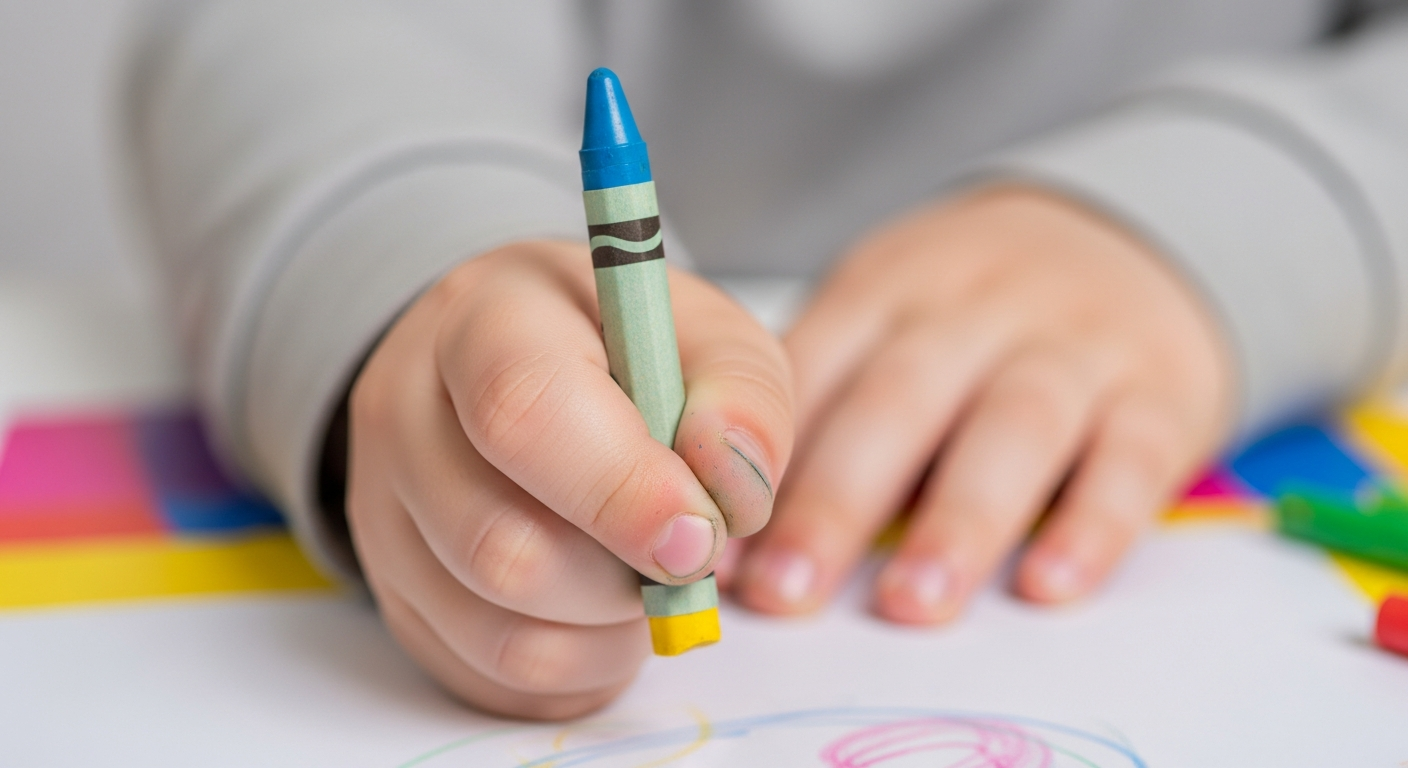
If you’ve ever watched your little one fist a crayon and scribble wildly, you’ve seen the starting point of writing development. Young toddlers begin with a fist grip, using their whole hand and arm to make marks. Over time (and with practice), they naturally progress toward a more refined hold. The goal is the dynamic tripod grip – using the thumb, index, and middle finger to control a crayon or pencil with precision. In this mature grip, the fingers do the fine movements (not the whole arm), giving children better control for drawing and eventually writing letters.
Coloring helps bridge the gap from that clumsy fist grip to a proper writing hold. Every time your child picks up a crayon, they practice finger coordination and hand strength needed for a tripod grip. Frequent coloring and drawing play actually encourage the tripod grasp to develop naturally. You might notice your 3 or 4-year-old gradually moving from holding a crayon in a fist to pinching it between fingers – a sign those muscles are strengthening. A handy trick: try giving your toddler short or broken crayons. With a short crayon, there’s no room to hold it with a full fist, so little artists instinctively use their fingers, which promotes a proper grip. (In other words, snapping crayons in half is not a bad thing – it’s an OT-approved hack!)
Most children hit the tripod grip milestone around age 4-6, but remember every child develops at their own pace. The key is gentle practice. By letting toddlers color freely, you’re providing pre-writing activities that build the exact muscles and coordination they’ll use to write letters. They’re having fun and gearing up for writing success – a win-win!
Hand-Eye Coordination: Staying Inside the Lines
Coloring inside the lines is more than just an exercise in neatness – it’s a brain workout for coordination and focus. When your toddler tries to color within a bordered shape (even if the results are adorably messy at first), they’re practicing hand-eye coordination in a big way. Their eyes are learning to guide their hand movements – the very same skill they’ll need to draw shapes and write letters on paper. In fact, targeting those little coloring spaces and staying (mostly) inside the lines strengthens visual-motor skills and spatial awareness.
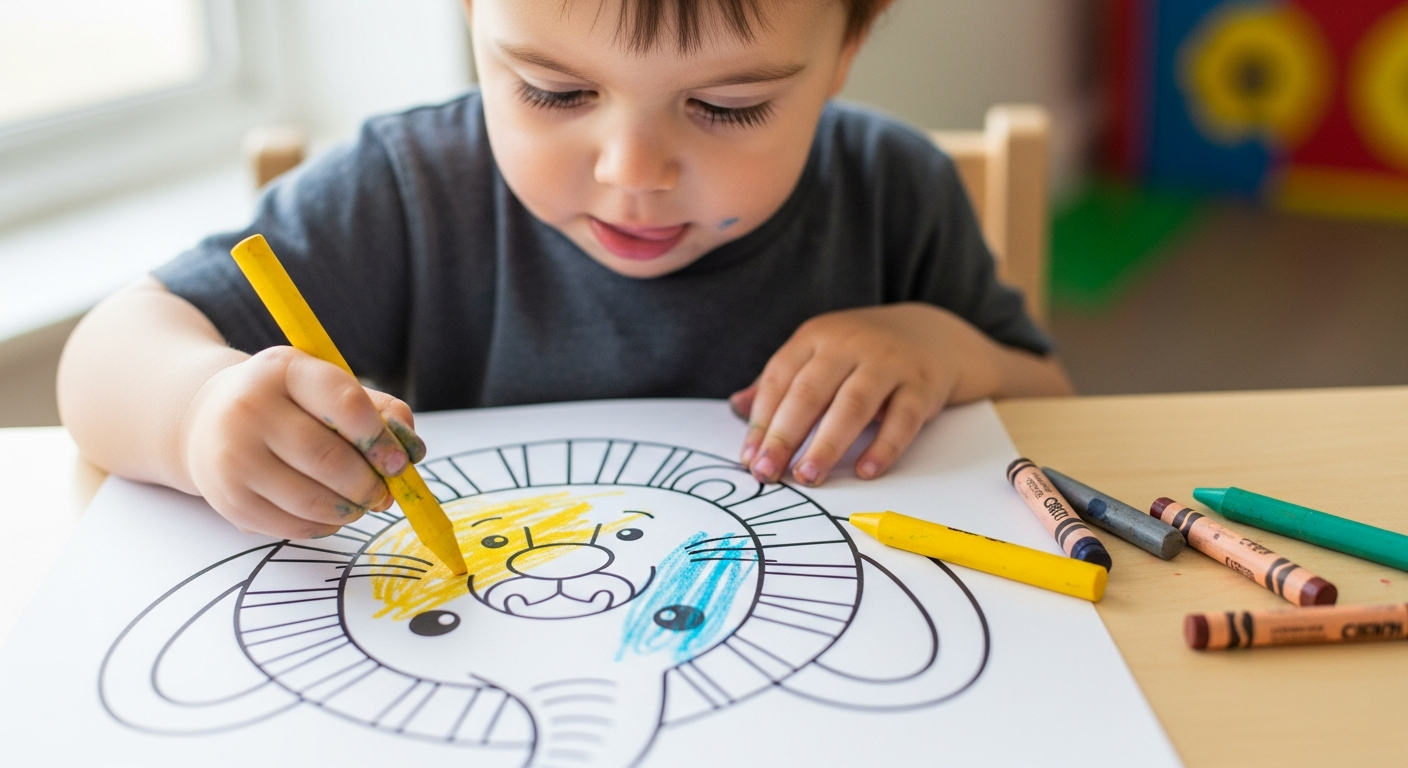
Think of it like laying down neural pathways: every careful stroke that (almost) follows a line is training the brain’s connection between what it sees and what the hand does. This is often called visual motor integration, and it’s crucial for writing. Down the road, your child will need to move a pencil from the top of a line to the bottom without veering off – coloring gives them an early chance to practice that in a fun, low-pressure way.
What’s happening behind the scenes? Your toddler’s brain is planning movements, adjusting grip pressure, and judging distances – all while choosing crayon colors! This helps build focus and self-control too. Research has noted that the progression from wild scribbling to more controlled coloring is one of the first signs of kids understanding structure and rules. So when they pause and concentrate to “stay in the lines,” they’re exercising patience and planning. Over time, you’ll see scribbles turn into more defined coloring as their coordination improves. Encourage this by celebrating their effort, not perfection. Every attempt at coloring within the lines is secretly wiring them up for writing later on.
Actionable Tips: Fun Coloring Activities to Boost Pre-Writing Skills
Coloring offers huge benefits for toddlers – now, here are some practical ways to make the most of this pre-writing workout. Try these tips to build your child’s hand strength, coordination, and confidence (all while they simply think they’re playing with colors):
Start Simple with Big, Bold Pictures
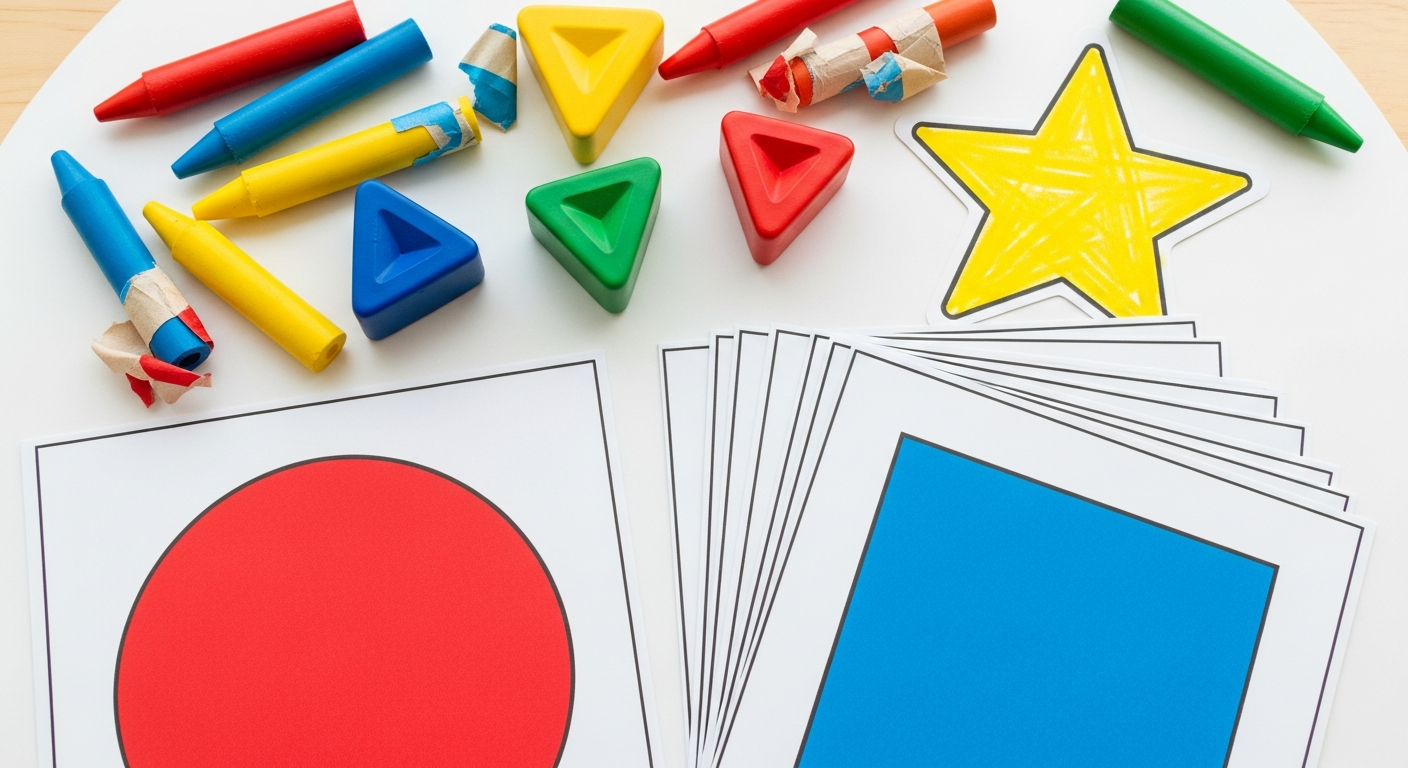
Choose coloring pages that have thick outlines and large simple shapes. Bold borders help little hands stay on track and give a clear target for coloring. For example, start with a big happy face, a chunky car, or a simple butterfly with thick black edges. These types of pages let toddlers scribble away without getting frustrated by tiny details. The large coloring areas encourage them to use their whole arm and hand – great for building overall arm stability and hand strength. As a bonus, finishing a simple picture boosts their confidence (“I colored the whole thing!”).
Gradually Introduce More Detail
Once your child has mastered simple shapes, offer coloring pages with slightly smaller spaces or more detail – maybe a cartoon animal or a favorite character with a couple of big sections. This gently challenges their fine motor skills. They’ll practice more precise crayon strokes as they fill in medium-sized areas, which strengthens those finger muscles further. Over time, you can work toward pages with multiple smaller sections. By increasing the complexity bit by bit, you’re effectively upping the “weights” in their hand workout, improving endurance and control. Remember to keep it fun – if a page is too detailed and causes frustration, scale back to easier ones to keep them motivated.
Encourage the Tripod Grip (Playfully)
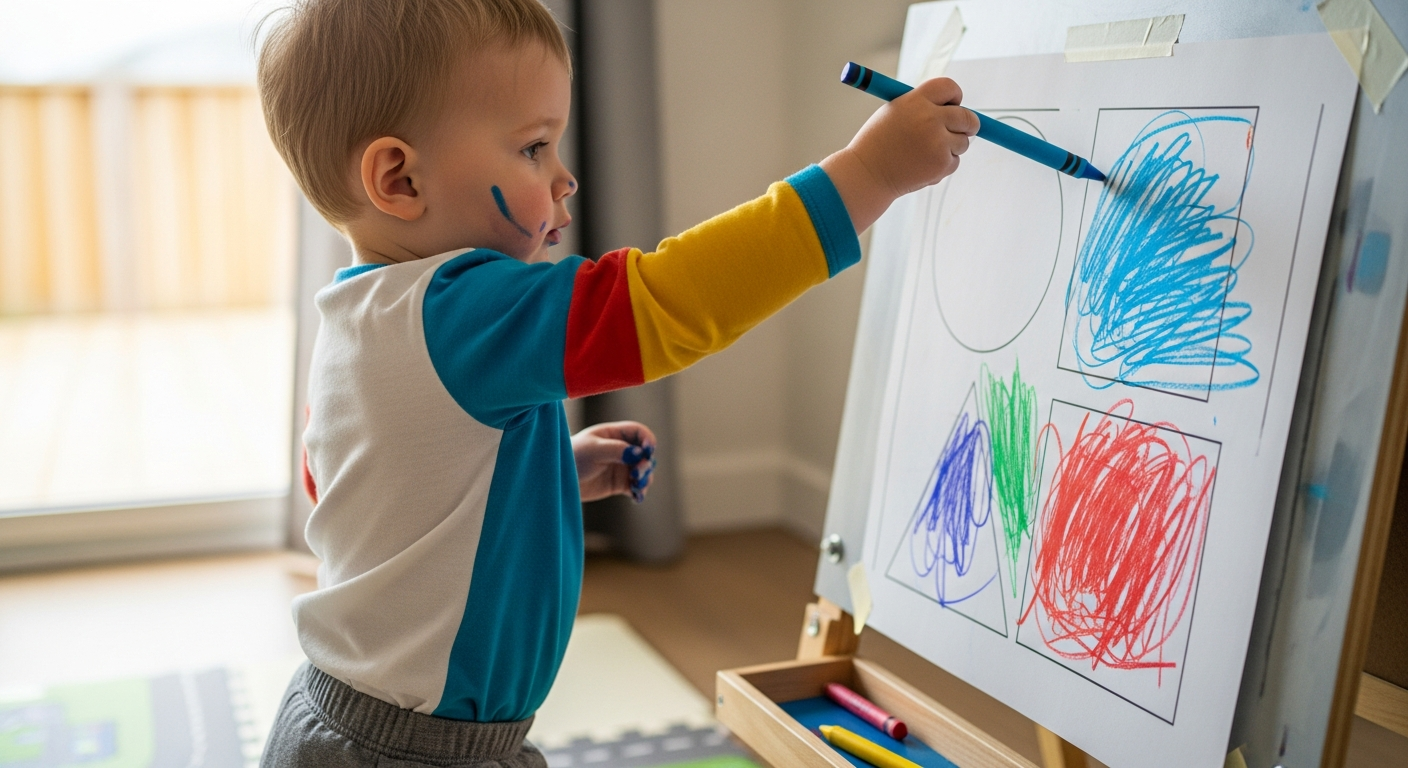
The way your child holds a crayon matters for building writing muscles. Encourage a pinch grip (thumb and first two fingers) by using short crayons or chalk pieces. Hand them a small crayon nub and watch how they automatically use a thumb-and-finger grasp instead of a fist. You can make it a game: “Can you hold it like a little bird picking up a seed?” Additionally, triangular crayons or pencil grips can guide finger placement naturally. During coloring time, gently remind (or better, show by example) how to hold the crayon “like a writer.” But keep it light – praise their awesome drawings more than the grip itself, so they don’t feel corrected all the time. With repetition, the tripod grip will come as their hand gets stronger.
Use Variety to Build Hand Strength
Just like adults cross-train different muscle groups, kids should try different coloring mediums to exercise all their hand muscles. Swap in different coloring tools – crayons, chalk, washable markers, even finger crayons. Coloring with sidewalk chalk on an upright surface (like a chalkboard or paper taped to the wall) can strengthen the shoulder and wrist (which provide the stability for the fingers). Coloring with a q-tip dipped in paint or using dot markers can mix things up too. Each tool or medium engages the hand in a slightly different way, developing a well-rounded range of motion and strength. Plus, new materials keep curious toddlers engaged longer, which means more practice time.
Keep Sessions Short & Fun
Toddlers have short attention spans (a few minutes per year of age, generally). Instead of long coloring marathons, do brief but frequent coloring sessions. For example, a 3-year-old might do 10 minutes of coloring in the morning and ask for it again later in the day. These mini-sessions prevent tiredness and keep coloring enjoyable. You can set small goals: “Let’s color just these three balloons” or “Fill the circle with blue.” Stop before they get bored or frustrated, so they always end on a positive note. Praise their effort (“Wow, you used so many colors” or “I see you worked really hard on staying in the lines here!”) to reinforce that they’re doing a great job. By making coloring a beloved routine, you’re ensuring they get tons of pre-writing practice willingly.
Throughout all these activities, remember that every child develops at their own pace. The aim is to expose them to fun pre-writing activities like coloring so they can develop fine motor skills and hand strength naturally, without pressure. Keep things warm, encouraging, and tuned into your child’s interest. One day you’ll notice that those crayon scribbles have turned into careful coloring – and that means their little hands are getting ready for the next big milestone: writing!
Conclusion
Coloring is more than just busywork for your toddler – it’s secretly strength training, coordination practice, and pre-writing drill all in one. By encouraging your child to color, you’re giving them a colorful head start on skills like pencil grip, focus, and hand control that make learning to write so much easier. The best part is that they’re having fun while building these abilities, which is exactly how learning in early childhood should be.
Ready to put this into action? Grab some crayons and let the magic begin! As a next step, we’ve got a special freebie to help you out. Download our free Toddler Coloring Starter Pack [internal link] – a hand-picked set of simple, fun coloring pages with big shapes and bold lines perfect for little hands. Print them out and watch your child dive into coloring joy. Join them in the activity, talk about the colors and shapes, and most of all, celebrate every squiggle and stroke. By making coloring a happy, regular part of your routine, you’re setting your toddler up for writing success in the future.
Happy coloring, and enjoy this precious time strengthening those tiny hands and big imaginations! Here’s to many colorful adventures ahead.

Sophia Williams is the voice of the YoloColoring community. As our Content Editor, she crafts all the helpful articles, guides, and descriptions you read on the site. She is also our Community Manager, dedicated to connecting with users, celebrating their creations, and fostering a warm, supportive environment for all colorists.