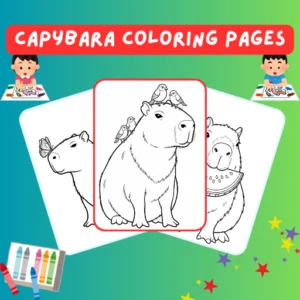
Welcome to the relaxed, riverside world of the Amazon! This collection invites young artists to explore the gentle charm of the animal kingdom’s most famous “chill” icon. The Capybara Coloring Pages curated here capture more than just the outline of a rodent; they capture a mood. From the gentle curve of their boxy snouts to the peaceful, heavy-lidded expression that suggests a permanent state of meditation, every design offers a unique artistic challenge.
One might find a capybara wading through calm waters, requiring a steady hand to trace the ripples, or perhaps a scene featuring a mother capybara with her pups, demanding soft, warm hues to portray family affection. Whether the artist chooses to focus on the intricate details of the surrounding rainforest foliage or the simple, sturdy geometry of the capybara itself, these pages provide a canvas for creativity to flourish. It is time to grab the earthiest browns and the brightest greens to bring these peaceful giants to life.
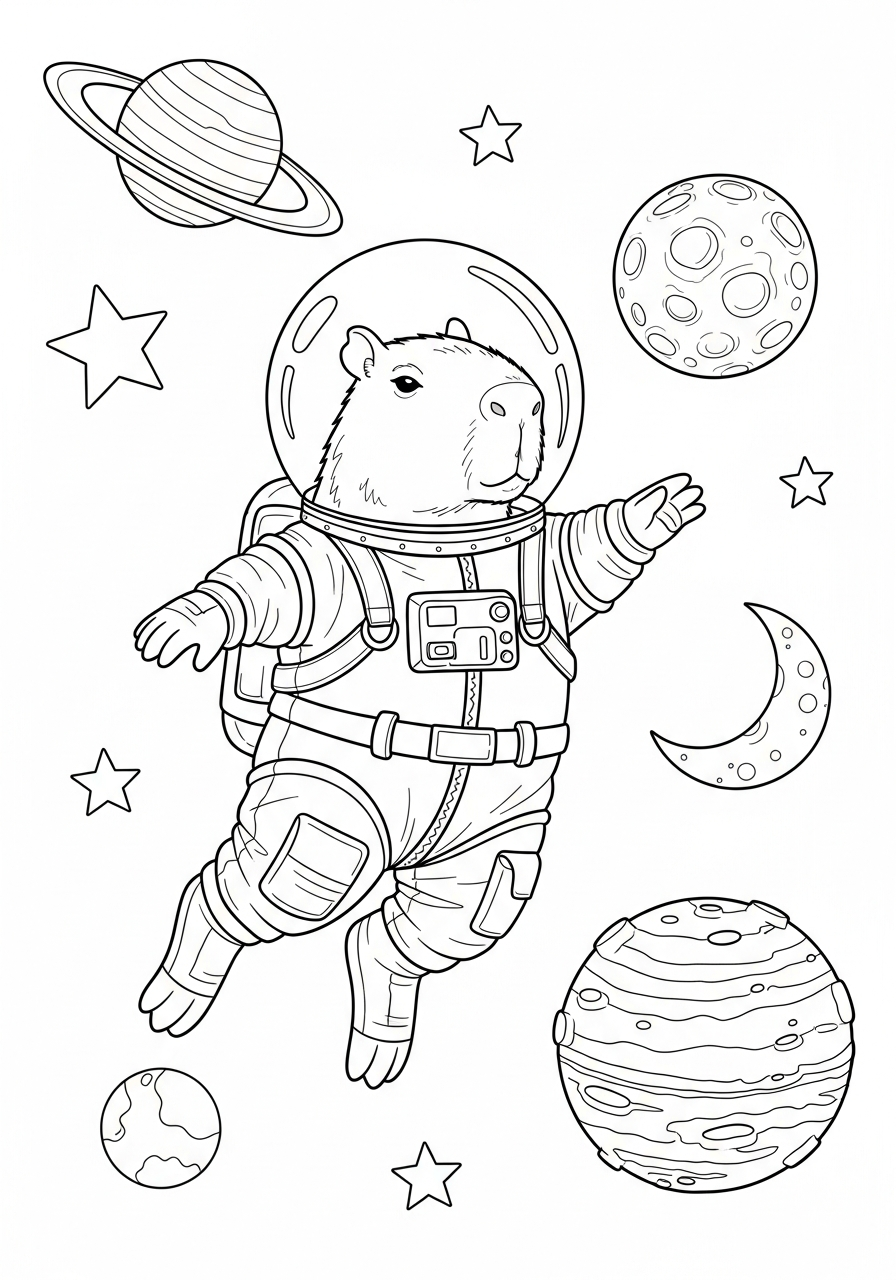
Astronaut capybara in space
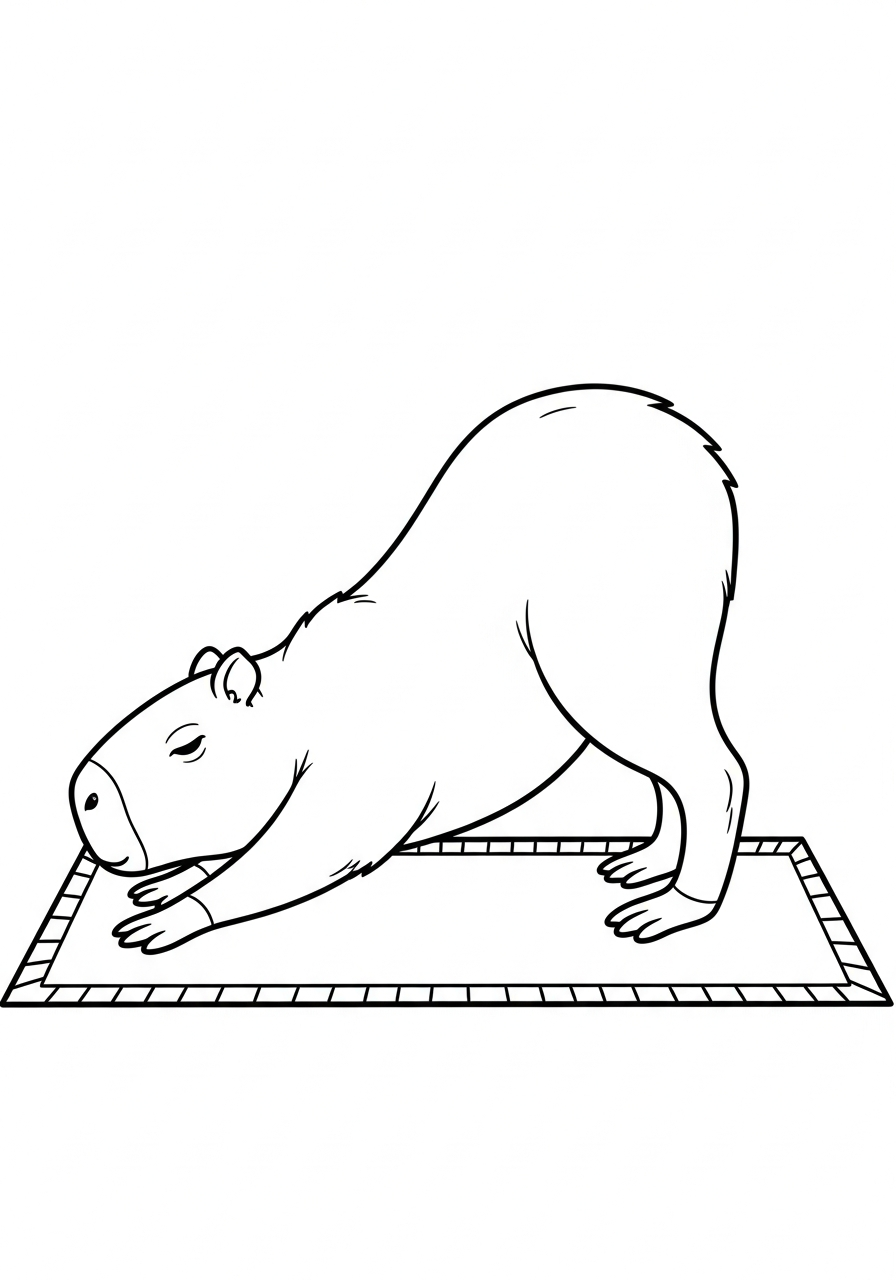
Capybara doing yoga pose
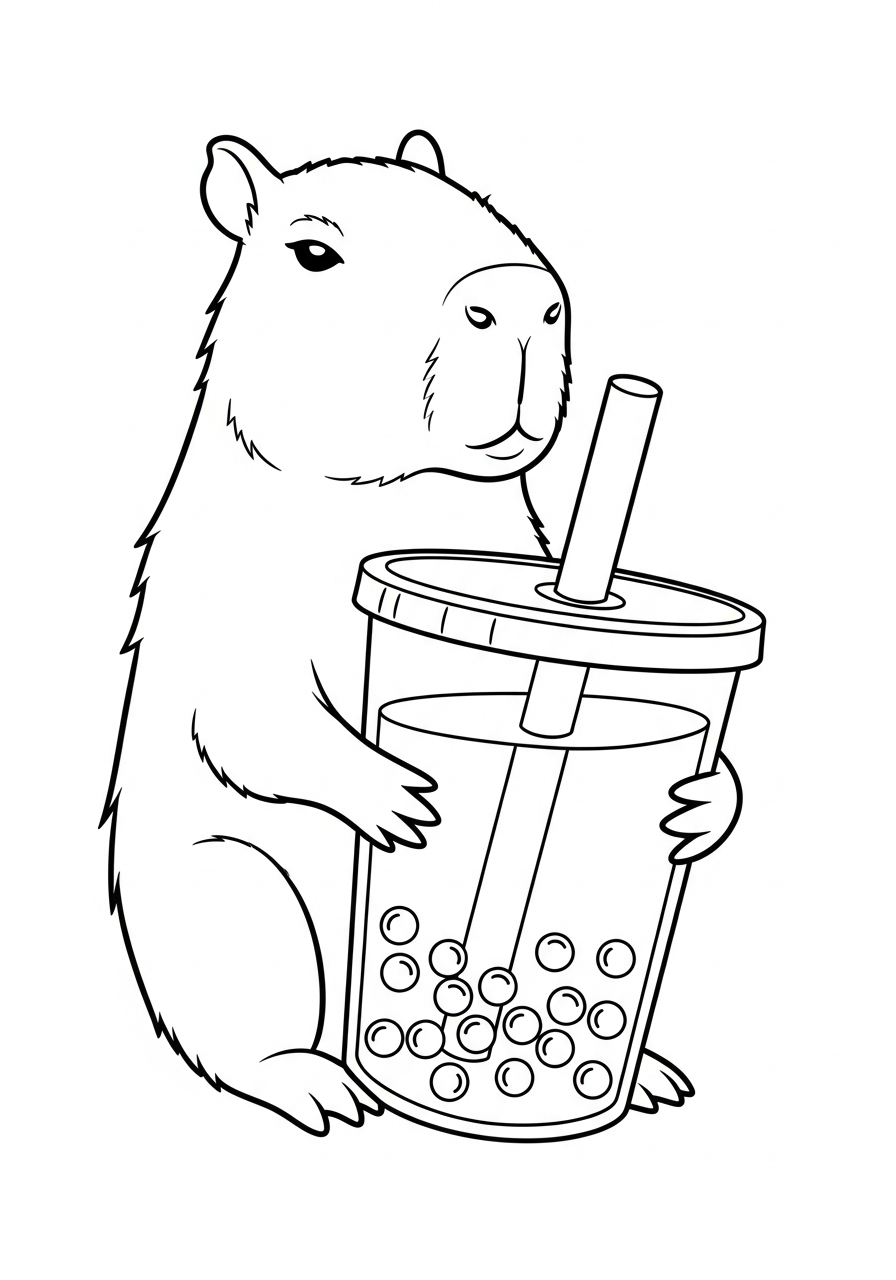
Capybara drinking boba tea
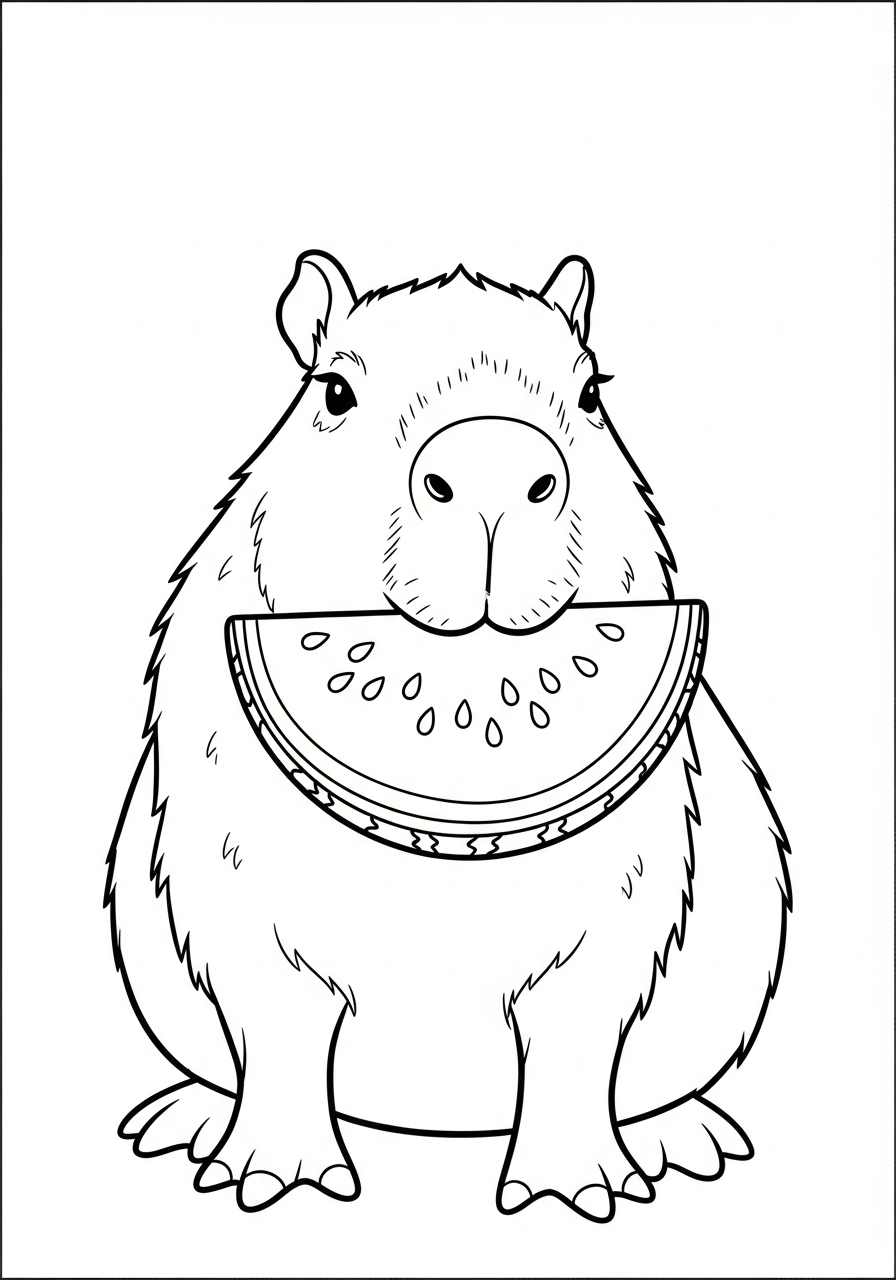
Capybara eating watermelon slice
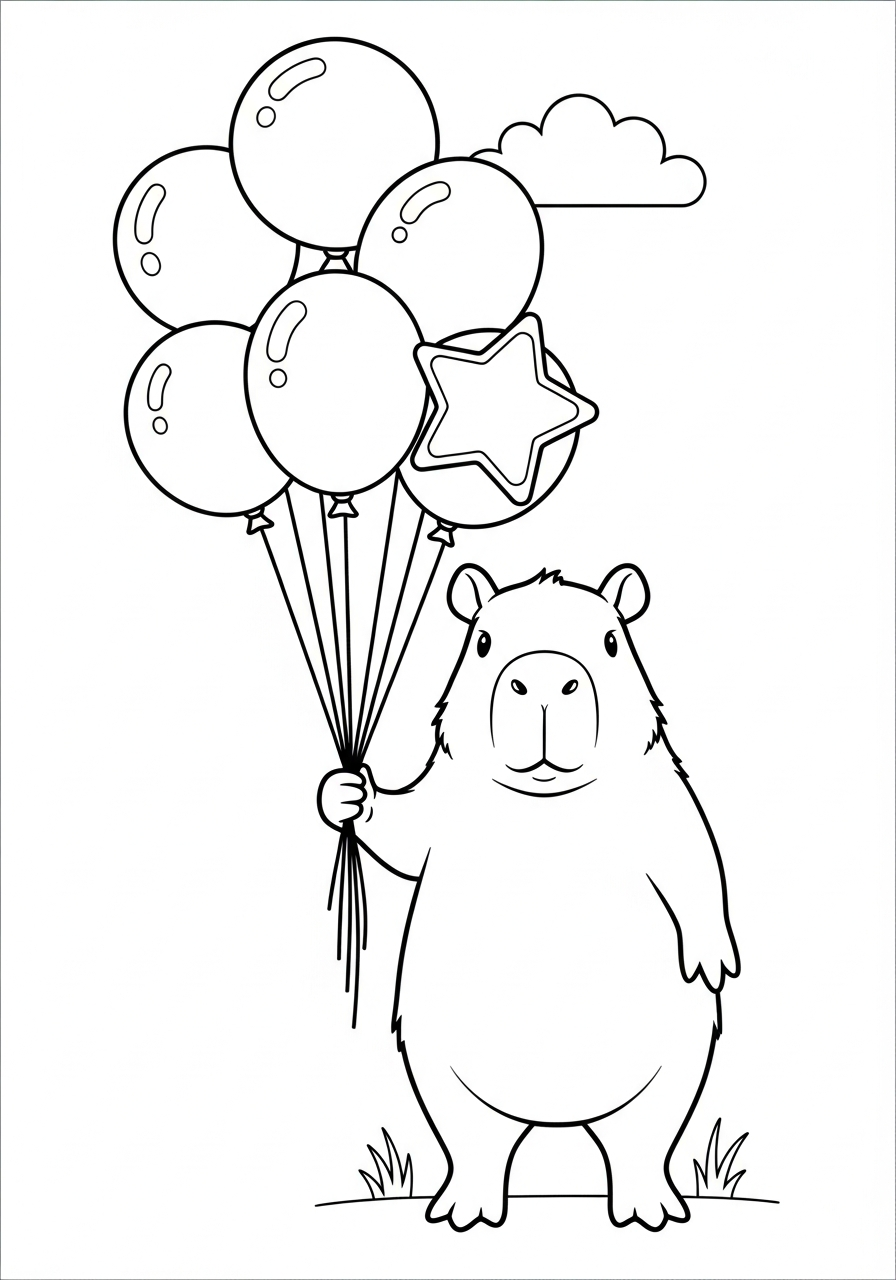
Capybara holding floating balloons
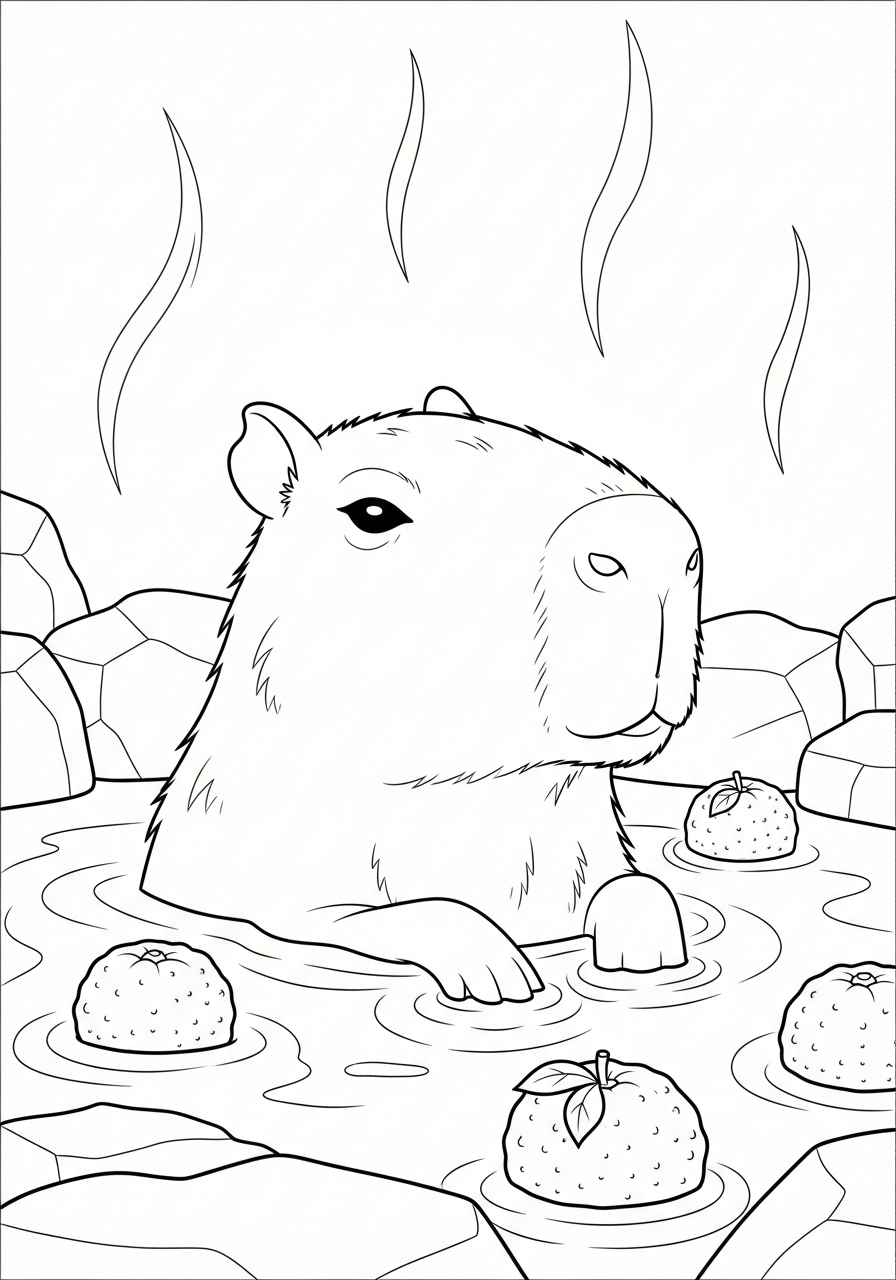
Capybara in hot spring bath
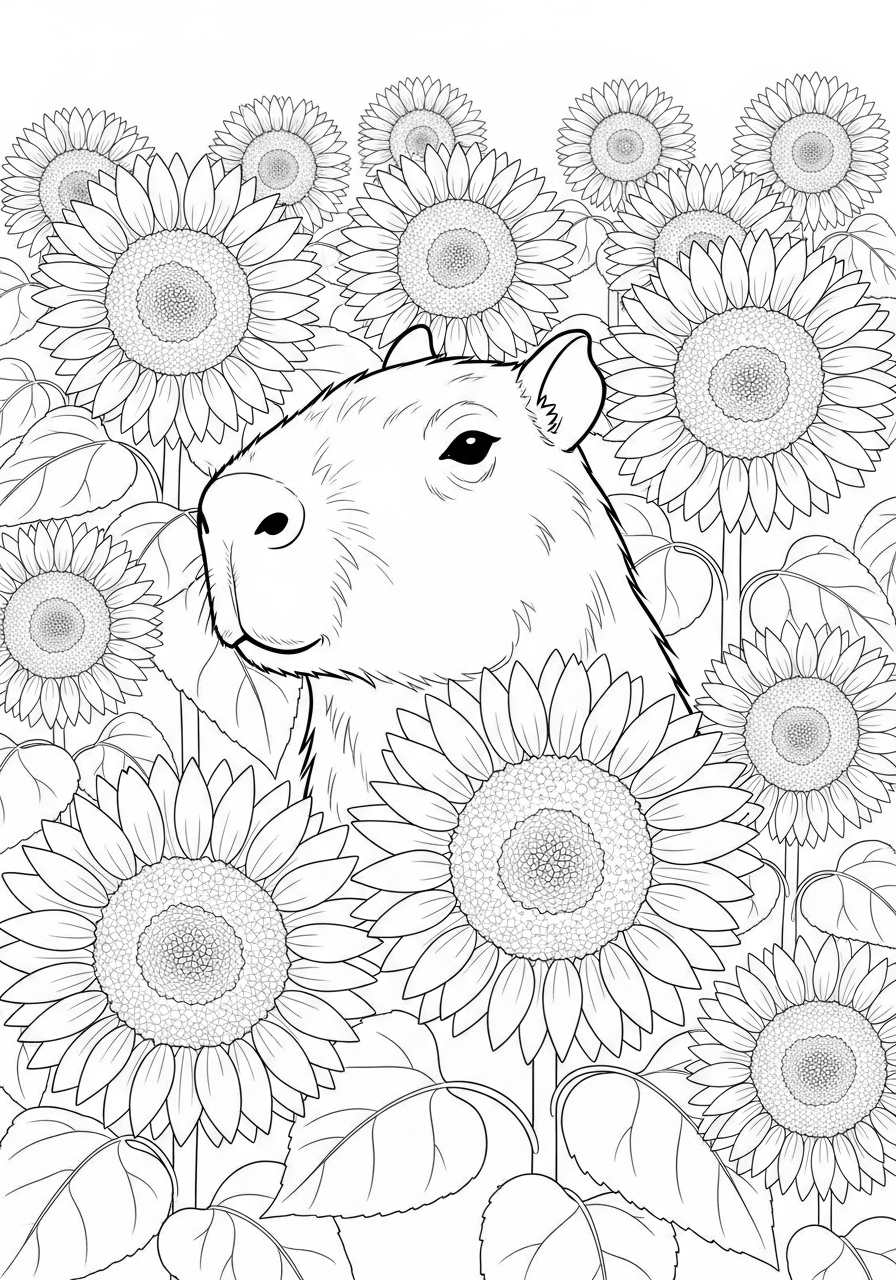
Capybara in sunflower field
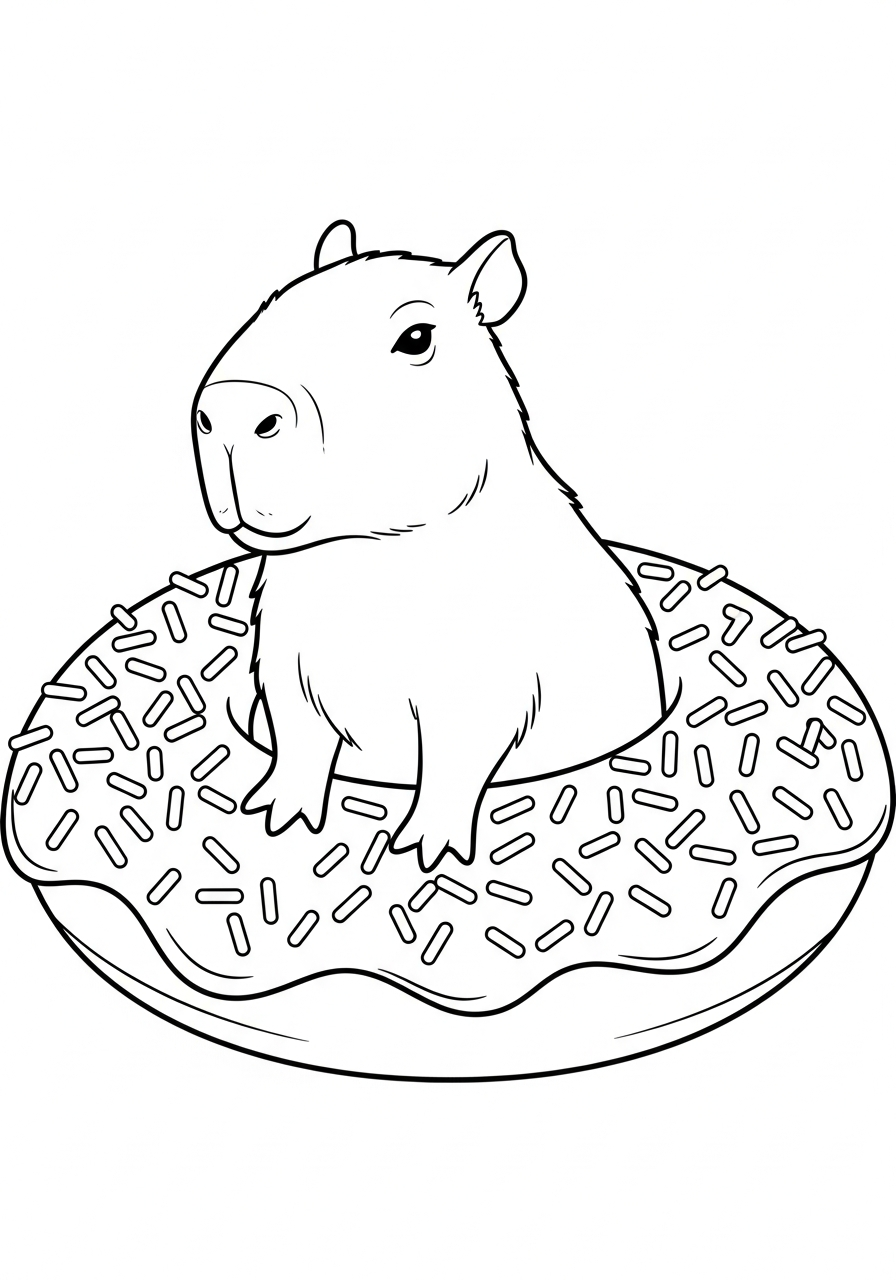
Capybara inside giant donut
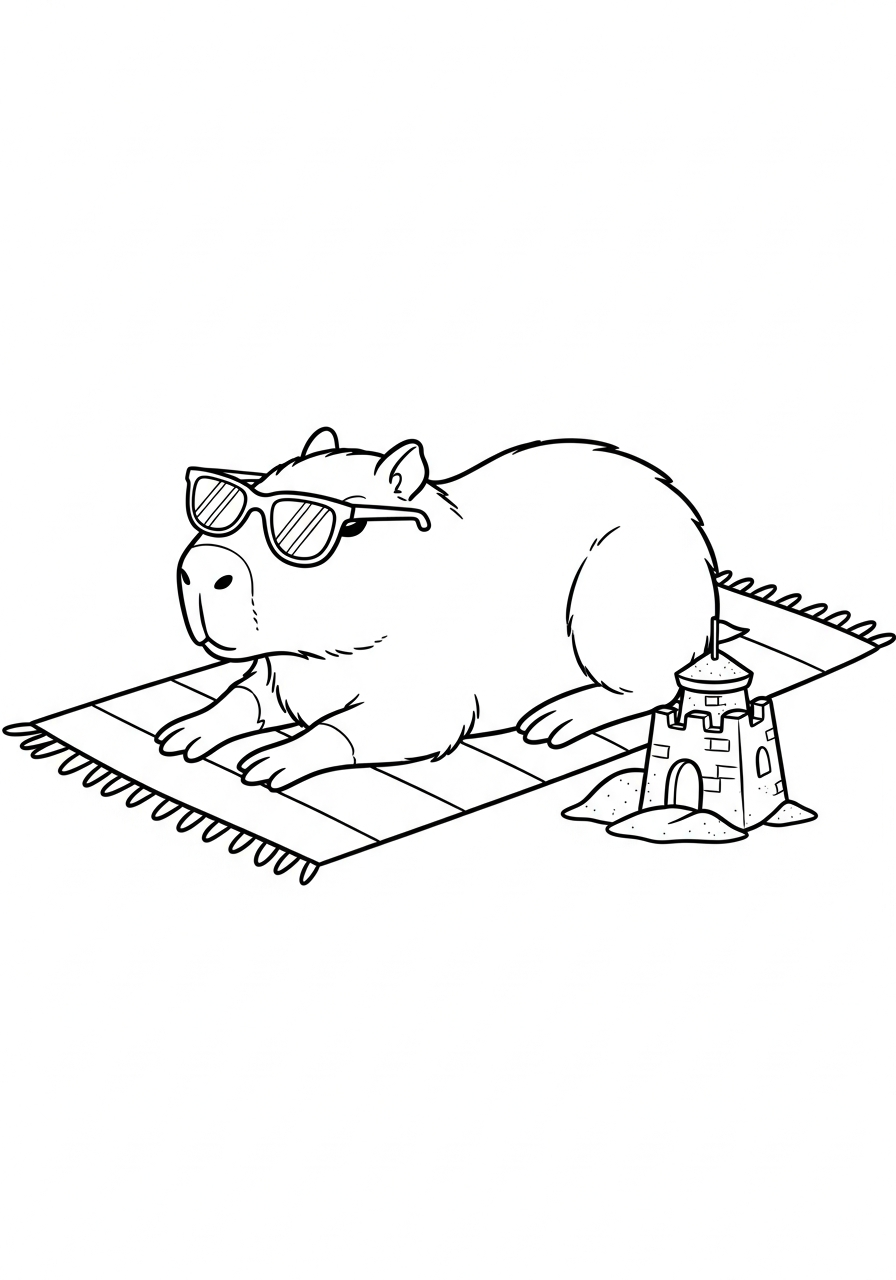
Capybara relaxing on beach
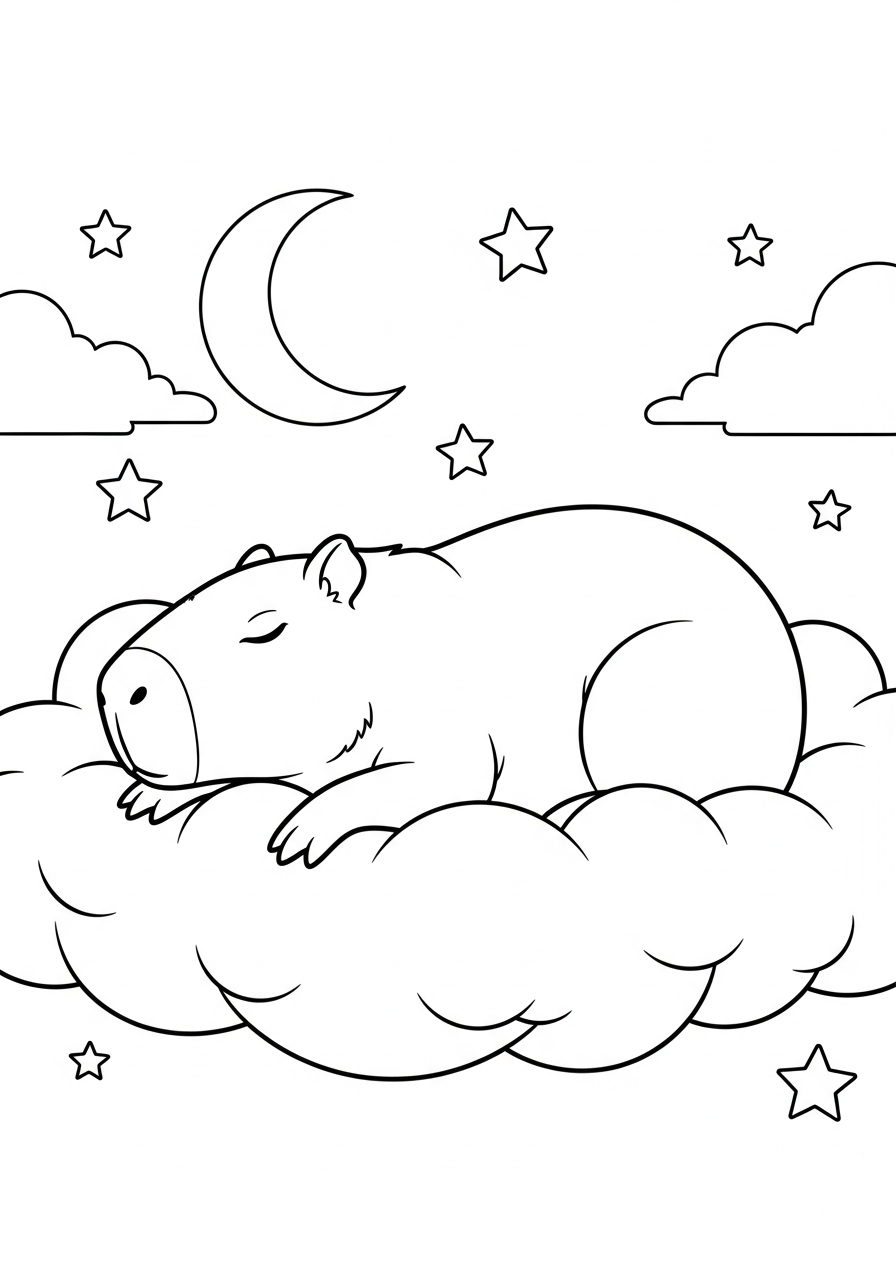
Capybara sleeping on cloud
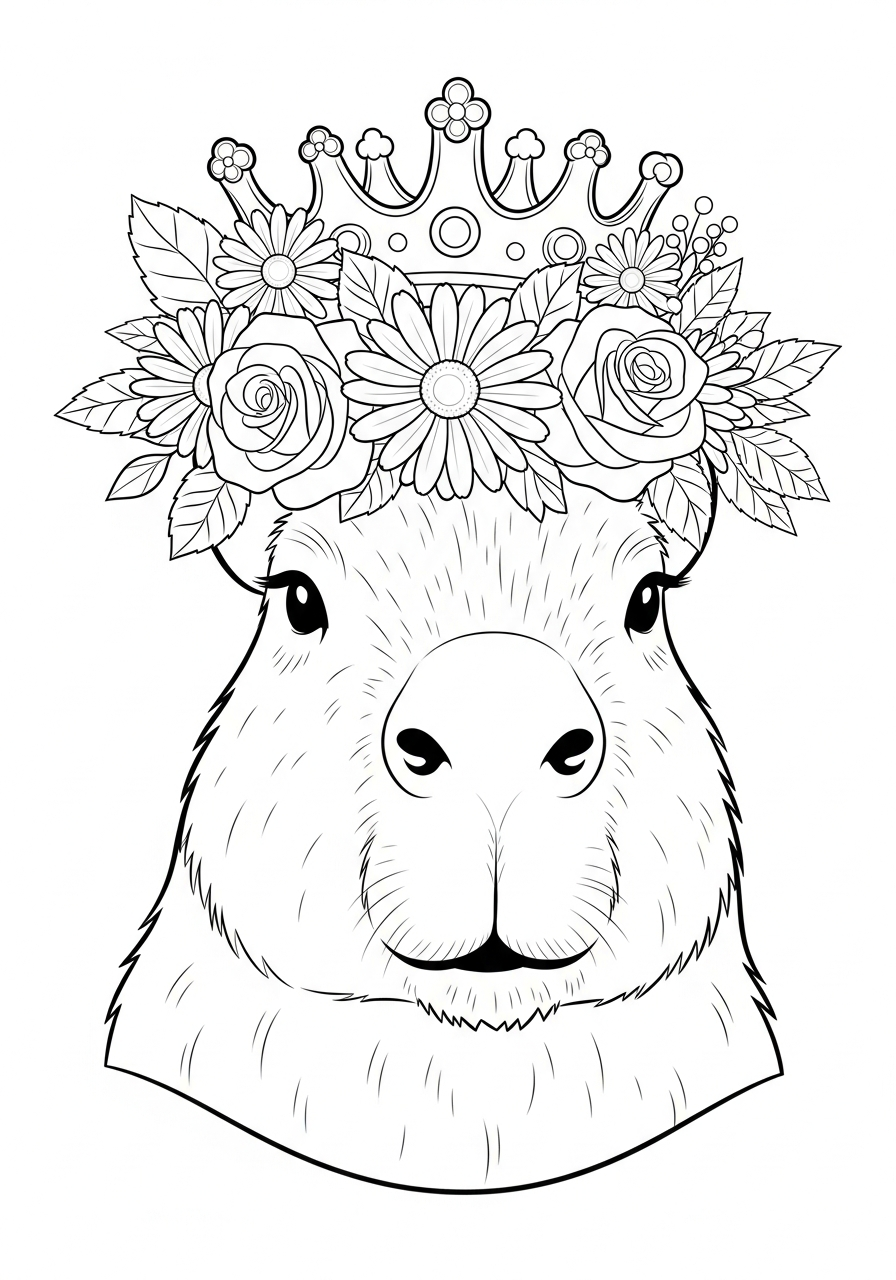
Capybara wearing flower crown
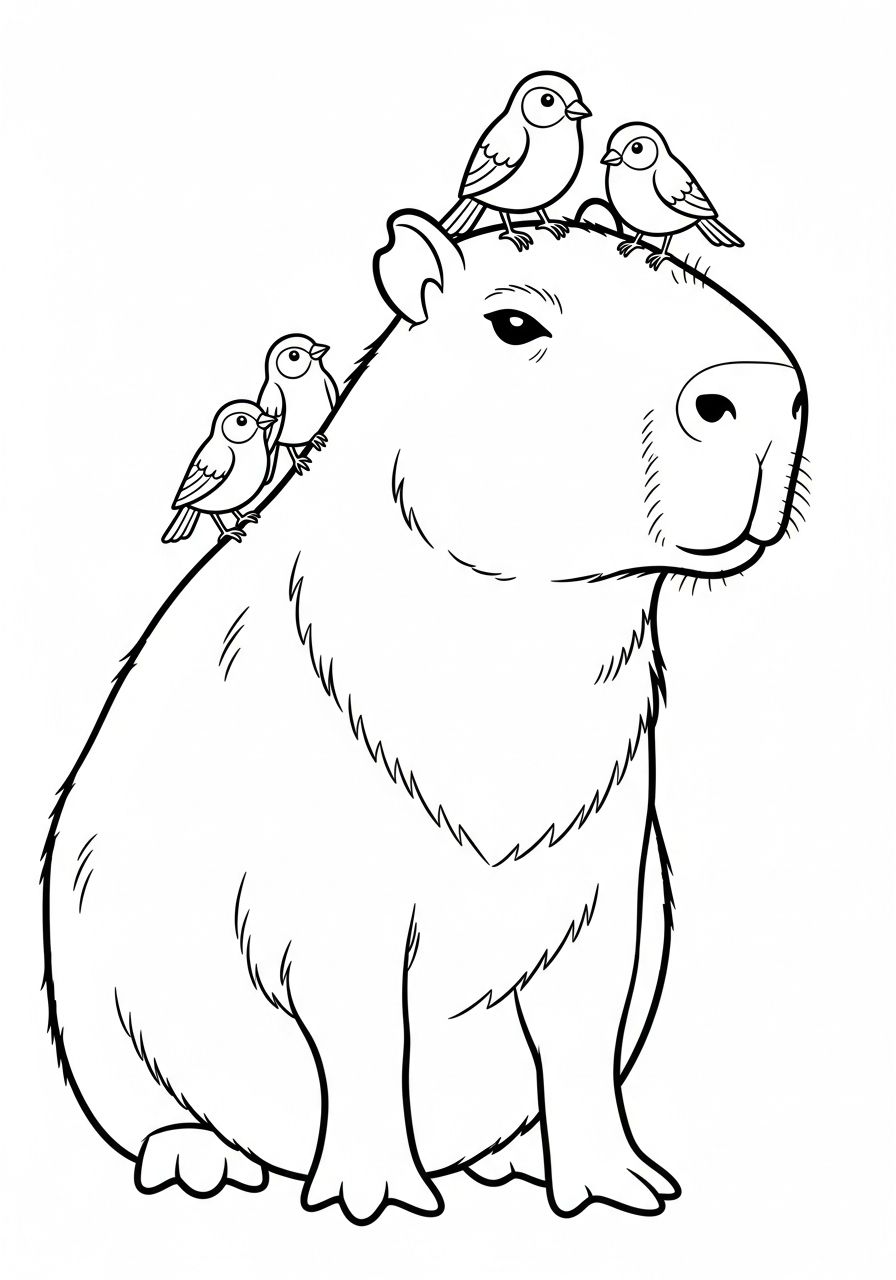
Capybara with birds on back
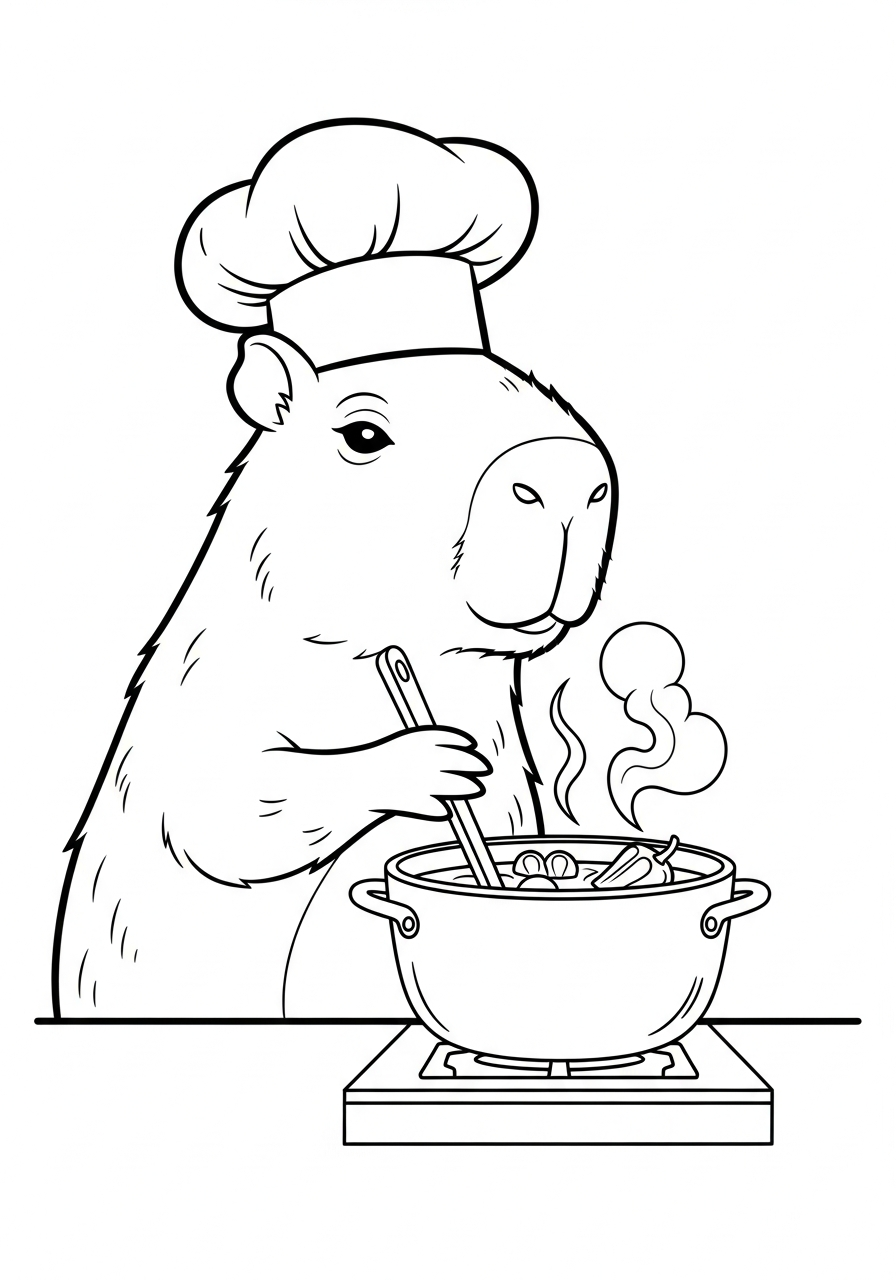
Chef capybara cooking soup
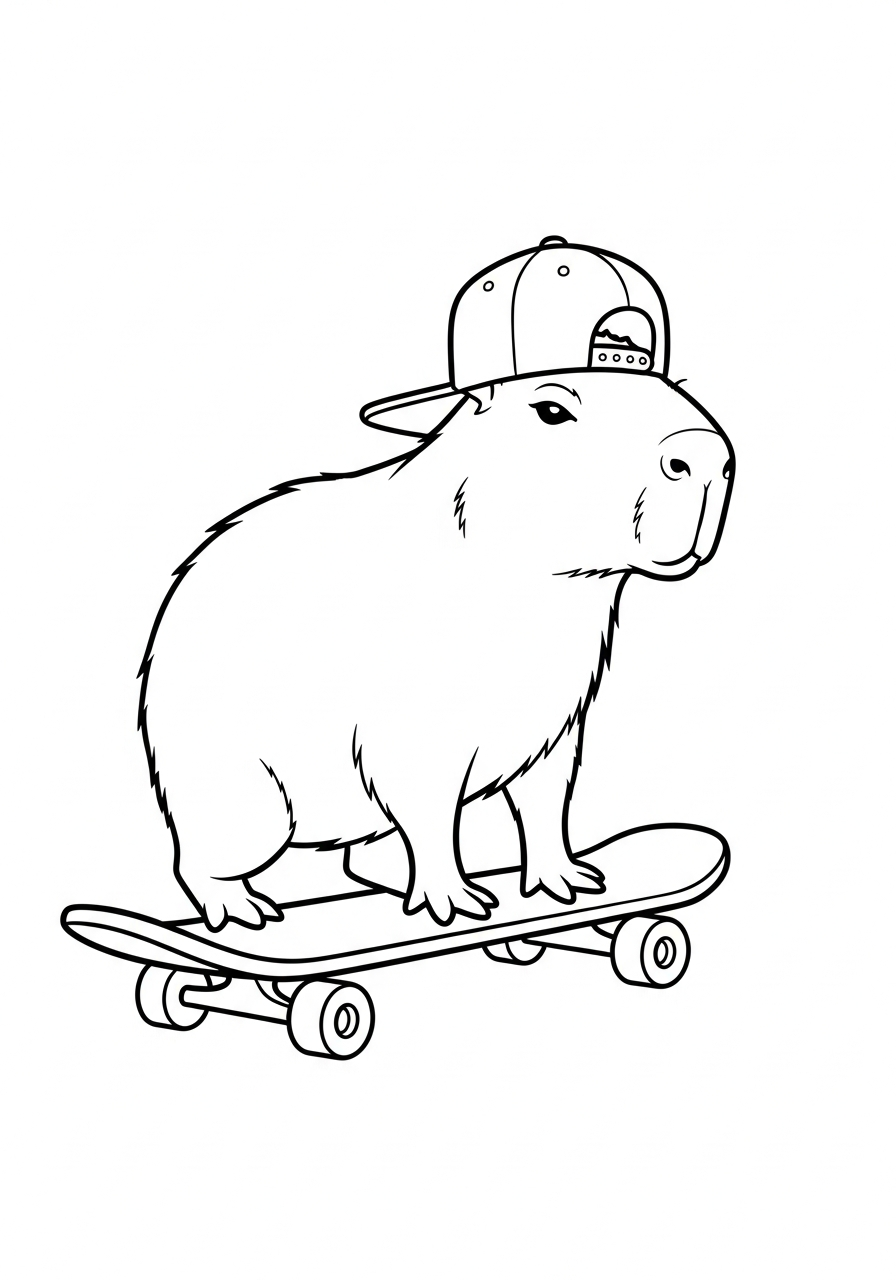
Cool capybara riding skateboard
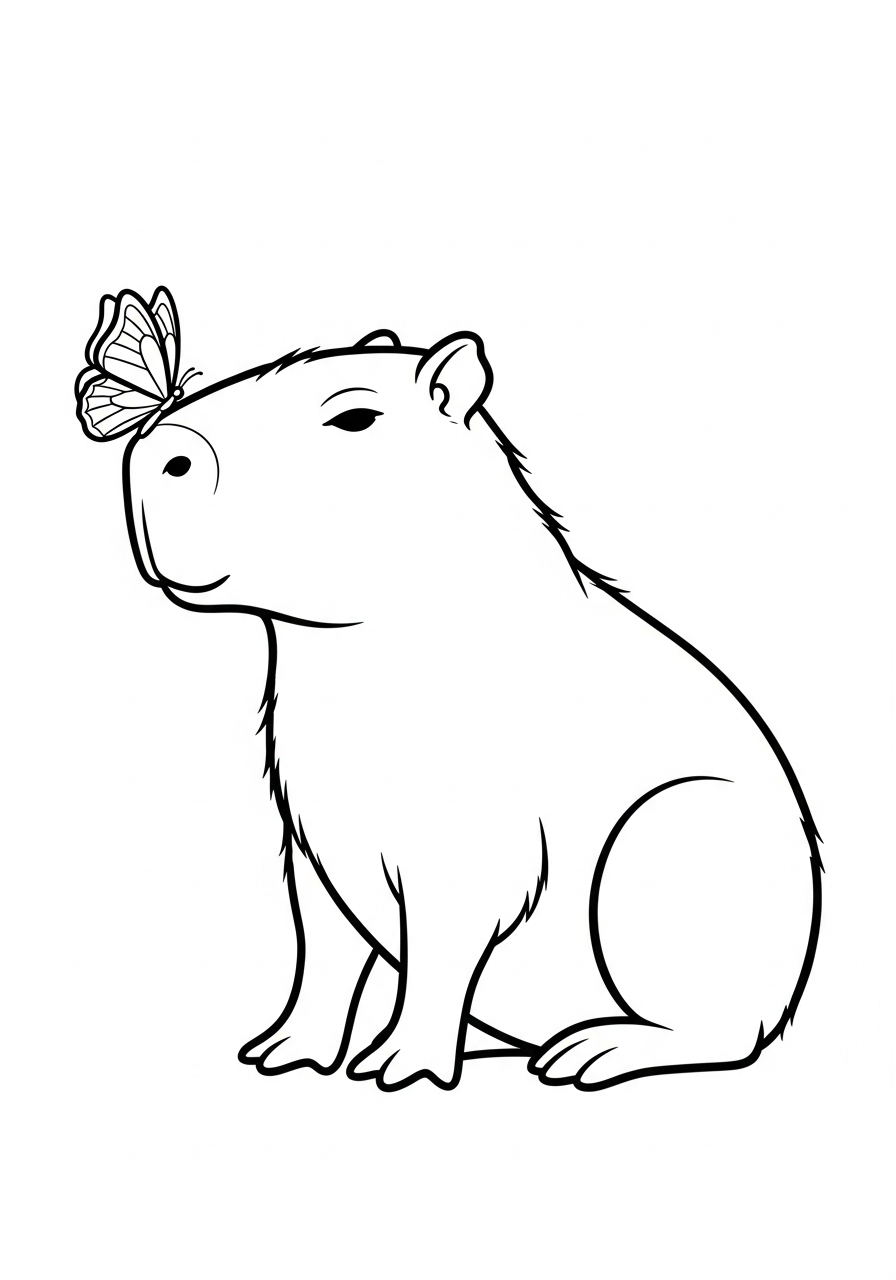
Cute capybara with butterfly
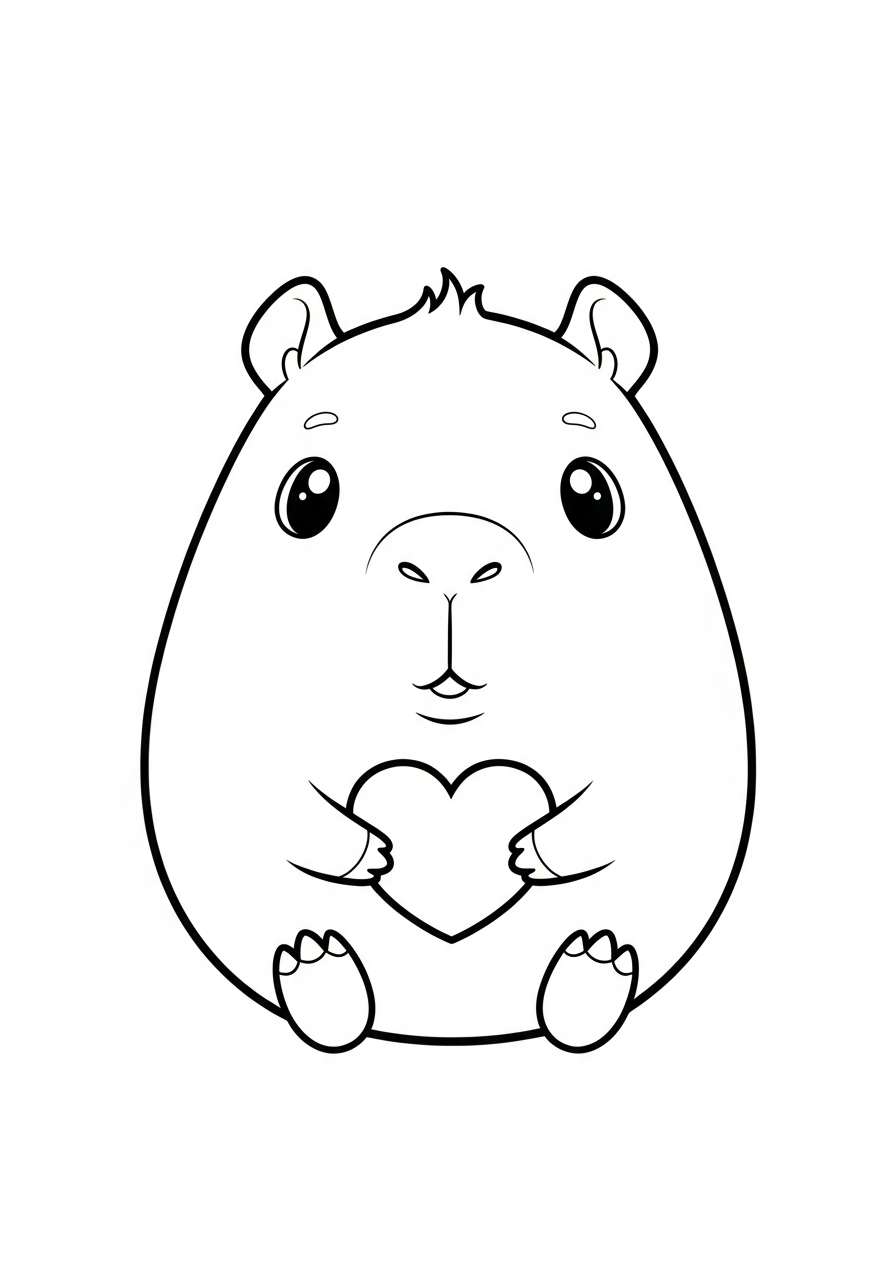
Cute chibi style capybara
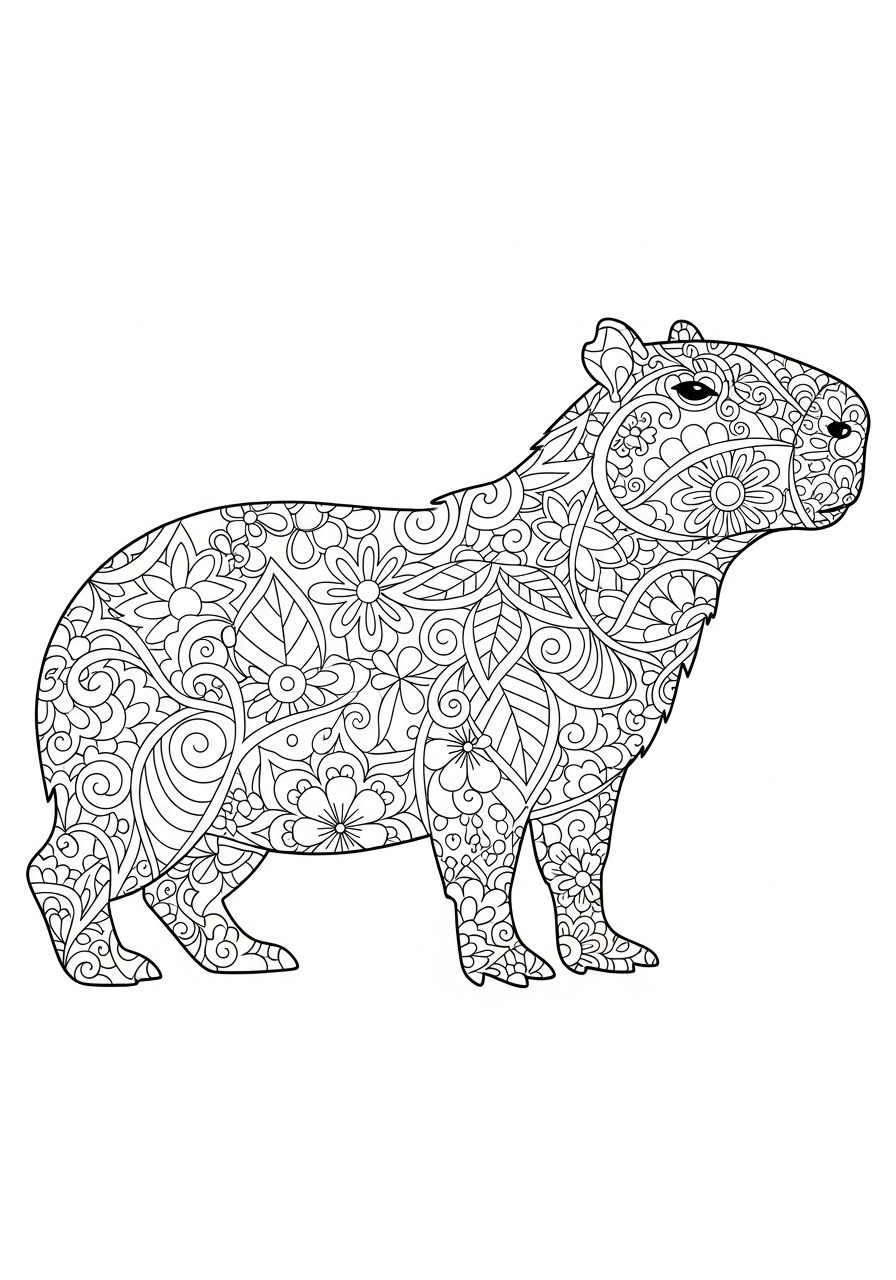
Detailed mandala capybara art
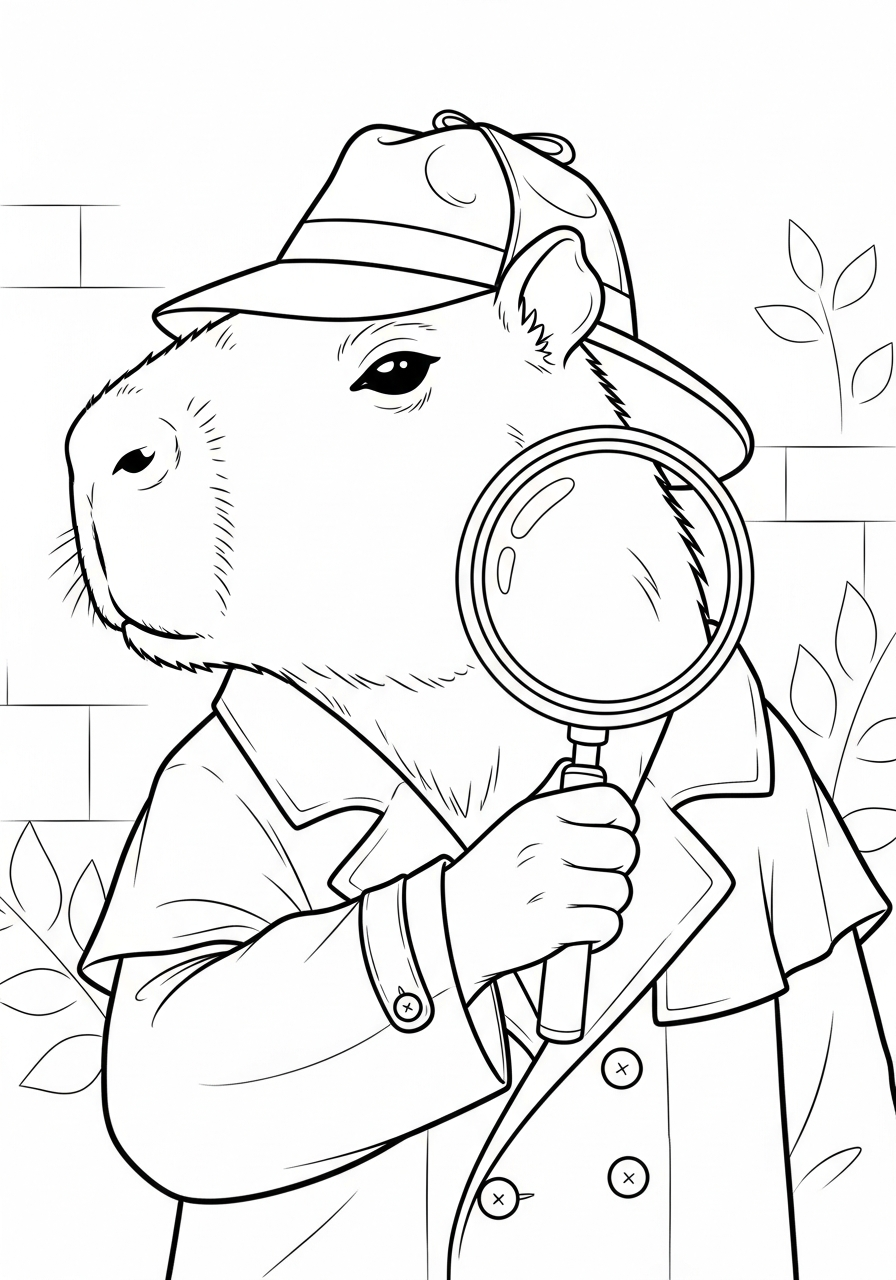
Detective capybara with magnifier
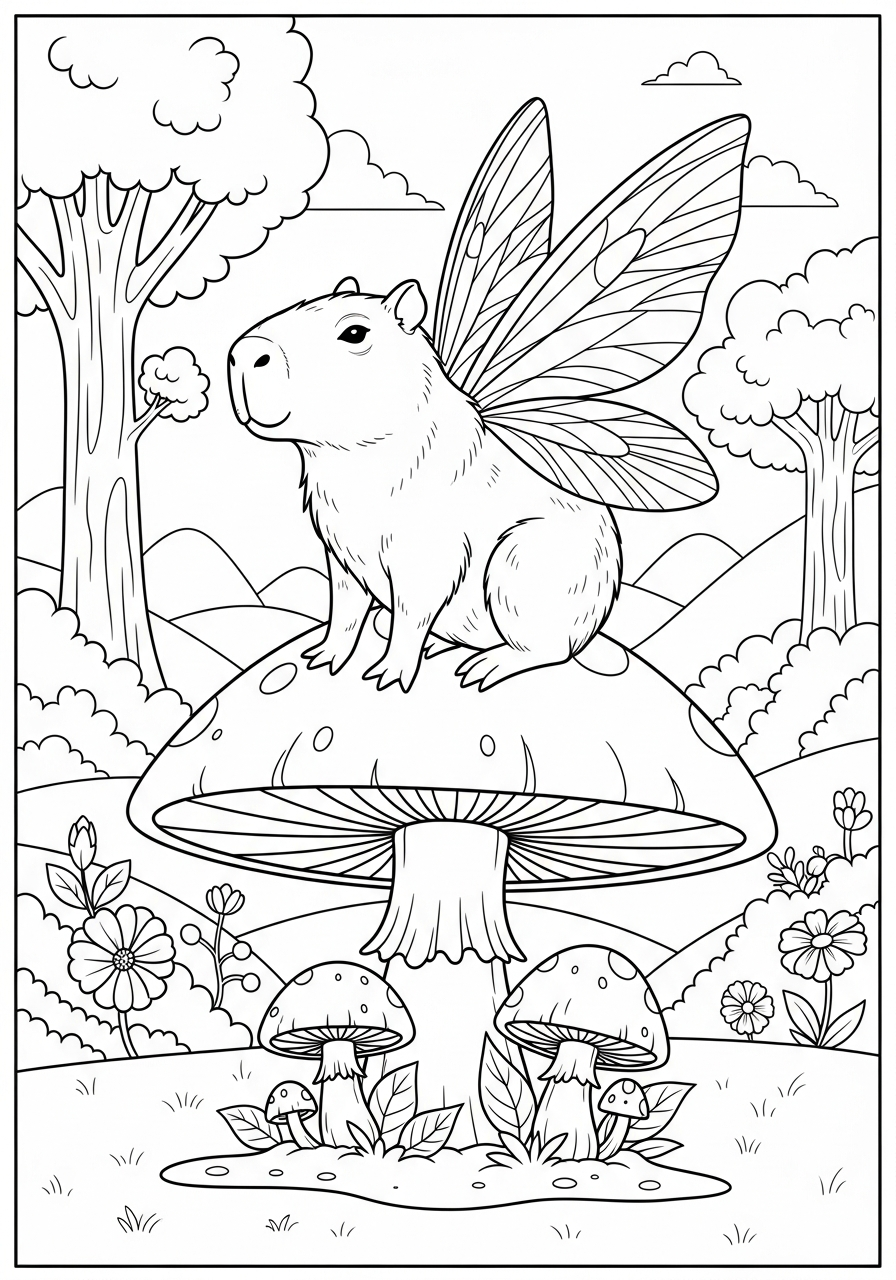
Fairy capybara with wings
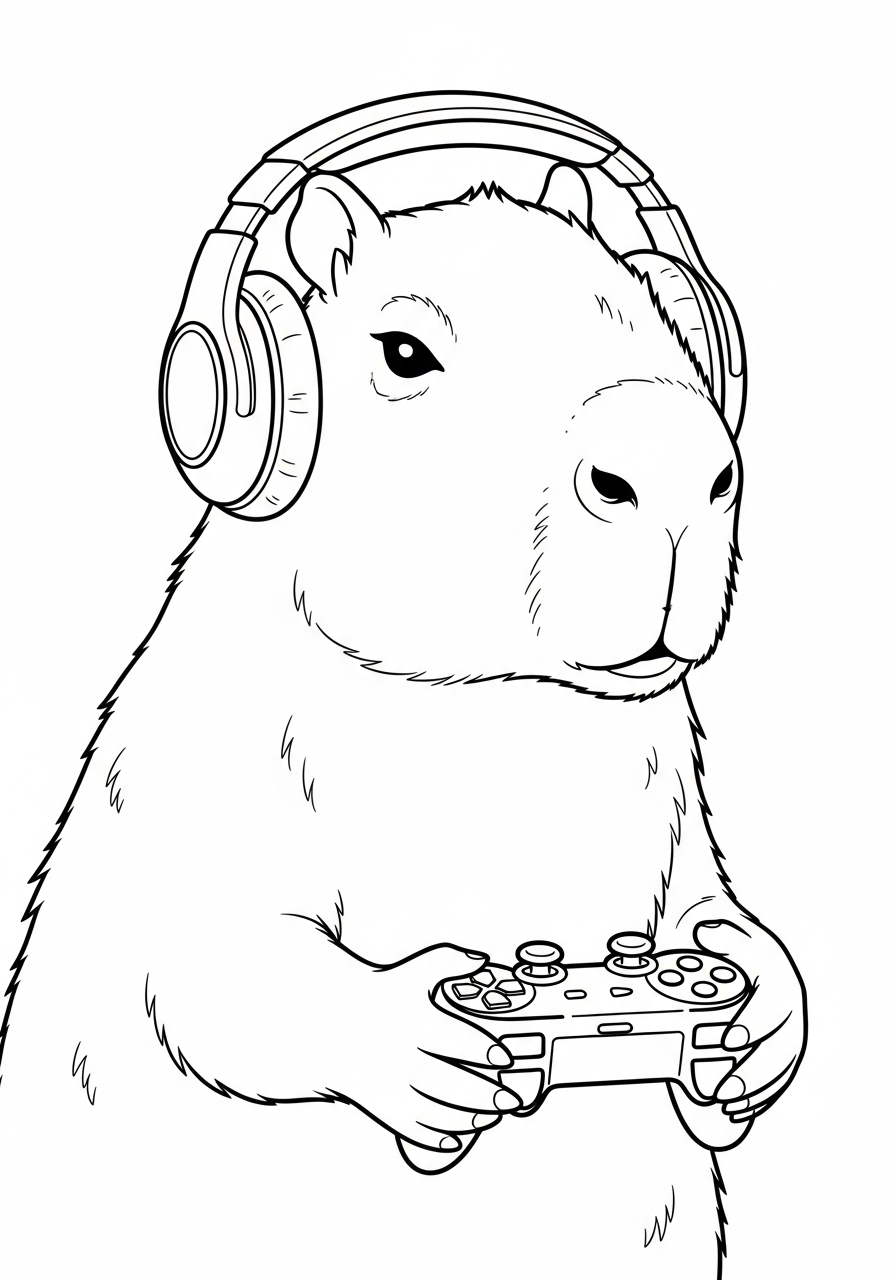
Gamer capybara with controller
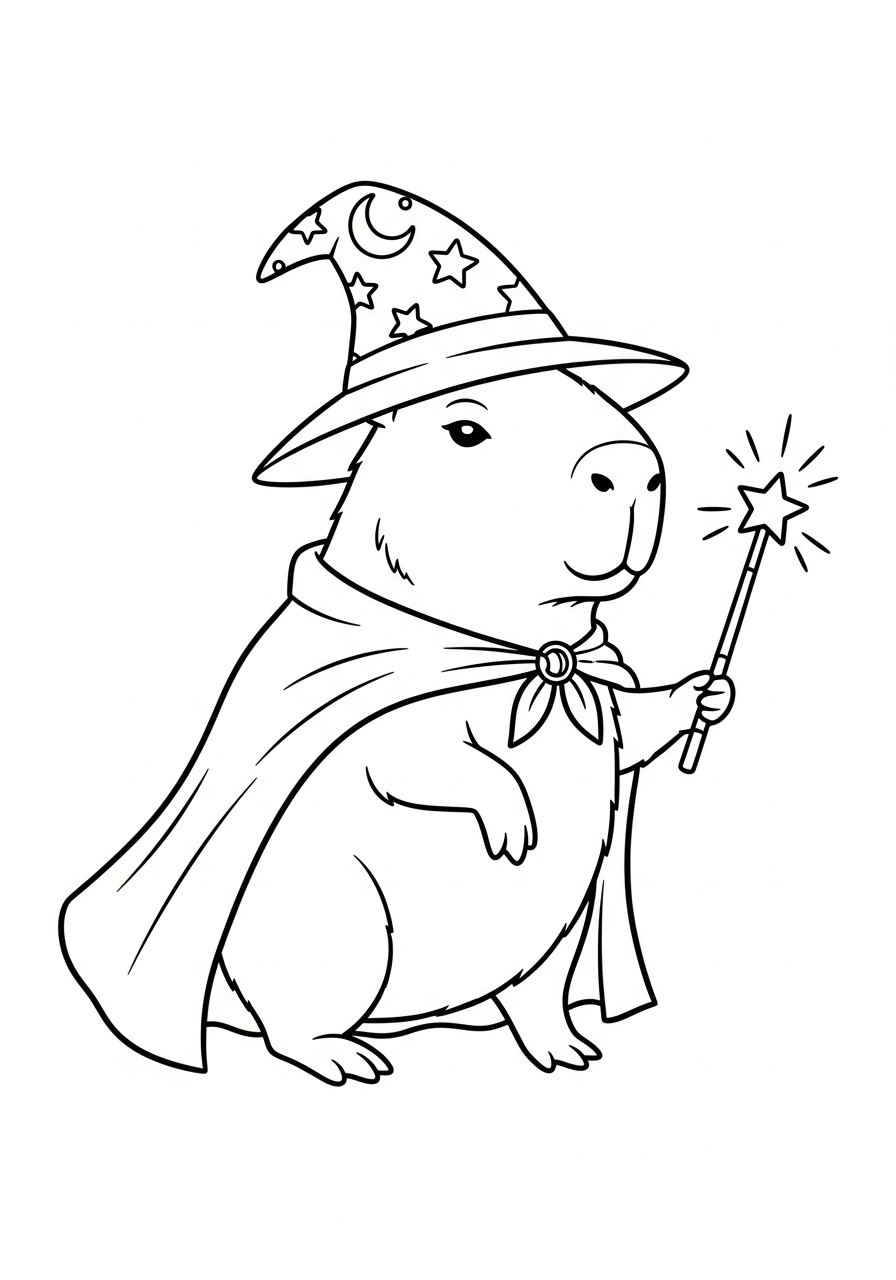
Magical wizard capybara casting
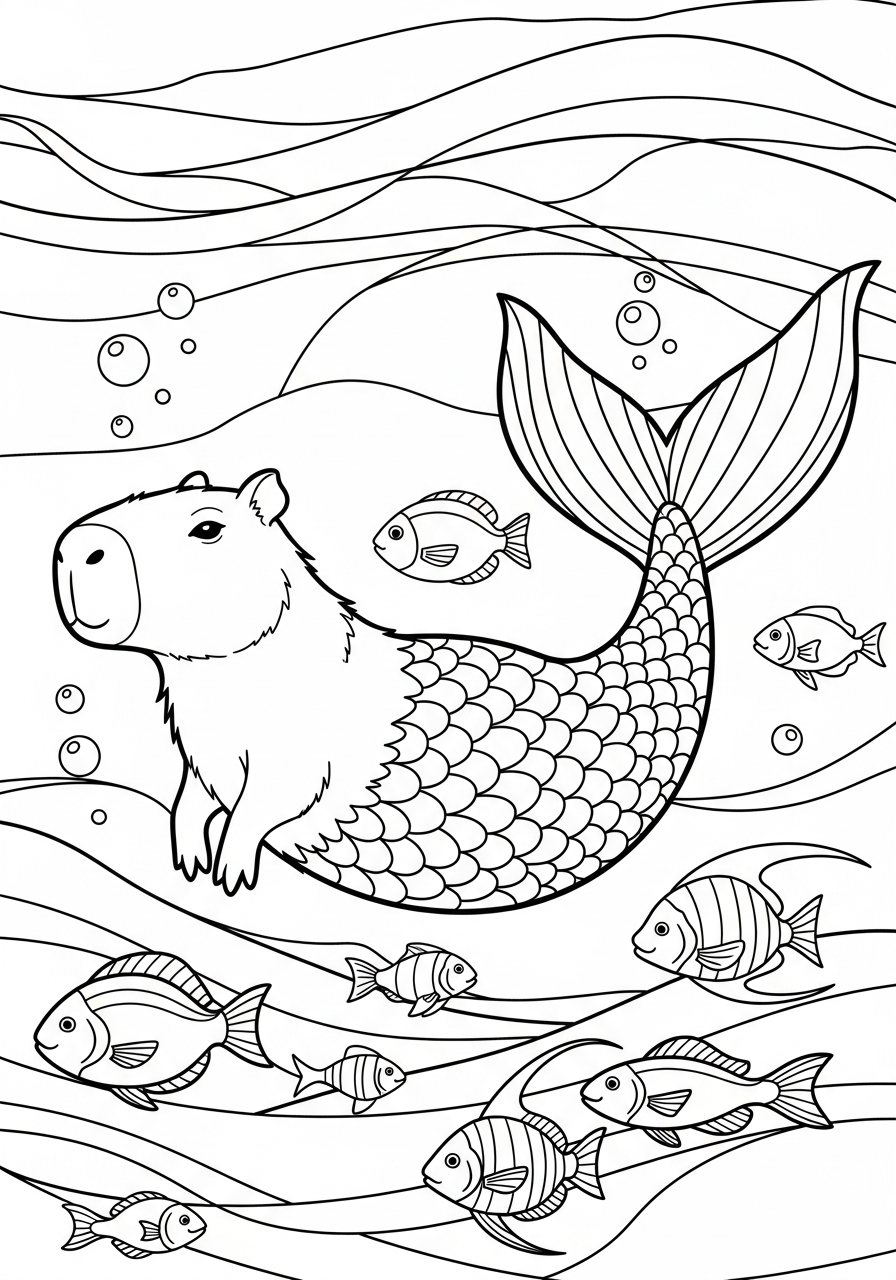
Mermaid capybara swimming underwater
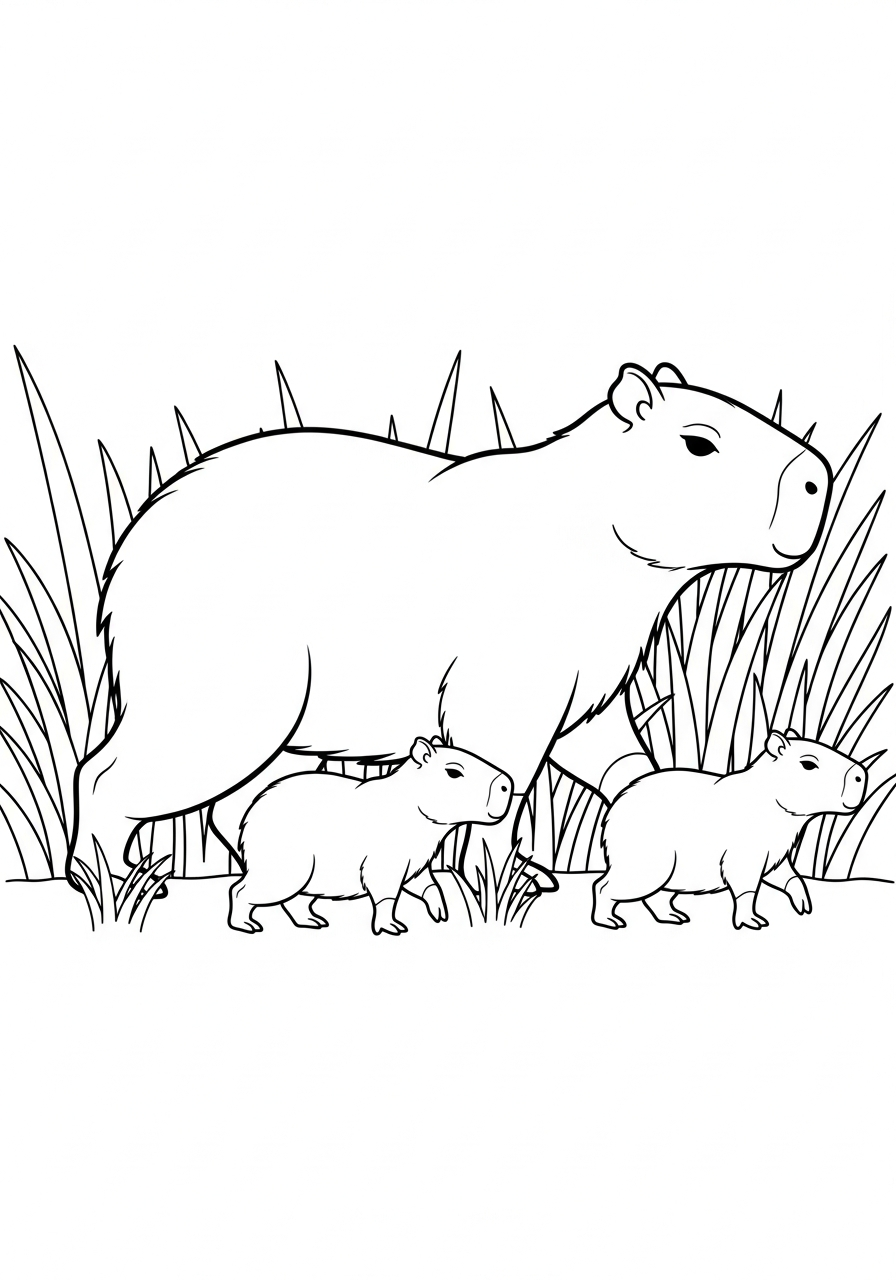
Mother and baby capybara
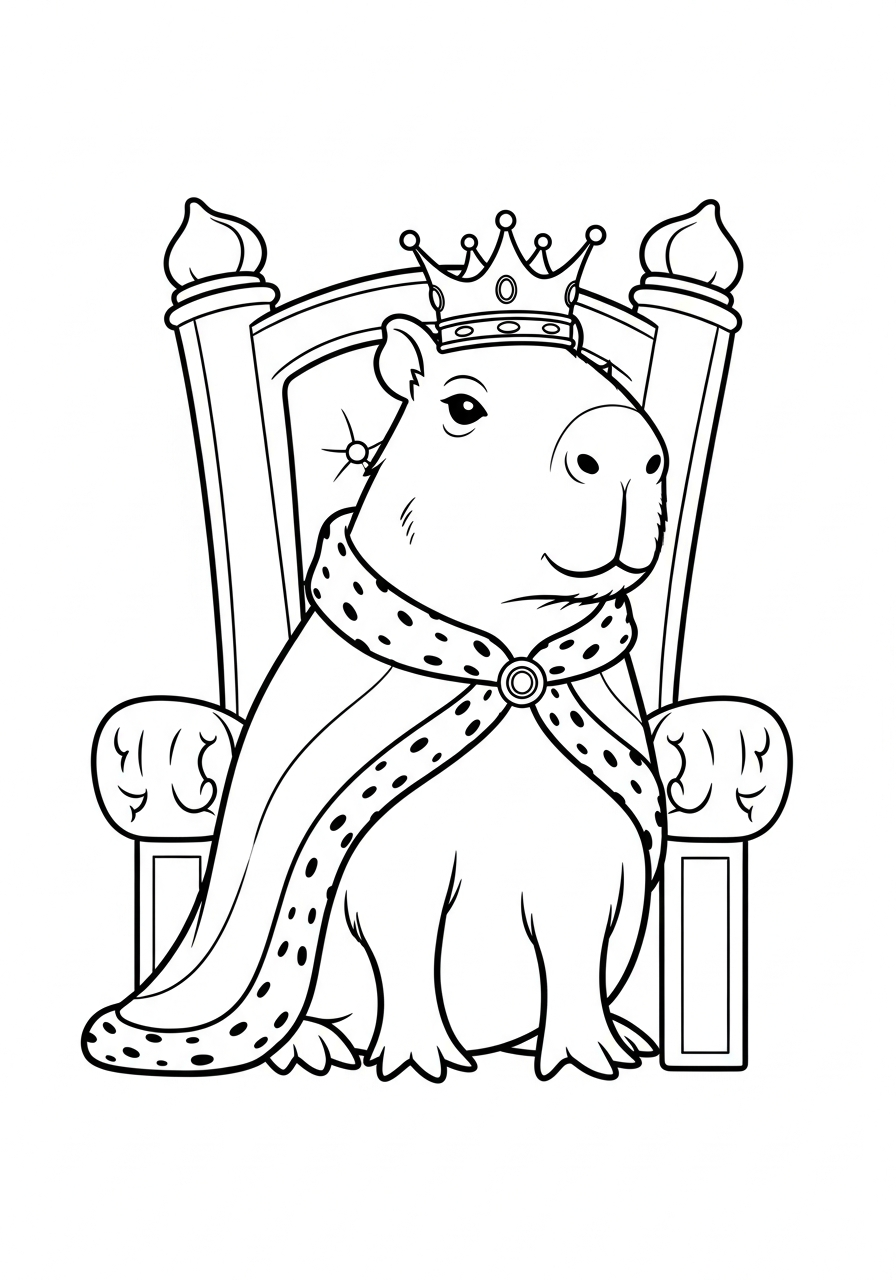
Royal king capybara on throne
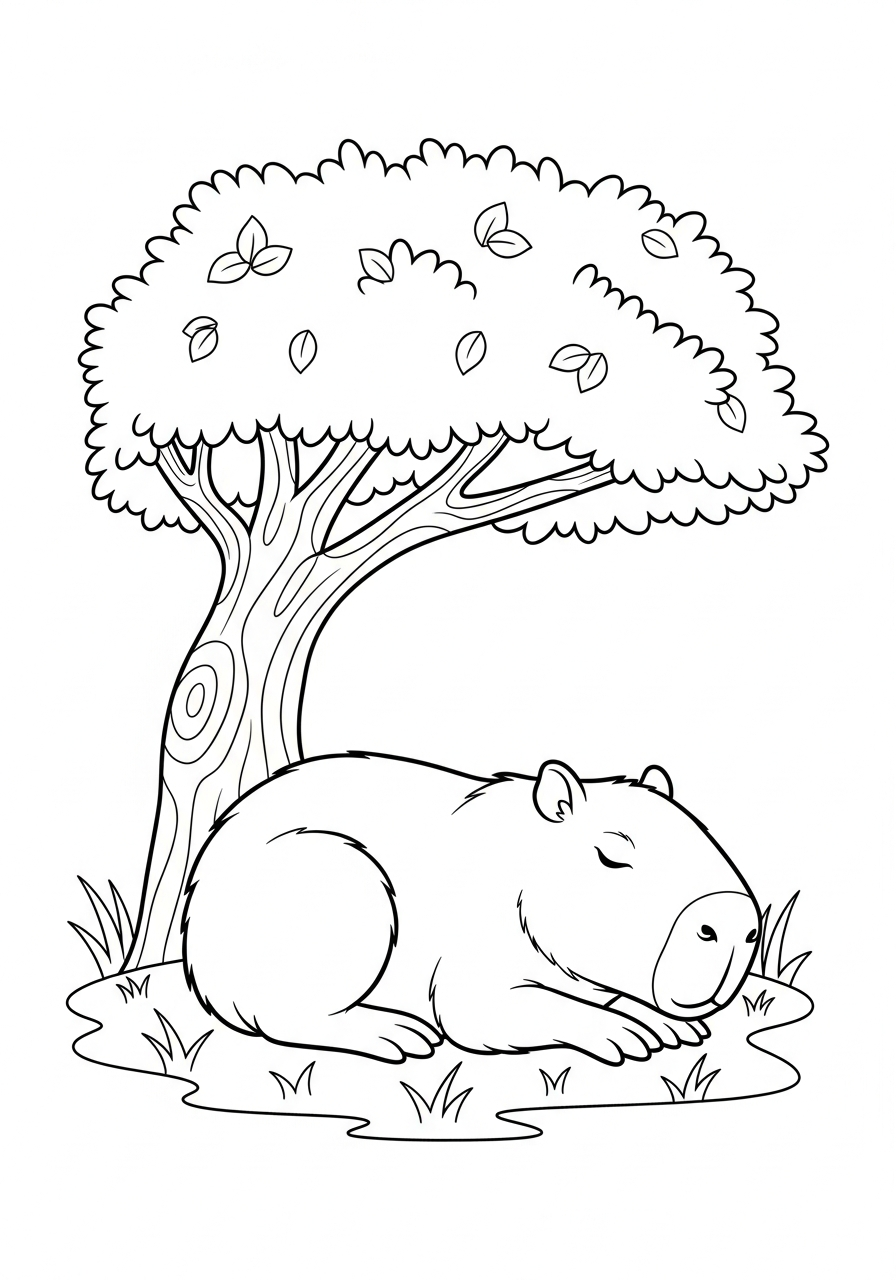
Sleeping capybara under tree
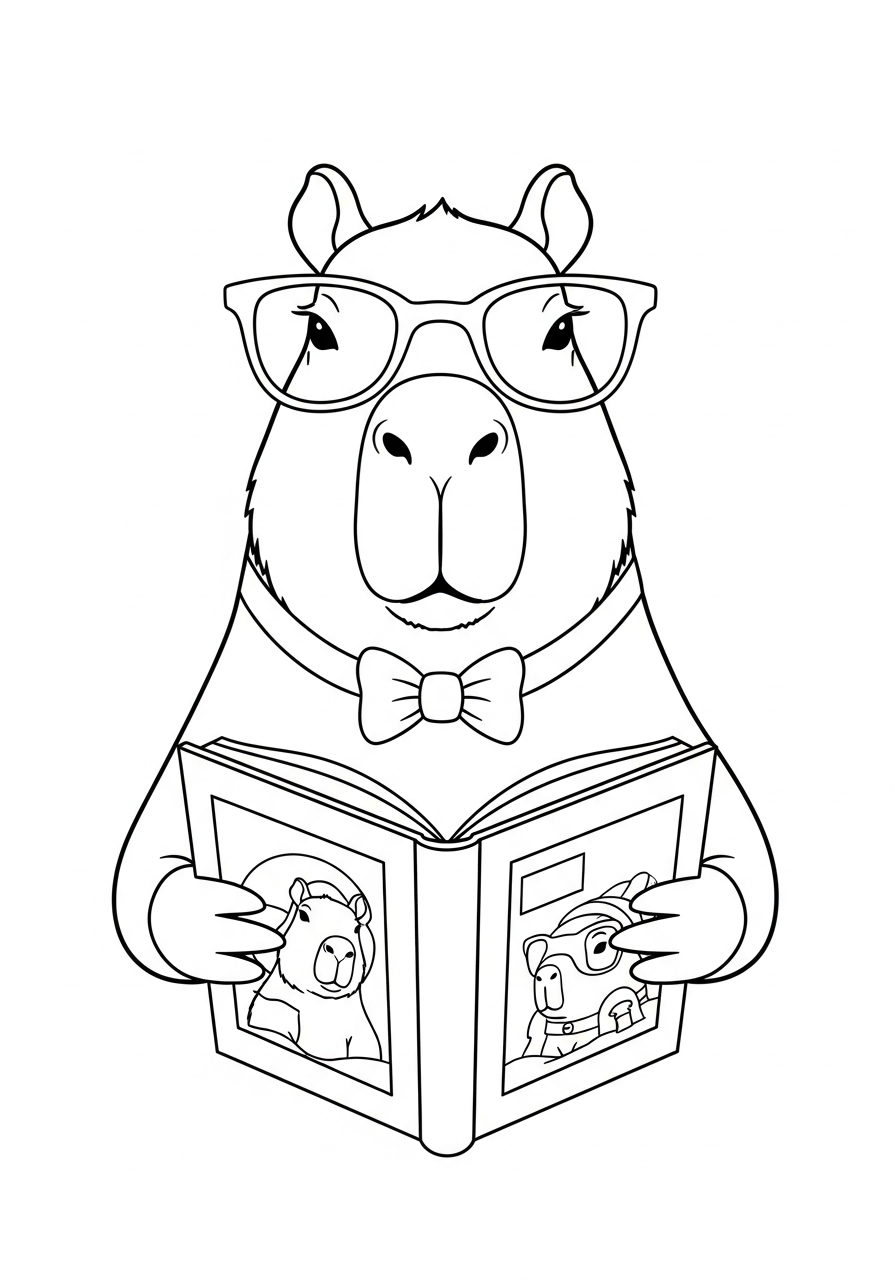
Smart professor capybara reading
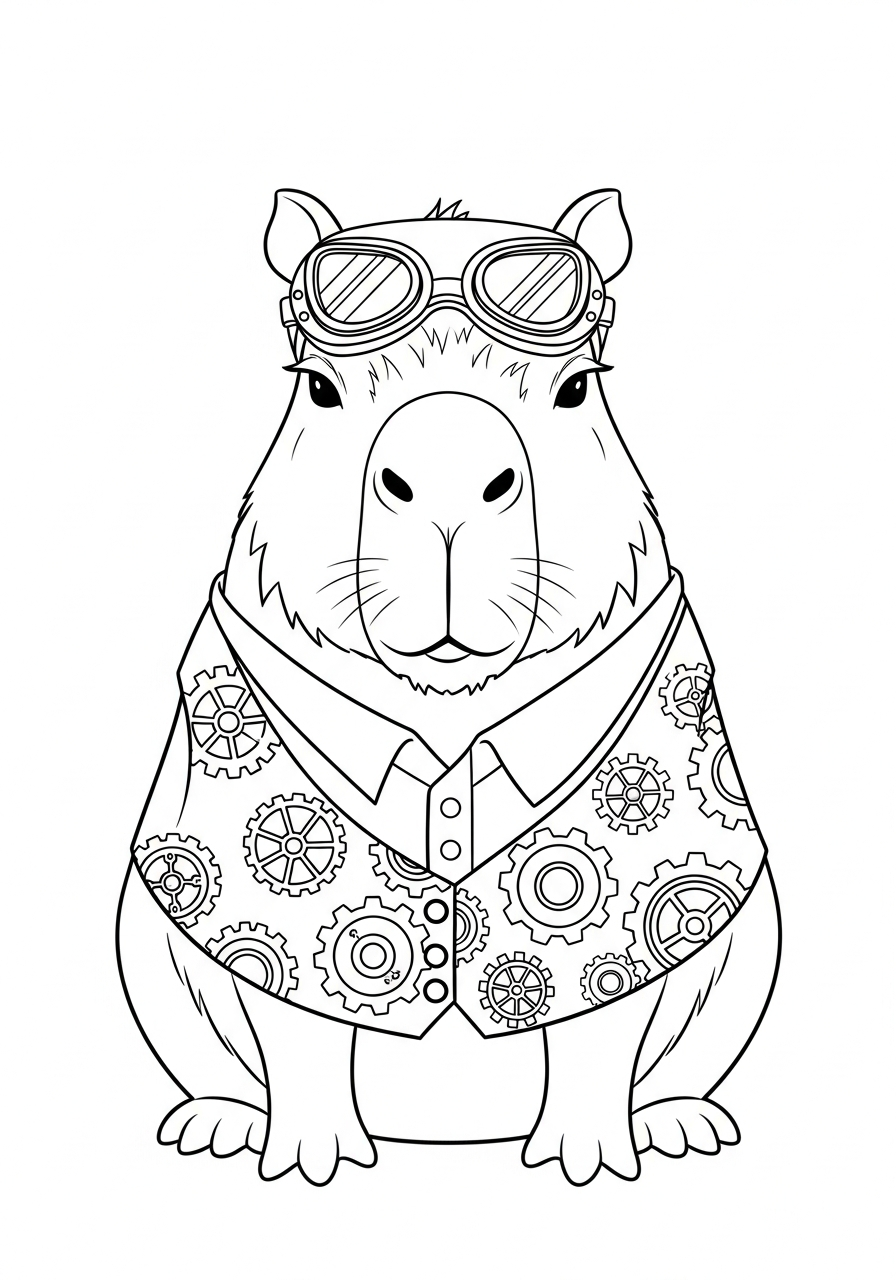
Steampunk style capybara gear
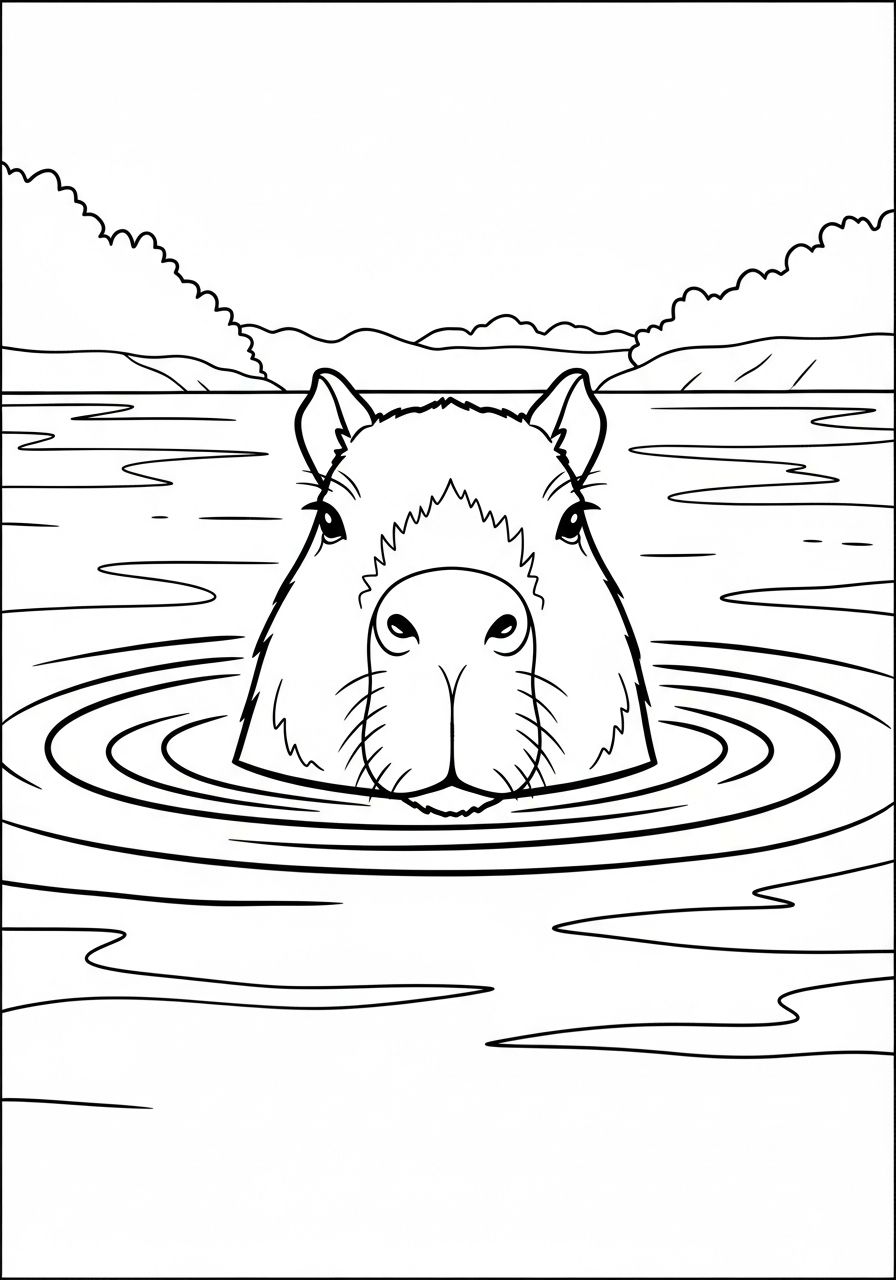
Swimming capybara in river
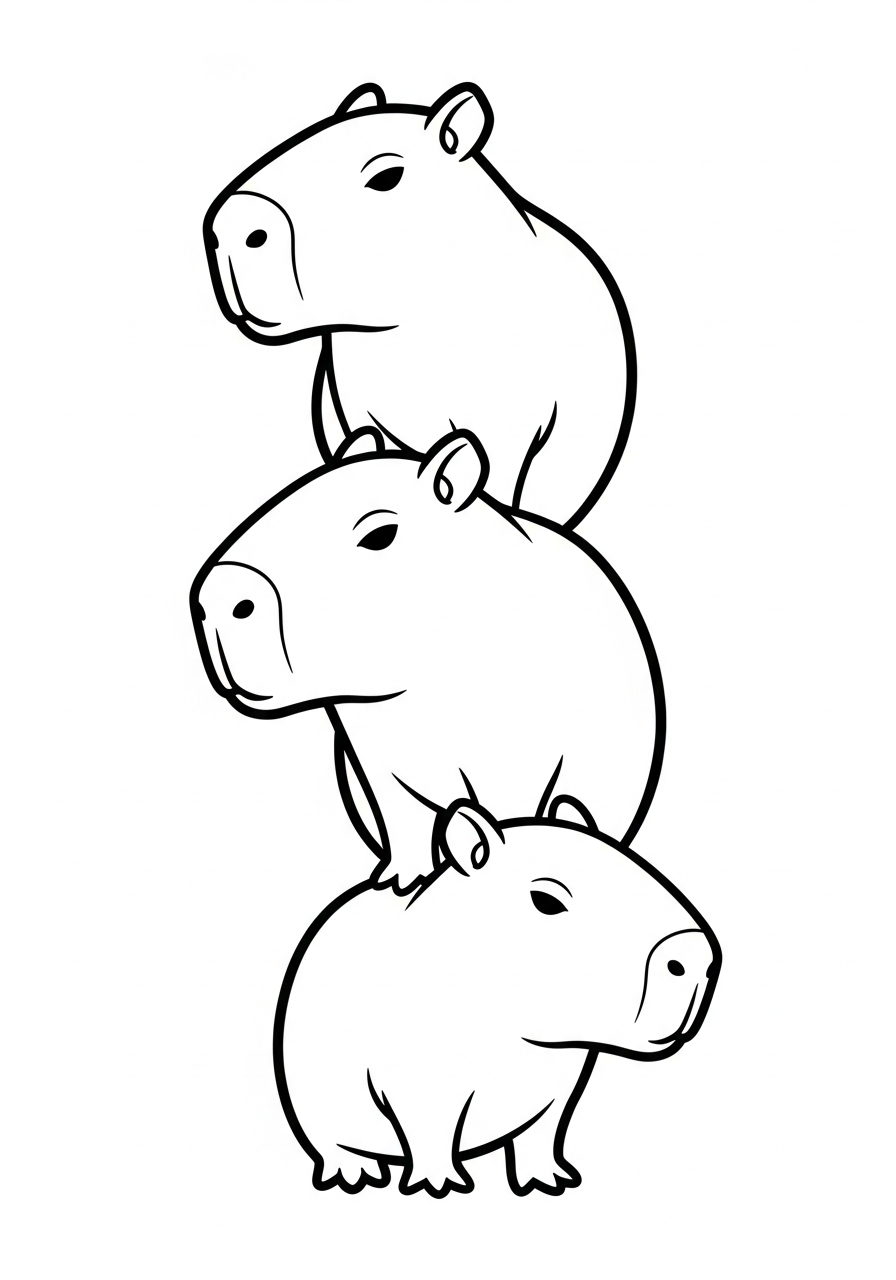
Three stacked funny capybaras
Fun Facts About Capybaras!
The King of Rodents
It might be hard to believe when looking at a tiny mouse, but the capybara is their distant relative and the heavyweight champion of the family! As the world’s largest living rodent, a full-grown capybara is roughly the size of a large dog. When coloring these pages, the artist should keep this scale in mind – these aren’t tiny critters, but sturdy, impressive creatures that command space on the paper.
Built for the Water
Why do capybaras look so comfortable in the river scenes? It is because they are semi-aquatic! Nature has equipped them with webbed feet, turning them into graceful swimmers. They can even hold their breath underwater for up to five minutes to hide from predators or simply to cool off. This creates a wonderful opportunity to experiment with watercolor effects or blue crayons to depict their favorite habitat.
Nature’s Best Friend
Capybaras are famous for being the most social animals in the wild. They are so calm that other animals – including birds, monkeys, and even turtles – often use them as a living furniture! This friendly demeanor makes for delightful coloring scenarios where the artist can add splashes of bright color for the birds perched atop the capybara’s brown fur.
Coloring Tips for Your Capybara Masterpiece
- Mastering the “Wiry” Texture: Capybaras don’t have fluffy fur like a cat; their hair is coarse and thin. To achieve a realistic look, the artist might use short, directional strokes with a colored pencil. Layering different shades of reddish-brown, sand, and dark oak can create depth and suggest that unique, bristly texture against the smooth paper.
- Capturing the “Zen” Expression: The soul of a capybara drawing lies in its eyes. They almost always look sleepy or meditative. When coloring the face, one should use a light touch. Avoid harsh black outlines around the eyes; instead, use dark browns to keep the expression soft, gentle, and peaceful. Will the capybara look sleepy, or is it happily daydreaming?
- Setting the Scene with Contrast: Since capybaras are primarily earth-toned (browns, tans, and greys), they can sometimes blend into a muddy background. To make the subject pop, the artist is encouraged to use vibrant, contrasting colors for the environment. Lush emerald greens for the rainforest grass or sparkling turquoise for the river water will ensure the brown capybara stands out as the star of the artwork.
Download and Keep Exploring!
The journey into the wild doesn’t have to end here. Once the final stroke of brown has been applied to these Capybara Coloring Pages, there is a whole ecosystem waiting to be discovered. Let the creativity flow as freely as the Amazon river!

David Chen is the lead illustrator and the artistic talent behind YoloColoring’s unique library. As our chief creator, David is responsible for designing the vast collection of beautiful, engaging, and high-quality coloring pages that our community loves. His passion for art and detail is evident in every single line he draws.