
We’ve all been there: the sudden meltdown over a broken cracker, the silent withdrawal after a hard day at school, or the bubbling energy that just won’t settle. As parents and educators, navigating these “big emotions” is one of our toughest challenges. We often look for complex solutions, but sometimes, the most effective tool is sitting right in our craft drawer: a simple box of crayons.
At YoloColoring.com, we believe art is more than just a pastime – it’s a bridge to emotional wellness. Research shows that coloring is a powerful way to soothe the nervous system, allowing children to process feelings they don’t yet have the words for.
In this guide, we’ll explore how you can turn printable coloring sheets into therapeutic tools, using specific techniques to help your child find their calm.
Why Coloring Calms the Chaos
Before we dive into the “how-to,” it helps to understand why this works. When a child is overwhelmed, their amygdala (the brain’s “fight or flight” center) is in the driver’s seat. Reasoning with them in this state often fails because their logical brain is temporarily offline.
Coloring helps flip the switch.
- Deactivation of Stress: Focusing on structure and staying within the lines forces the brain to shift attention away from the emotional center and toward the visual and motor cortex. This “attention shifting” physically lowers heart rate and respiration.
- The “Flow” State: The repetitive motion of coloring induces a meditative state known as “flow,” similar to mindfulness meditation. This reduces cortisol (stress hormone) levels and promotes a feeling of safety.
- Containment: Unlike a blank page which can be intimidating, a coloring page provides structure. For a child whose internal world feels chaotic, the black lines offer a safe, contained space to exist.
Decoding the Colors: A Guide for Parents
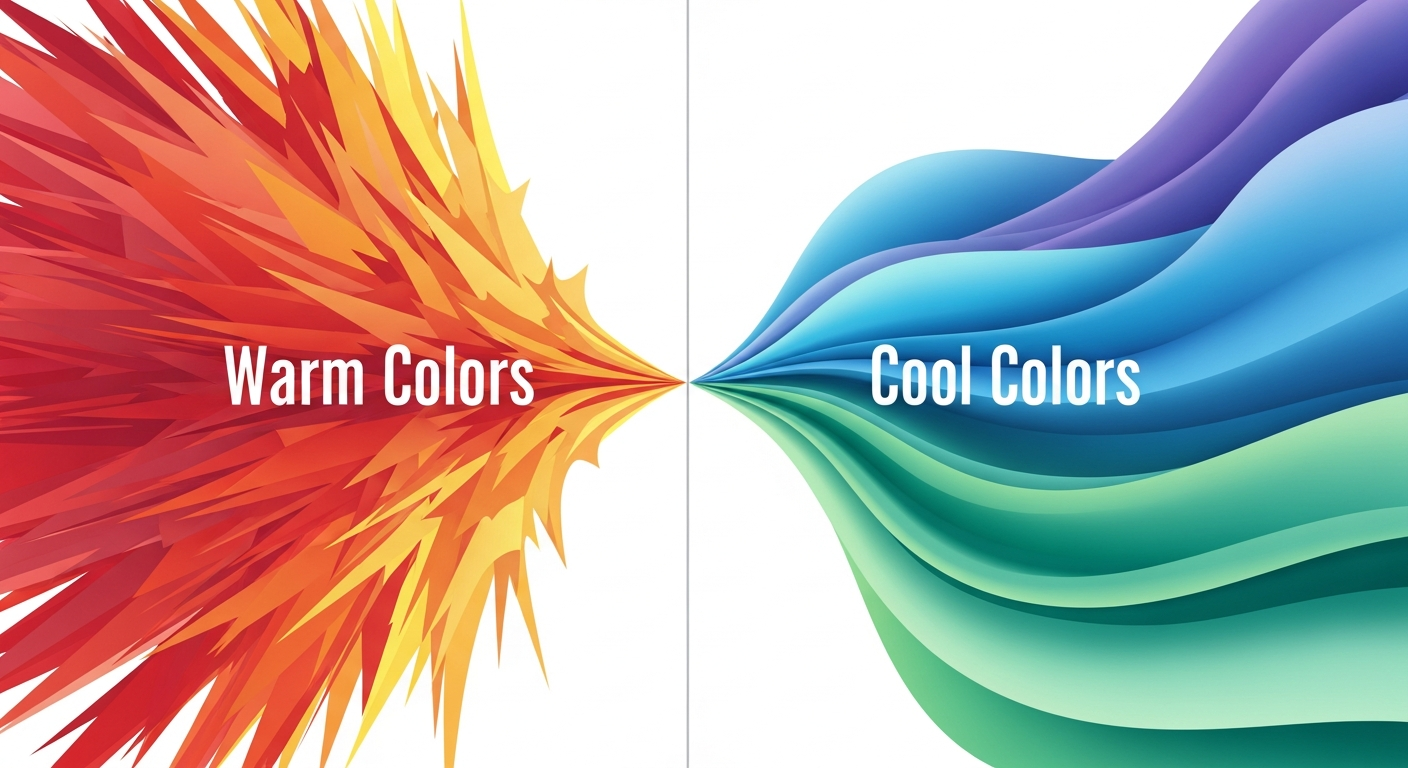
Children often intuitively choose colors that match their mood. By understanding color psychology, you can help them express what’s inside.
Warm Colors: Releasing Energy
Colors like Red, Orange, and Yellow are stimulating. They are linked to energy, passion, but also anger and frustration.
- When to use them: If your child is angry, don’t suppress it. Give them a page with big, bold shapes and let them use red or orange. Encouraging them to press hard (heavy pressure) allows them to physically release that tension.
Cool Colors: Inviting Calm
Colors like Blue, Green, and Purple are receding colors. They are physically soothing to the eye and are linked to nature, peace, and sadness.
- When to use them: If your child is anxious or overstimulated, suggest a palette of cool tones. Coloring a seascape or a forest in greens and blues can help lower their internal “temperature”.
| Color | Emotional Connection | Activity Idea |
| Red | Anger, Strength, Energy | Scribble forcefully to release tension. |
| Blue | Calm, Sadness, Peace | Color water or sky scenes for relaxation. |
| Yellow | Happiness, Anxiety (if too bright) | Create a “sunshine” gratitude list. |
| Green | Balance, Nature, Safety | Color mandalas to feel grounded. |
3 Step-By-Step Coloring Activities for Regulation
Here are three specific ways to use coloring pages to manage different emotional states.
1. The “Worry Monster” (For Anxiety)
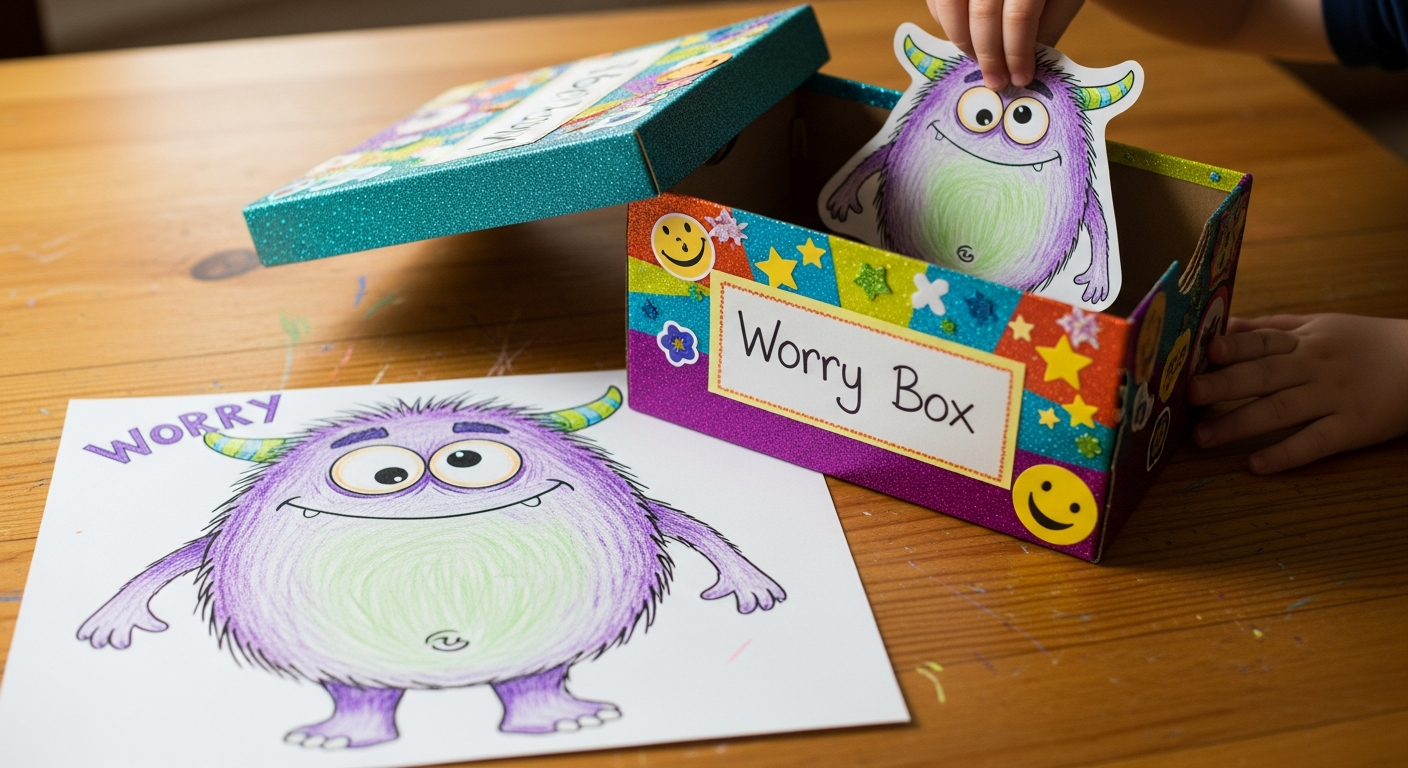
Anxiety often feels like a vague, scary shadow. Giving it a shape makes it manageable.
- Step 1: Download a monster coloring page from YoloColoring.
- Step 2: Ask your child, “If your worry was a monster, what would it look like?”
- Step 3: Have them color the monster. Give it a silly name (like “Grumble-Bumble”).
- Step 4: Once colored, the child can “talk” to the monster or put the drawing in a box to “lock the worry away” for the night.
2. The Body Scan (For Unidentified Feelings)
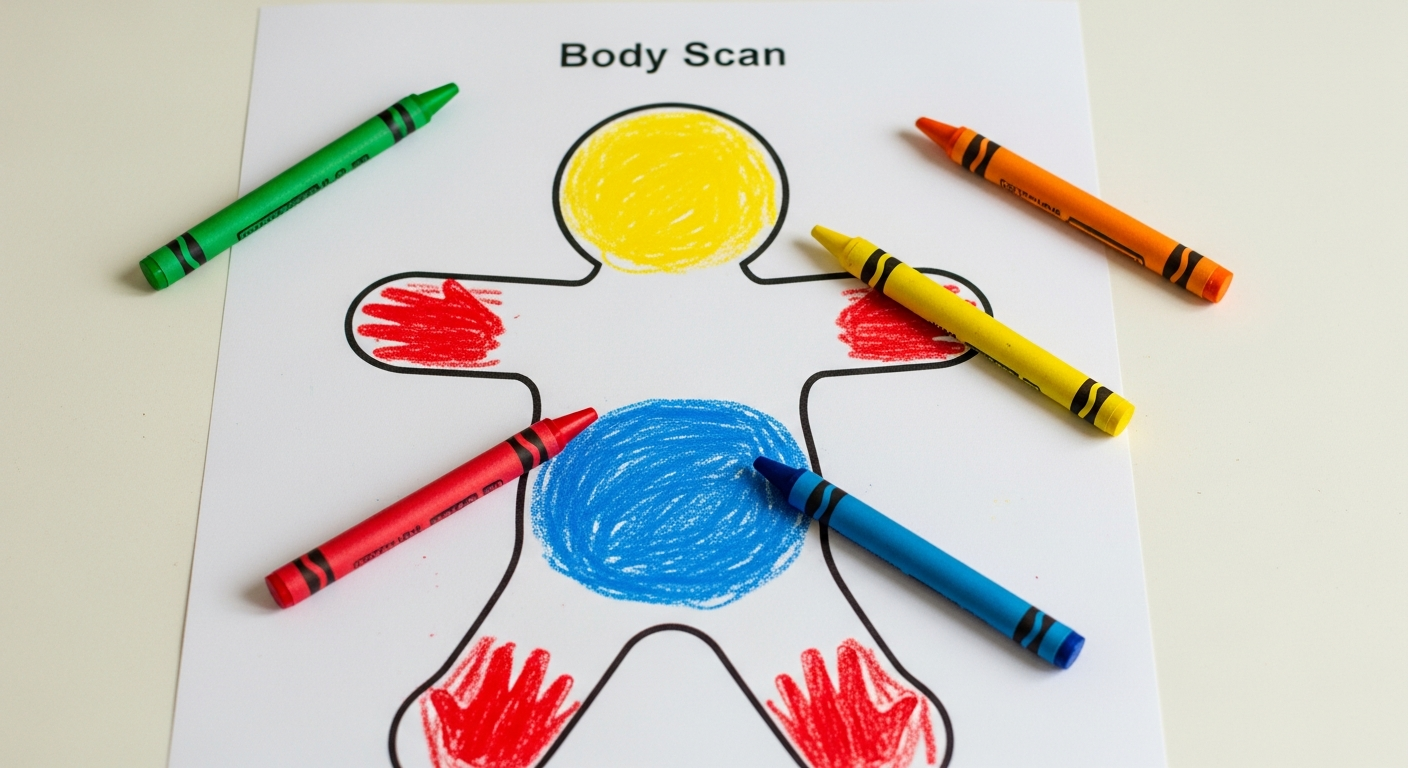
Sometimes kids say “my tummy hurts” when they are actually nervous. This technique connects mind and body.
- Step 1: Use a simple outline of a person or a gingerbread man.
- Step 2: Create a key: Red = Mad, Blue = Sad, Yellow = Scared.
- Step 3: Ask your child, “Where do you feel the mad?” (e.g., hot hands). “Where do you feel the sad?” (e.g., heavy legs).
- Step 4: Have them color those specific body parts on the page.
3. The “Mixed-Up” Jar (For Complex Emotions)
Kids often feel two things at once (e.g., excited for school but missing mom).
- Step 1: Draw a large jar shape or download a jar template.
- Step 2: Assign a color to each feeling.
- Step 3: Ask the child to “fill the jar” to show how much of each feeling is inside.
- Step 4: Teach blending techniques. Show them how Blue (sad) and Yellow (happy) can overlap to make Green. This teaches that it’s okay to have mixed feelings.
Technical Tips: Fine Motor Skills as Therapy
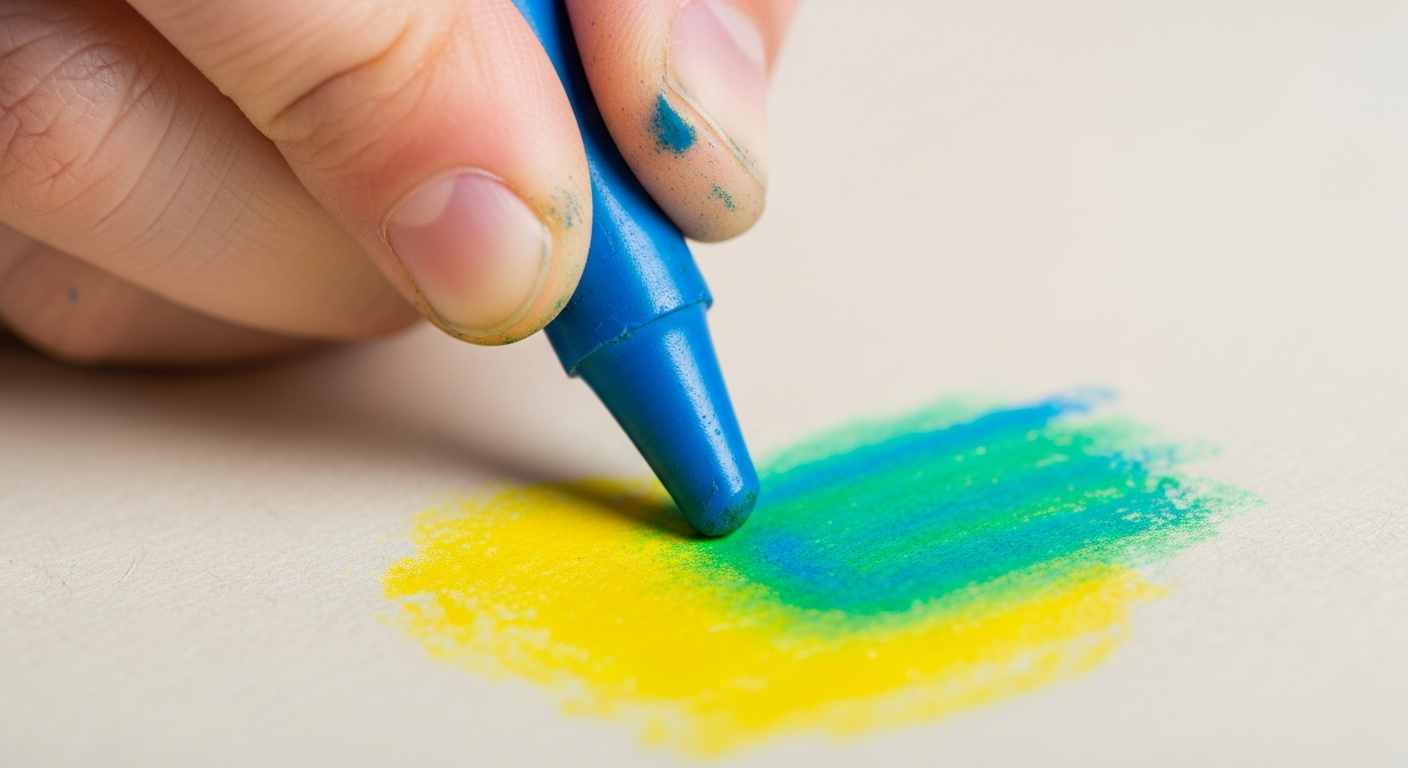
How your child uses their tools matters just as much as the colors they choose.
- Pressure Control: If a child is tense, they may grip the crayon in a fist (fisted grasp). Encourage them to “color like a feather” (light pressure) to help their body relax, or “color like a rock” (heavy pressure) to release anger.
- Blending: Teaching kids to blend two colors together requires focus and patience. It’s a great way to build fine motor skills and distract from spiraling thoughts.
To further extend this focus-building activity, you can learn how to turn coloring pages into custom jigsaw puzzles, adding an extra layer of tactile play and problem-solving.
How to Talk to Your Child While Coloring
The magic happens in the conversation. Instead of saying “Good job,” try asking open-ended questions to encourage emotional intelligence:
- “I see you used a lot of dark colors here. What does that color feel like to you?”
- “If this dragon could talk, what would he say about how he’s feeling?”
- “You are pressing really hard with that red crayon. Does your body feel strong and energetic right now?”
Conclusion
Coloring is a low-stakes, high-impact way to help children navigate the complex waters of emotional regulation. It provides a safe container for feelings that are too big for words. So the next time the “big feelings” hit, don’t panic. Just grab a printable coloring sheet from YoloColoring, sit down with your child, and let the colors do the talking.
Ready to start? Explore our full library of printable coloring pages now and build your child’s calm kit today!
Frequently Asked Questions (FAQ)
1. Can coloring really help with anxiety in children?
Yes. Research indicates that coloring complex patterns, such as mandalas, can significantly reduce state anxiety. It acts as a mindfulness practice, lowering the heart rate and shifting the brain from a stressed state to a “flow” state.
2. What should I do if my child only uses black or dark colors?
Don’t worry immediately. Children often use black for its high contrast or to represent strength and power. However, if this is accompanied by withdrawal or sadness, use it as a conversation starter: “I notice you used a lot of black. What does that color mean in this picture?”.
3. Is it better to use crayons, markers, or colored pencils for therapy?
It depends on the emotion. Crayons and colored pencils offer “resistance” (friction), which provides cognitive control and is better for releasing anger or anxiety. Markers are fluid and low-effort, which is better for relaxation and “letting go” but can be frustrating if a child is a perfectionist.
4. How long should a coloring session last to be effective?
Even 20 minutes of coloring has been shown to improve mood and reduce stress. However, let the child lead – if they only want to color for 5 minutes to reset, that is enough.
5. Where can I find free coloring pages for emotions?
YoloColoring.com offers a wide variety of free, high-quality printable coloring sheets designed specifically for mindfulness, emotional regulation, and creativity.

Sophia Williams is the voice of the YoloColoring community. As our Content Editor, she crafts all the helpful articles, guides, and descriptions you read on the site. She is also our Community Manager, dedicated to connecting with users, celebrating their creations, and fostering a warm, supportive environment for all colorists.